
Reklam




Ana SayfaHome › Hammadde & ÜrünRaw Materials & Products › Ethylene
Ethylene (ethene, C₂H₄) is the highest-volume organic chemical produced in the world and the starting point of the petrochemical chain. A very large share of the products we encounter in daily life—from packaging film to pipe, from antifreeze to detergent—are ethylene derivatives. For this reason, ethylene capacity and margin are considered a direct indicator for a country's chemical industry.
Ethylene is the simplest alkene, carrying a double bond between two carbon atoms. It is a colorless, faintly sweet-smelling, flammable gas that is lighter than air. It owes its chemical value to this double bond: the double bond opens easily and participates in numerous reactions such as polymerization, oxidation, halogenation and alkylation.
Ethylene is also a plant hormone; it triggers the ripening of fruit. In food logistics, the controlled ripening of products such as bananas and tomatoes relies on this property.
Nearly all commercial production is carried out via steam cracking. The feedstock—naphtha, ethane, propane or kerosene—is diluted with steam and passed through furnace tubes heated to 800–850°C in under a second. The long-chain molecules break down, the resulting mixture is rapidly cooled, and it is separated into ethylene, propylene, butadiene and aromatics in successive distillation columns.
The choice of feedstock determines the product distribution:
Emerging routes include methanol-to-olefins (MTO), "bio-ethylene" via ethanol dehydration, and electrically heated cracker furnaces (to reduce carbon emissions). Hydrogen and electrification are the topics shaping the agenda in this field.
| Derivative | Intermediate product | End use |
|---|---|---|
| Polyethylene (HDPE, LDPE, LLDPE) | — | Packaging film, bottles, pipe, cable |
| Ethylene oxide | Ethylene glycol | PET bottles, polyester fiber, antifreeze |
| Ethylene dichloride | Vinyl chloride (VCM) | PVC pipe, profile, membrane |
| Ethylbenzene | Styrene | Polystyrene, ABS, composite resin |
| Alpha-olefins | Linear alcohols | Detergent, lubricant additive |
| Vinyl acetate | EVA, PVA | Adhesive, solar panel encapsulant |
Roughly two-thirds of total ethylene goes into polyethylene; the remainder is distributed among the intermediate products above.
In Turkey, ethylene production is carried out through Petkim's naphtha cracker in Aliağa; the country is a net importer of polyethylene and other derivatives. This structure directly ties the raw material cost of the domestic plastics processing industry to international ethylene and naphtha prices.
Topics the sector is following include: the cracker margin (the price gap between naphtha and ethylene), capacity investments, the impact of the Carbon Border Adjustment Mechanism on exports, and chemical recycling efforts to produce monomers again from waste plastic. You can find current news on ethylene prices and the supply-demand balance below.
| Property | Value |
|---|---|
| Formula / molecular weight | C₂H₄ / 28.05 g/mol |
| Boiling point | approximately −104°C |
| Critical temperature | approximately 9°C |
| Density relative to air | 0.97 (slightly lighter than air) |
| Flammability range (in air) | wide; approximately 2.7–36% by volume |
| Appearance | Colorless gas, faintly sweet odor |
A critical temperature of around 9°C means that ethylene cannot be liquefied by pressure alone at room temperature—this is why storage is cryogenic. The wide flammability range and low ignition energy make sealing, ventilation and ignition source control decisive factors in plant design. For polymerization quality, the purity of ethylene (keeping catalyst poisons such as acetylene, oxygen and sulfur compounds at ppm levels) is a critical quality parameter.
Because it is the organic chemical with the highest production volume and the common starting point for numerous value chains. Products as different from one another as polyethylene, PVC, PET and polystyrene are all derived from ethylene. For this reason, ethylene capacity is a fundamental indicator of the scale of a country's chemical industry.
An ethane cracker produces almost exclusively ethylene and has low operating costs; it is advantageous in regions with cheap natural gas liquids. A naphtha cracker yields less ethylene but also produces propylene, butadiene and aromatics. If demand for these by-products is high, a naphtha cracker can be more profitable overall.
Bio-ethylene is produced through the dehydration of bioethanol. As a molecule, it is exactly identical to fossil-based ethylene; there is no difference in product performance. The only difference is in carbon footprint, which is documented through certification. Its cost is currently higher than the fossil route.
Ethylene is a gas at room temperature and has a low critical temperature; therefore it is liquefied at around −104°C and stored in cryogenic tanks. Specialized ethylene carriers are used for long-distance transport. This difficulty is the main reason why cracker facilities are usually built right next to derivative plants.
They are different substances. Ethylene is an alkene (C₂H₄), while ethanol is an alcohol (C₂H₅OH). There is an industrial link between them: ethylene can be converted to ethanol through hydration, and ethanol can be converted to ethylene through dehydration. Which direction is economical depends on regional feedstock prices.
The processing of shellfish in the fishing industry, insect protein production, and mushroom cultivation give rise to w…

GracoRoberts, which supplies specialty chemicals and advanced composite materials for the aerospace and defense industr…
Dardanel has introduced its new Tuna Steak product, made from 100% tuna fillet, to consumers. Notable for its high prot…
ASAŞ, which shapes the sector with innovative solutions it develops in the field of aluminum systems, brings together a…

The footwear industry accounts for a significant share of global polymer consumption and is among the sectors most resp…
OCI and Prefere Resins are contributing to the decarbonization process through a partnership that offers a low-carbon a…
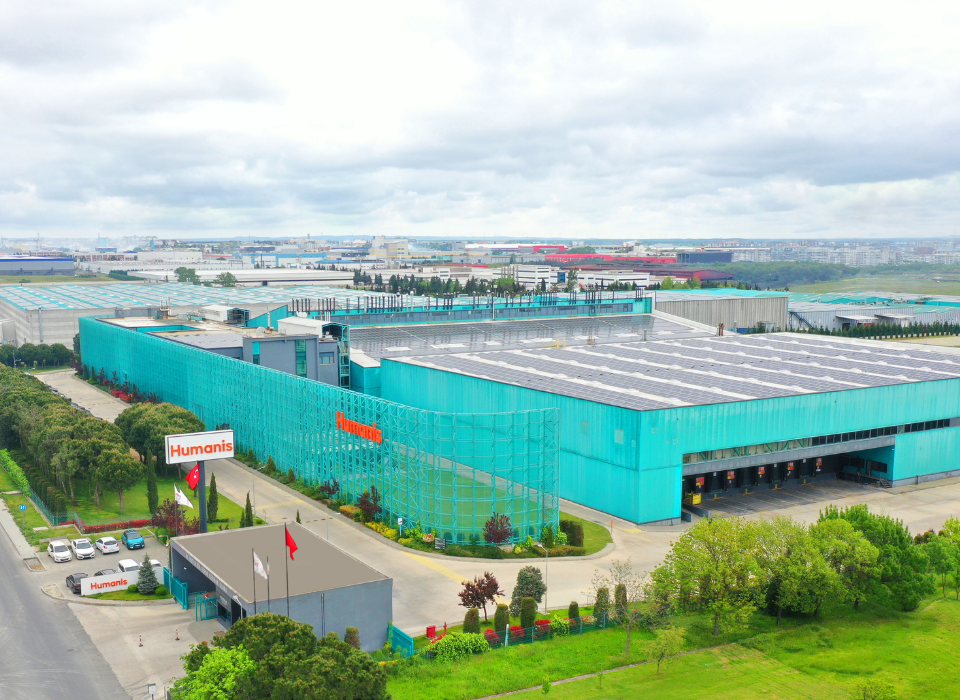
Humanis, which started production in 2013 and operates under Saya Holding, continues to grow with a target of USD 250 m…
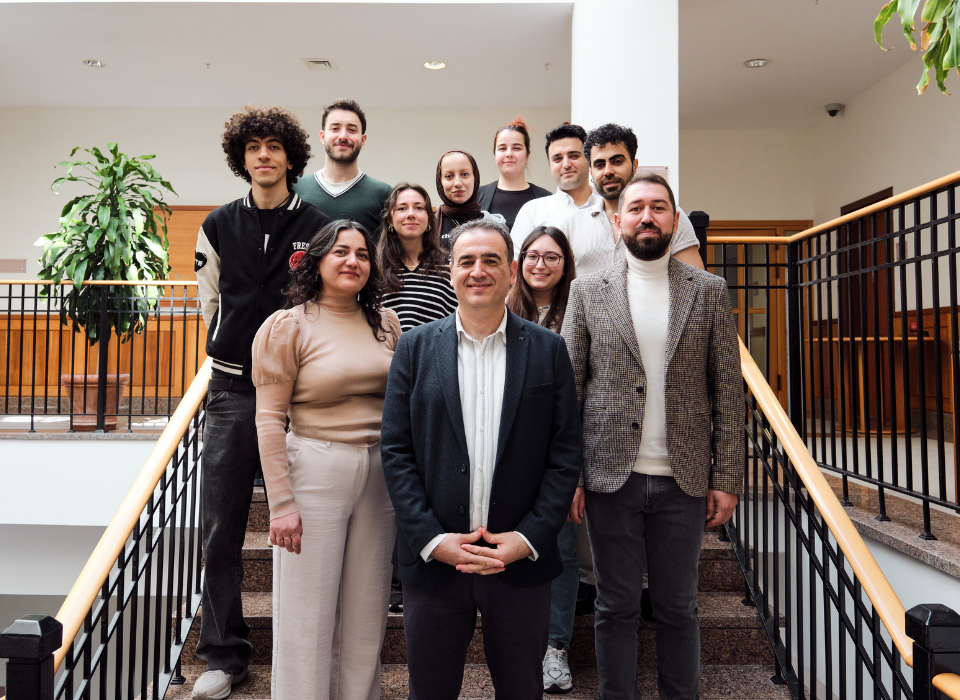
Researchers at Koç University have succeeded in producing light-sensitive polymeric materials using an eco-friendly, lo…
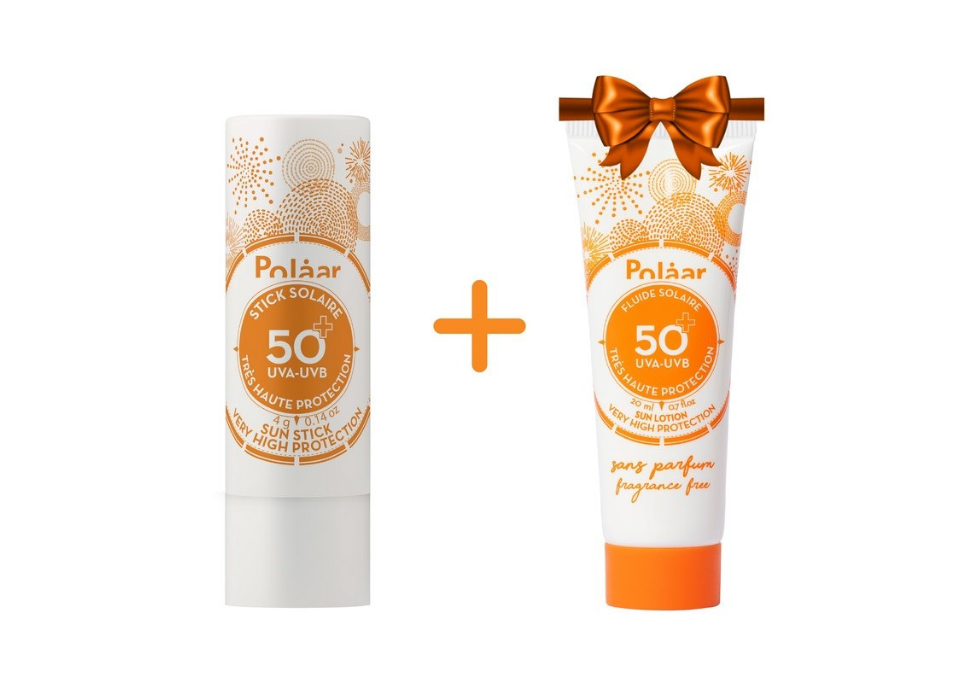
Polaar combines high sun protection with a practical user experience in its limited-edition Sunscreen Kit SPF50+. The k…
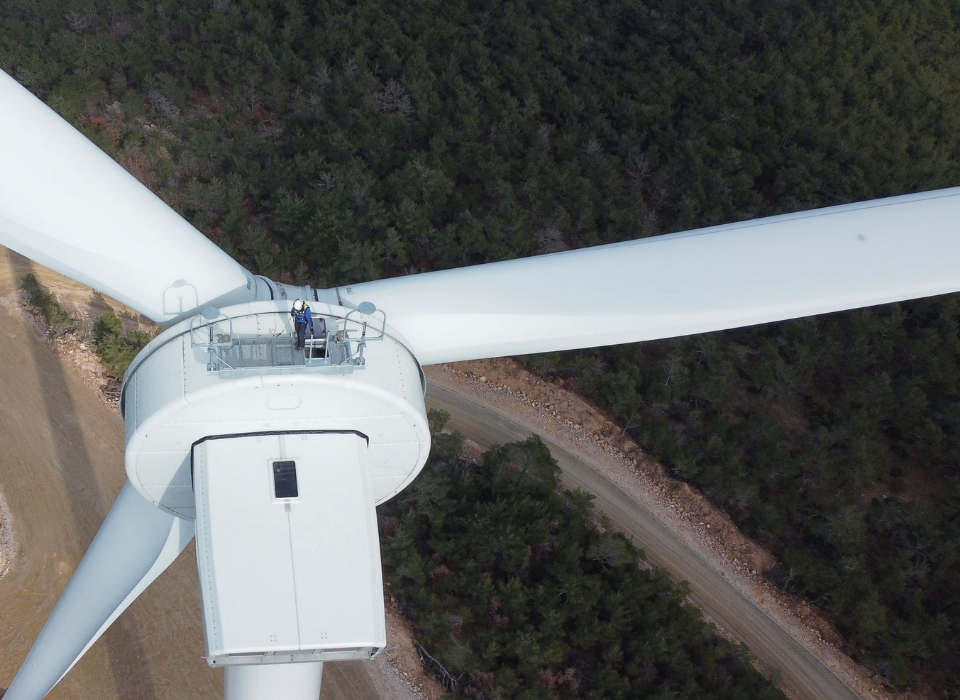
Enerjisa Üretim, which positions equal opportunity in the energy sector as a commitment to future generations, is firml…
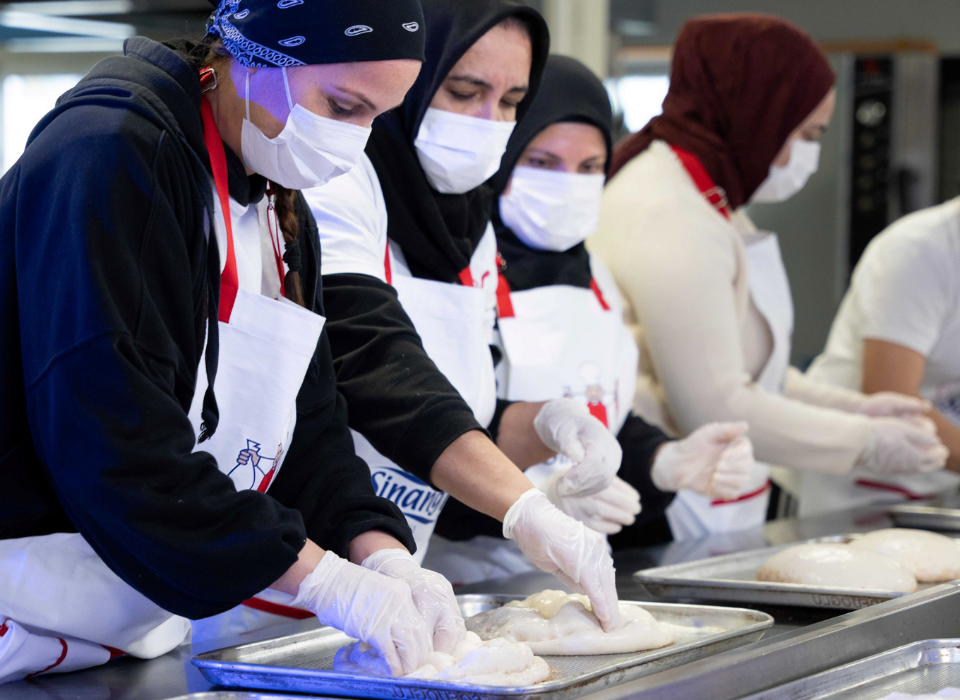
Sinangil brought the spiritual atmosphere of Ramadan to Hatay by entering into a meaningful collaboration with Gönül Mu…

The all-day thirst experienced during Ramadan directly affects the body's fluid balance. Experts recommend consuming at…

Kimpur has reinforced its growth in the panel sector with a new technical achievement in customer projects. The testing…
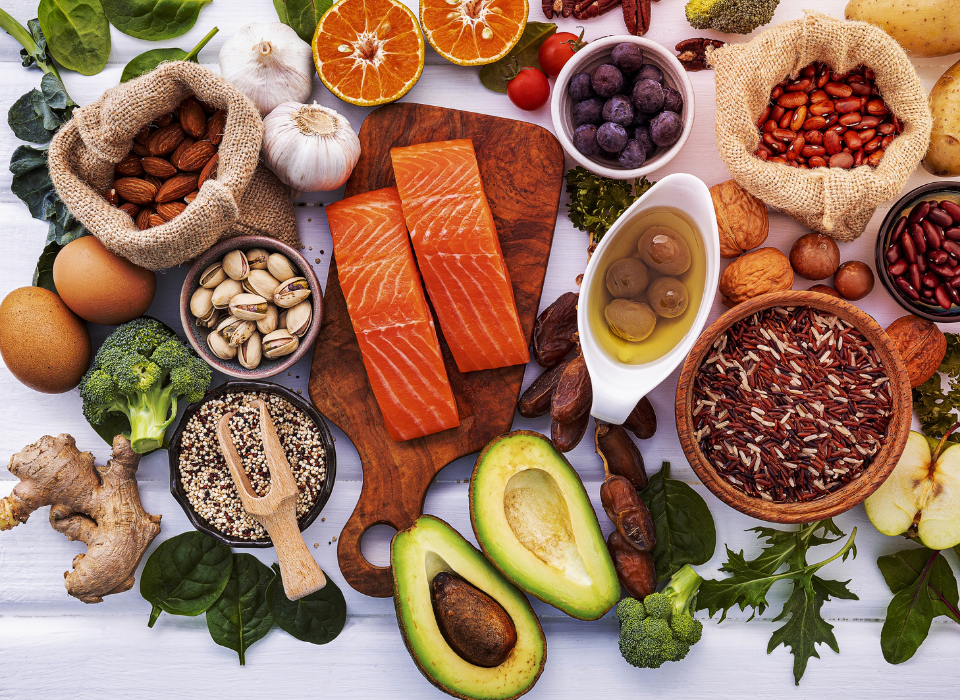
Cardiovascular diseases continue to increase both worldwide and in Turkey. While genetic predisposition, stress and phy…
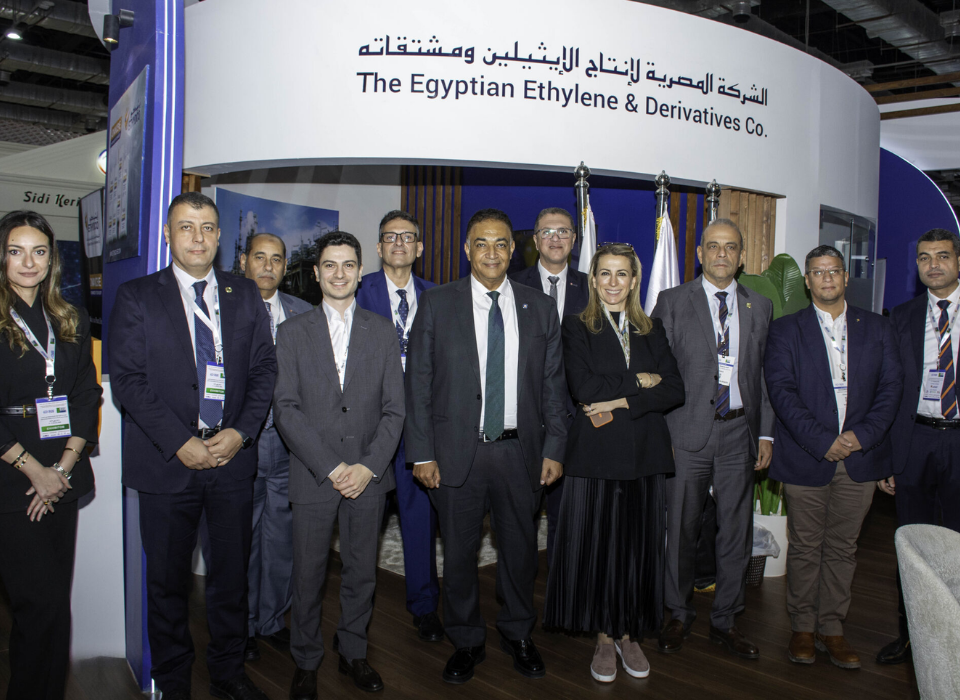
BAYEGAN has renewed its exclusive sales and distribution agreement for polyethylene products with The Egyptian Ethylene…
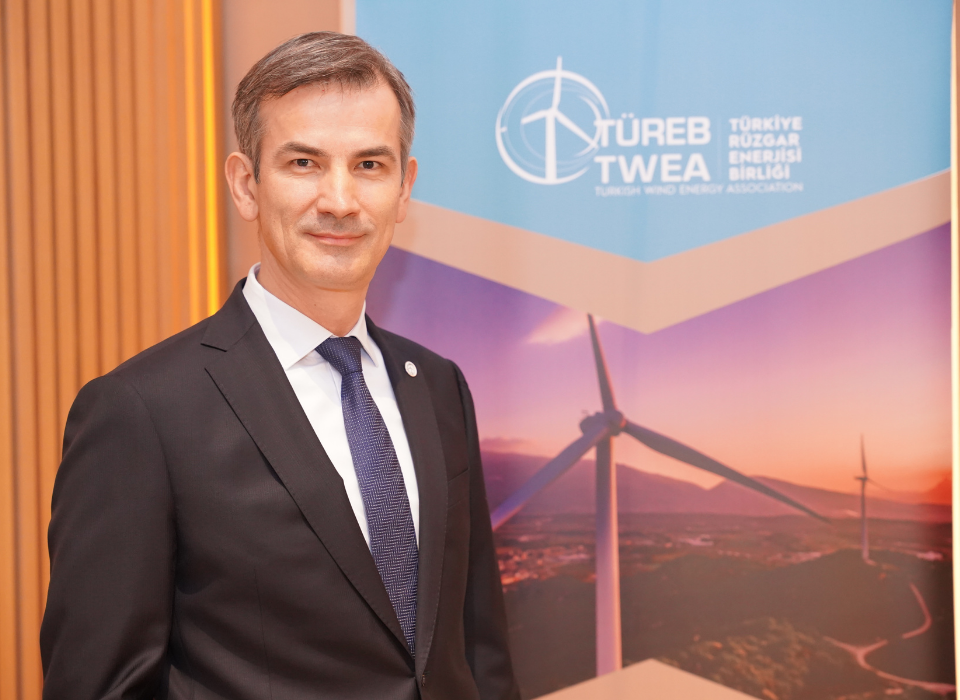
Wind power generation set a daily record of 259,076 MWh on 3 January. Wind accounted for a quarter of the electricity g…
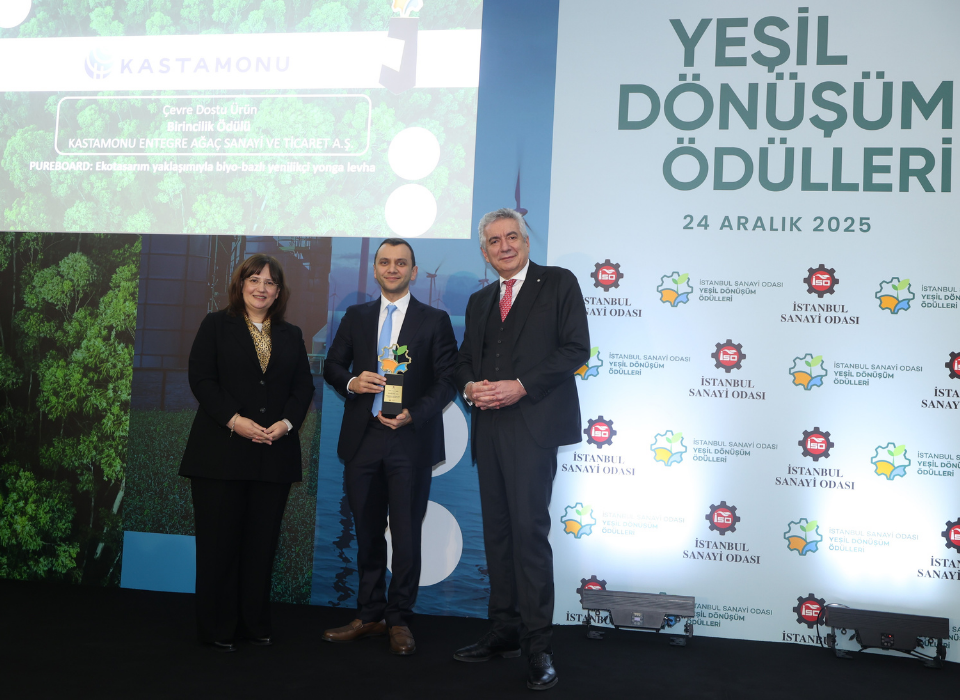
PureBoard, developed by Kastamonu Entegre with an innovation approach focused on environmental and human health, won fi…
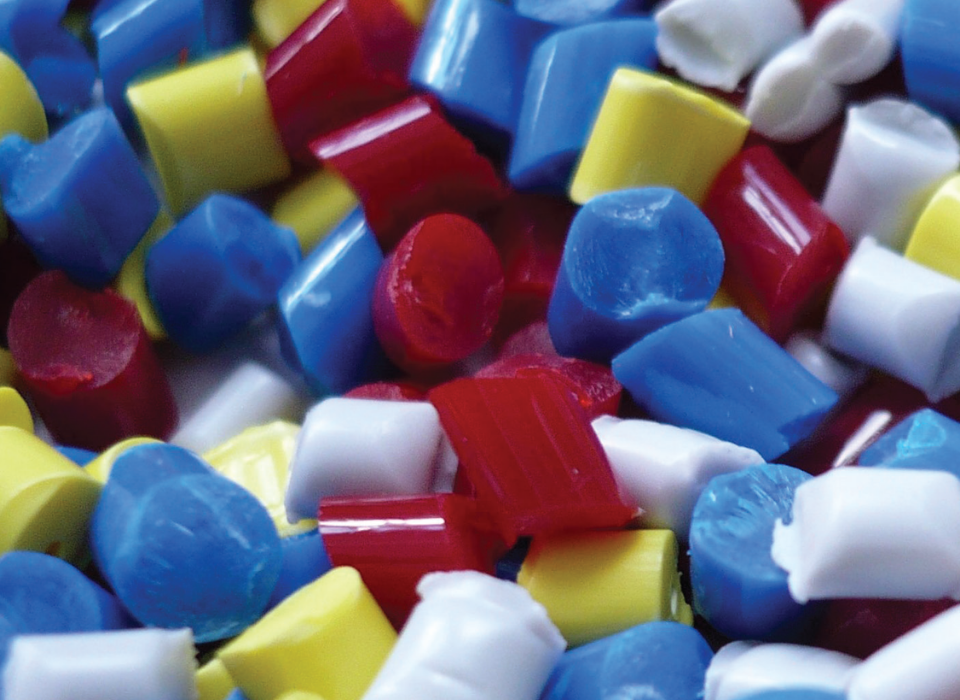
The global plastic crisis has reached a critical turning point. Considering that only 9% of the 8,300 million metric to…

A bioactive compound produced by the microorganism Bacillus licheniformis, found on Deception Island in Antarctica, has…

Automatic Process Control System equipment manufactured for Power Unit 1 has been delivered to the Akkuyu Nuclear Power…
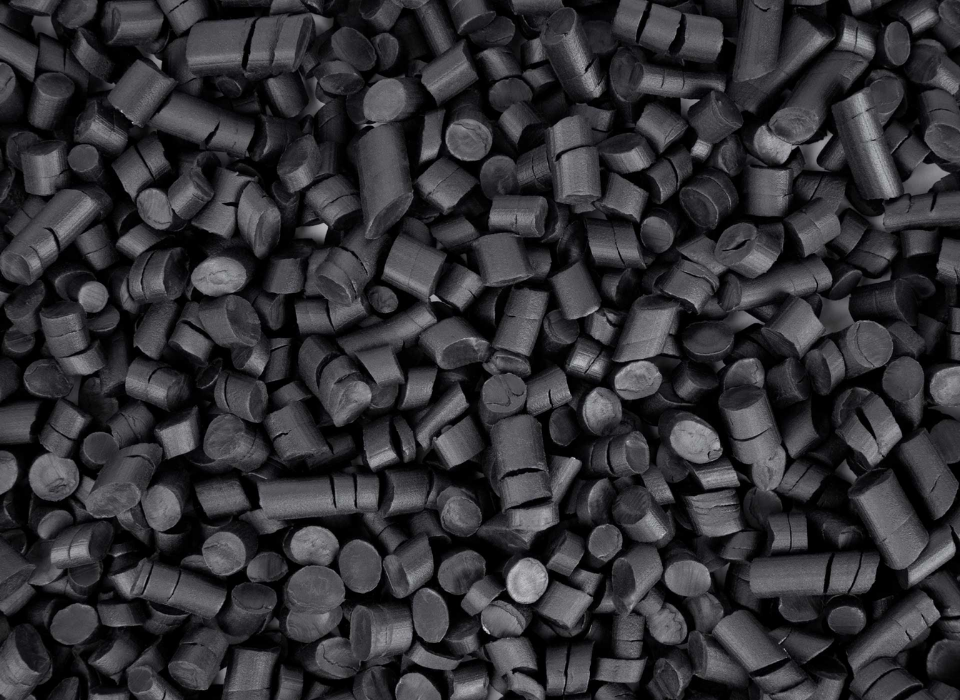
Natural rubber, derived from rubber trees, is a raw material with limited availability. Synthetic rubber, on the other …
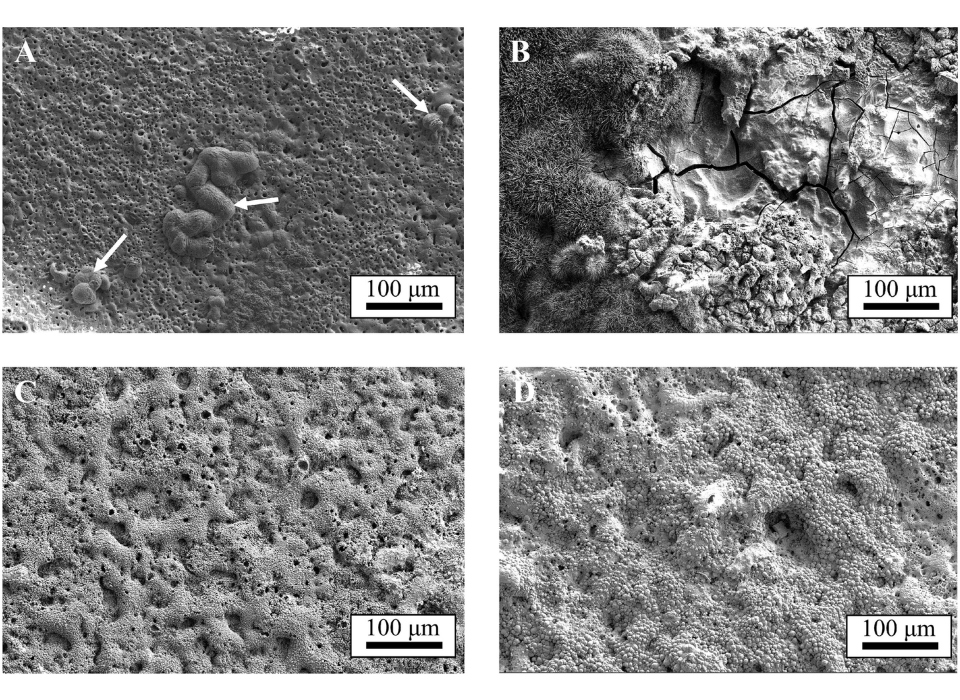
Researchers from IMDEA Materials, together with the Helmholtz-Zentrum Hereon Institute of Surface Science and Meotec Gm…

MOL Group has achieved a significant milestone by completing the initial production test at its pyrolysis-based chemica…
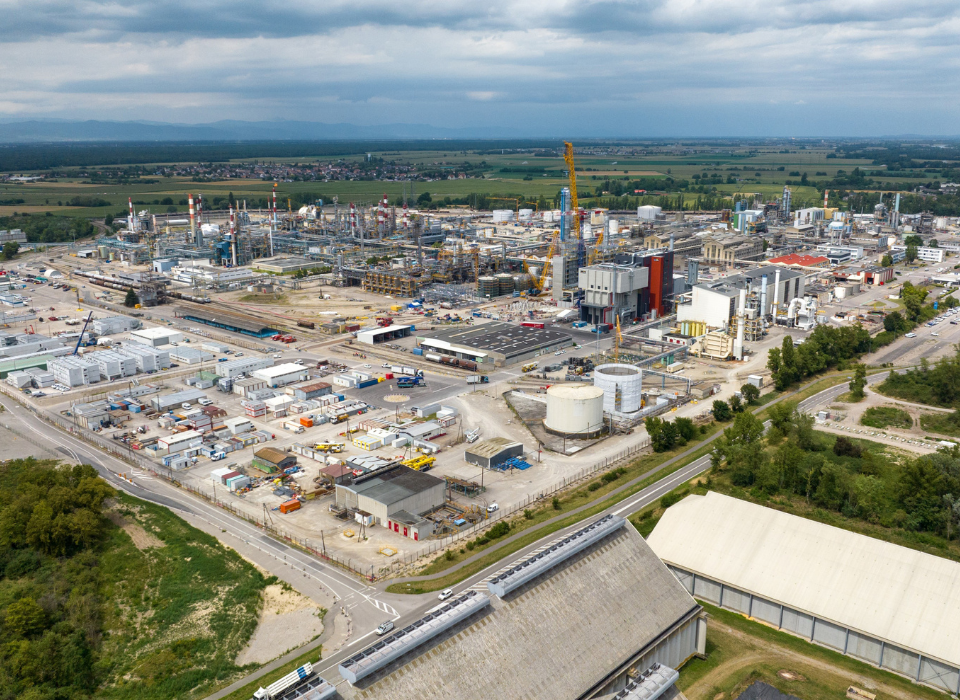
BASF has become the sole owner of the plant located in Chalampé, France, which produces key polyamide (PA) 6.6 precurso…
Kimya sanayiini oynayarak tanıyın: her hafta yeni bulmaca, etkileşimli periyodik tablo, sektöre özel oyunlar ve ücretsiz hesaplayıcılar.
Deneyiminizi iyileştirmek ve site kullanımını ölçmek için çerez kullanıyoruz. Ayrıntılar Çerez Politikası ve KVKK Aydınlatma Metni'nde.