New-Generation Polymeric Materials Produced with Light Developed by Koç University
Researchers at Koç University have succeeded in producing light-sensitive polymeric materials using an eco-friendly, low-cost method. The study, published in the journal Nature Communications, presents an innovative synthesis method that could pave the way for new applications in energy, environmental and materials technologies.
Researchers at Koç University have successfully produced light-sensitive polymeric materials using an environmentally friendly and low-cost method. The study published in Nature Communications presents an innovative synthesis approach that could pave the way for new applications in energy, environment, and materials technologies.
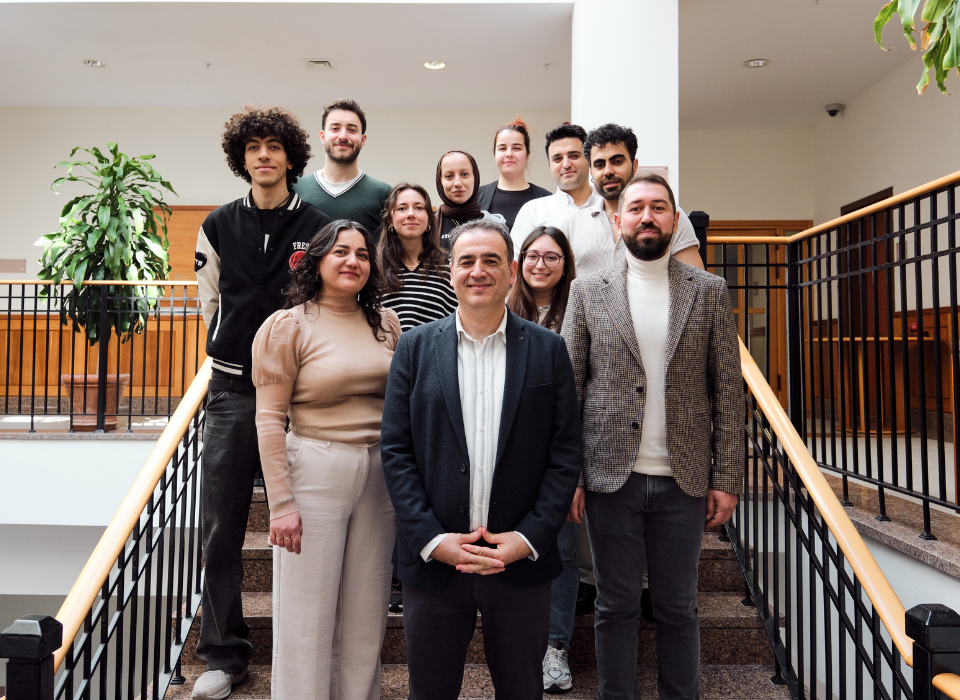
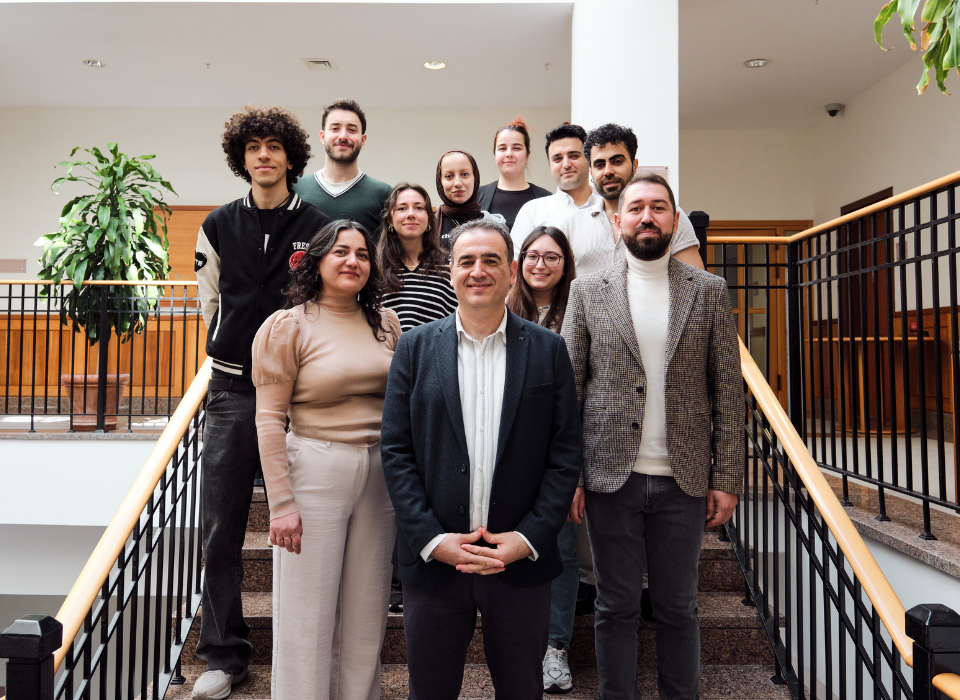
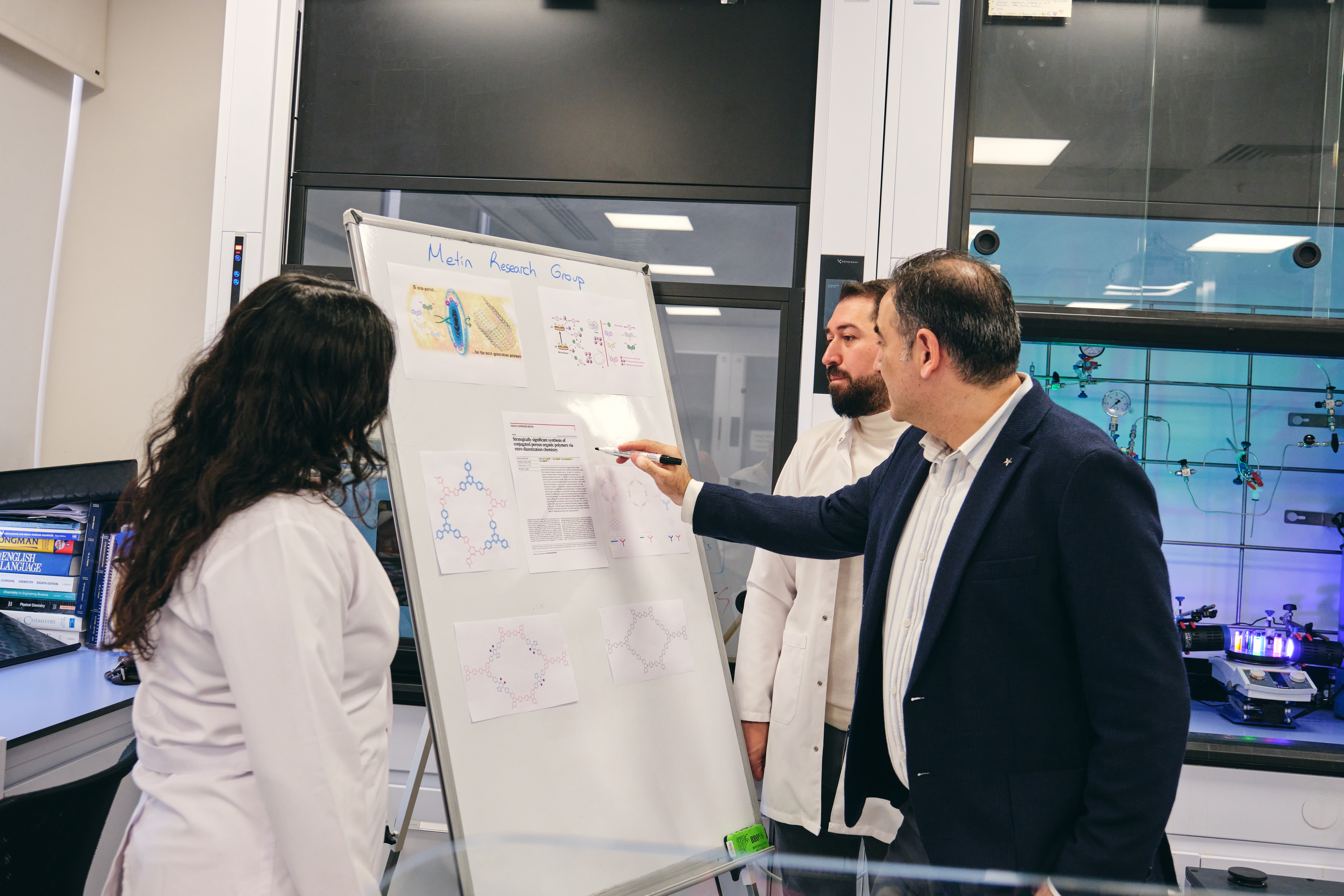
A research team led by Prof. Dr. Önder Metin, developed the method together with Dr. Melek Sermin Özer, Dr. Zafer Eroğlu and Prof. Dr. Sermet Koyuncu, enabling the production of materials at room temperature using only visible light. The process requires no expensive metal catalysts or high temperatures and minimizes environmental impact.
Light-Activated Polymers
The polymers developed in the research contain millions of tiny pores and special molecular motifs. These structures enable the materials to interact with light and produce charge carrier particles that can accelerate chemical reactions. These properties give the materials a broad range of applications, from energy generation to environmental remediation, from medical applications to flexible electronic devices.
Innovative Chemical Method
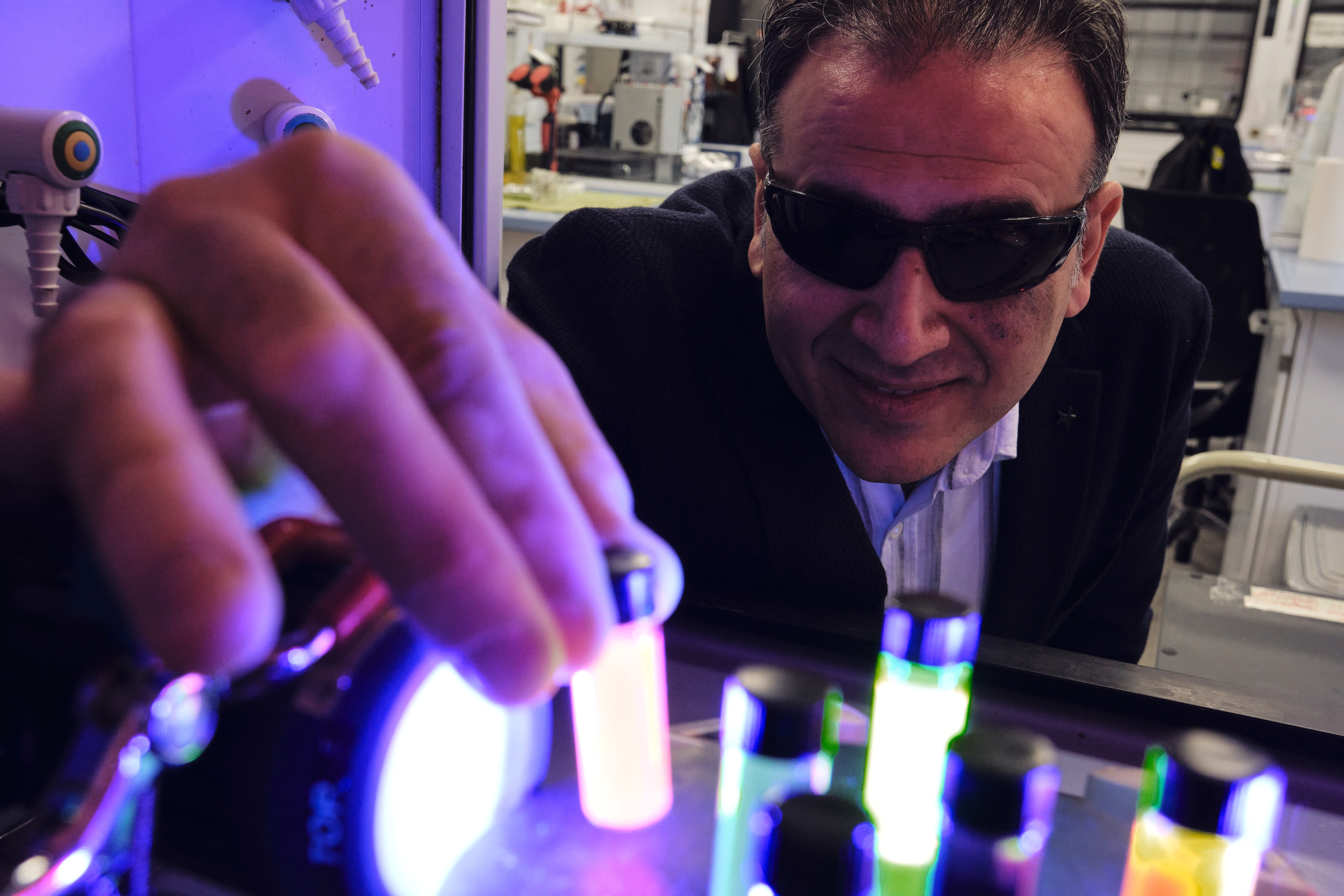
Researchers combined a light-activated semiconductor material called "bismuth" with molecular building blocks in a solvent and exposed them to light. Light activated the bismuth and initiated chemical reactions, allowing small molecules to form long chains. This resulted in the creation of porous, light-sensitive next-generation polymers.
These materials have potential for use particularly in sustainable energy and environmental technologies due to their ability to accelerate chemical reactions under light. Prof. Dr. Metin and his team note that this method could be applied in many areas in the future, from solar light-powered energy systems to environmental remediation and smart materials production.
Gallery