
Reklam




Ana SayfaHome › Hammadde & ÜrünRaw Materials & Products › Epoxy
Epoxy is a resin family that carries at least two strained three-membered oxygen rings (oxirane/epoxide group) in its molecule. When this ring is opened by a hardener, a densely cross-linked, hard and extremely well-adhering network structure forms. Epoxy is the first solution that comes to mind wherever bonding, protection or structural reinforcement is required.
Epoxy is not a single product on its own, but a two-component system: component A is the epoxy resin, component B is the hardener (amine, anhydride, polyamide). When mixed, a chemical reaction begins — this is not drying but an irreversible curing process. The final properties depend not only on the resin but also on the hardener chosen; the same resin can yield either a flexible coating or a brittle structural adhesive depending on which hardener is used.
The distinguishing advantage of epoxy is its low shrinkage. Since no by-product (water, alcohol) is released during curing, volume loss is very small; this means dimensional stability and high adhesion strength.
Standard epoxy resin (DGEBA) is produced by the reaction of bisphenol A with epichlorohydrin in the presence of sodium hydroxide. Molecular weight is adjusted by varying the bisphenol A/epichlorohydrin ratio: low molecular weight products are liquid, while higher molecular weight ones are solid and used in powder coatings.
Other production routes include novolac epoxies (epoxidation of phenol–formaldehyde condensate, for high heat resistance), cycloaliphatic epoxies (UV-cured systems) and bisphenol A-free alternatives (from bio-based building blocks such as cardanol and sorbitol). The latter group is developing rapidly due to regulatory pressure on food-contact packaging linings.
| System | Hardener | Key property | Application |
|---|---|---|---|
| Standard liquid (DGEBA) | Aliphatic amine | Cures at room temperature | Floor coating, adhesive |
| Standard liquid | Polyamide | Flexibility, moisture tolerance | Marine primer, repair |
| Solid epoxy | Dicyandiamide | Powder form, oven-cured | Powder coating, pipe coating |
| Novolac | Anhydride | High heat and chemical resistance | Chemical tank, electronics |
| Cycloaliphatic | Cationic photoinitiator | Cures with UV in seconds | Ink, optical bonding |
| Water-based dispersion | Amine adduct | Low VOC | Concrete primer, interior use |
Epoxy resin production in Turkey is limited; the majority of base resins and hardeners are imported. The formulation side, however, is strong: numerous domestic companies producing floor coatings, construction chemicals and protective paints convert imported resin into their own systems and sell it together with application services.
Current topics in the sector include: the bisphenol A debate and the shift to BPA-free linings in food-contact applications, low-VOC/solvent-free flooring systems, demand for protective coatings linked to infrastructure investments, and the impact of wind energy investments on demand for composite epoxy. Current developments can be found in the news feed below.
| Parameter | Typical value / range | What it indicates |
|---|---|---|
| Epoxy equivalent weight (EEW) | 180–200 g/eq (standard liquid resin) | Basis for hardener calculation |
| Viscosity (25°C) | 10,000–14,000 mPa·s | Application and filler acceptance |
| Compressive strength | 70–120 MPa (unfilled system) | Flooring and repair mortar |
| Adhesion (concrete, pull-off) | Generally at the concrete's own failure value | With correct priming, the concrete itself fails |
| Glass transition (Tg) | 50–120°C, depending on hardener | Upper limit of service temperature |
| Curing shrinkage | Approximately 1–3% | Much lower than polyester |
The most frequently overlooked parameter is Tg. The Tg of a room-temperature-cured system is typically around 50–60°C; for a floor or part that will operate above this temperature, either a post-cure heat treatment must be applied afterward, or a hardener with a higher Tg must be selected from the outset.
Epoxy offers adhesion, hardness and chemical resistance; polyurethane offers flexibility, abrasion and UV resistance. The common solution in industrial flooring is to use both together: an epoxy primer and body coat, with a polyurethane top coat over it. Used alone outdoors, epoxy yellows and chalks.
Epoxy and hardener react stoichiometrically; this is not a catalyst relationship. Excess hardener leaves uncured amine residue (stickiness, yellowing, surface blushing), while insufficient hardener means low cross-link density and poor chemical resistance. The ratio must be measured by weight or volume as specified by the manufacturer.
It is the period during which the product remains workable after the two components are mixed. The reaction is exothermic — the heat released further accelerates the reaction. For this reason, the pot life of epoxy mixed in a large volume is much shorter than that of epoxy spread out in a thin layer, and once the mixing container starts to heat up, the application window has closed.
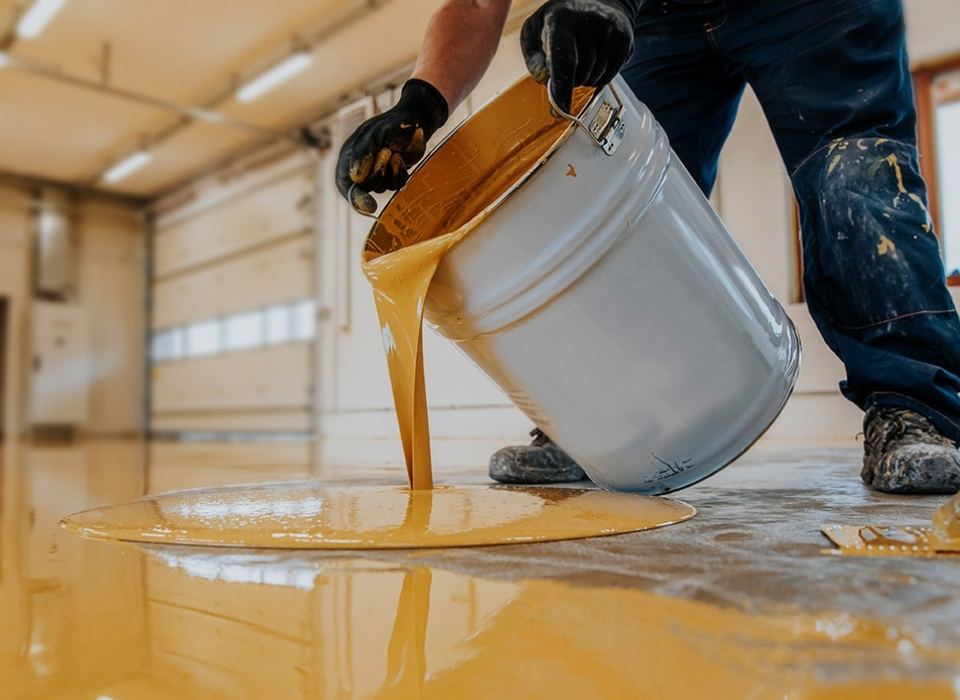
Not with standard systems. Moisture in concrete disrupts curing, and more importantly, residual moisture underneath creates vapor pressure that causes the coating to blister. Moisture measurement is a mandatory preliminary step in floor applications; in cases of high moisture, moisture-tolerant special primers or vapor barrier systems are used.
The aromatic rings in the DGEBA structure absorb UV light and break down over time; the result is yellowing and surface chalking. This is more of an appearance issue than a loss of strength, but the protective film does begin to thin. The solution is to stop UV exposure with an aliphatic polyurethane or acrylic top coat.
In the chemical and petrochemical industries, accurate measurement of fluids such as polyurethane, epoxy, resin, paint,…
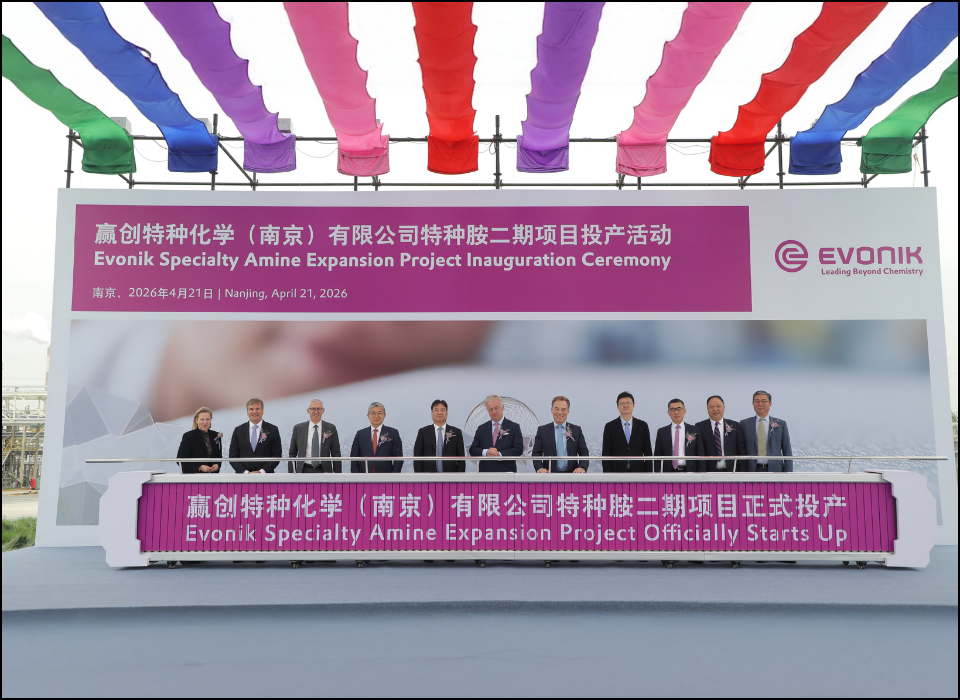
The expansion of its specialty amine production facility enhances the company's ability to supply innovative amine-base…
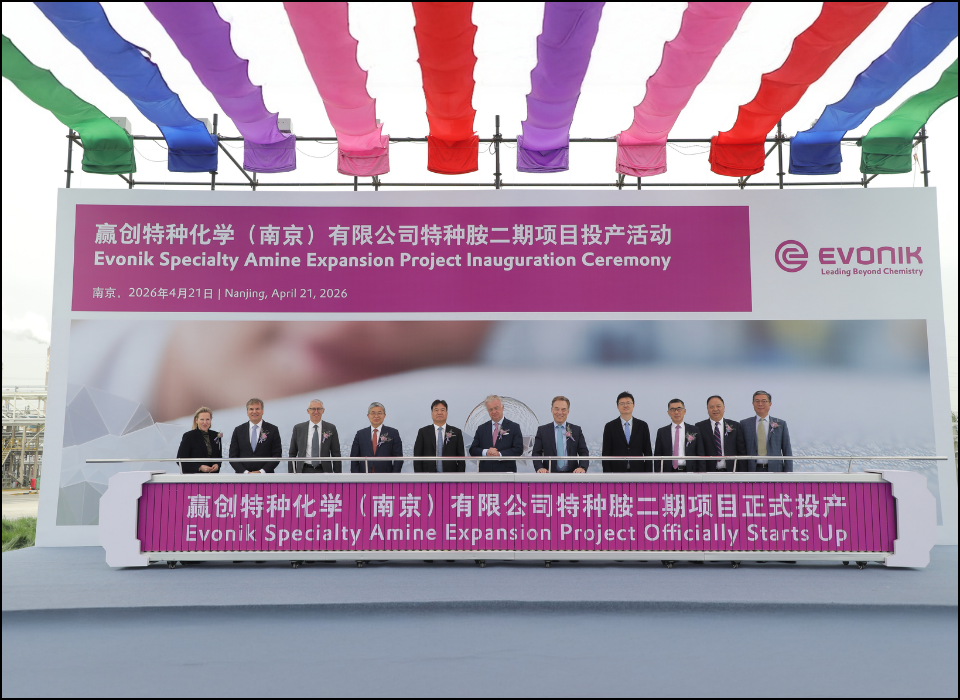
The expansion of the specialty amine production facility is increasing the company's capacity to supply innovative amin…
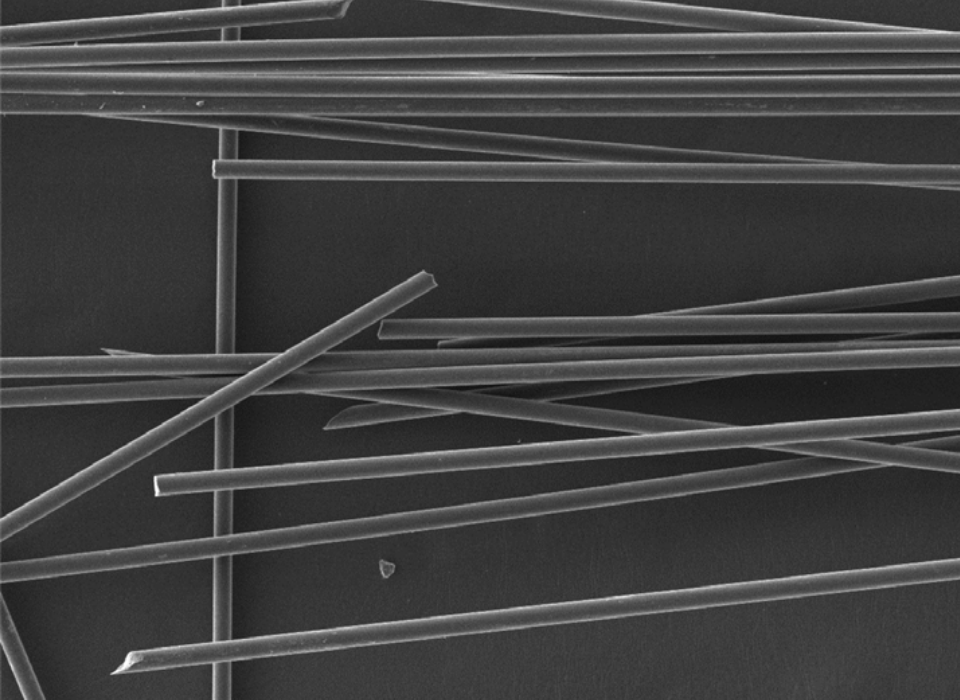
Epoxy resins are coatings and adhesives used in many common applications such as construction, engineering and manufact…
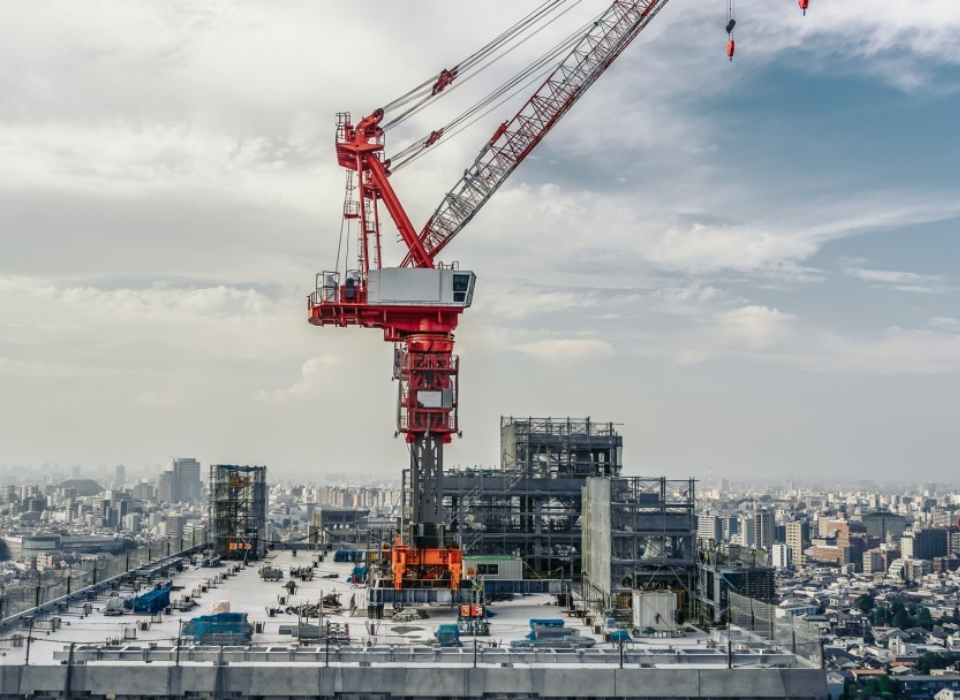
Brenntag and Westlake Epoxy announced the expansion of their long-standing partnership to the Indian market.
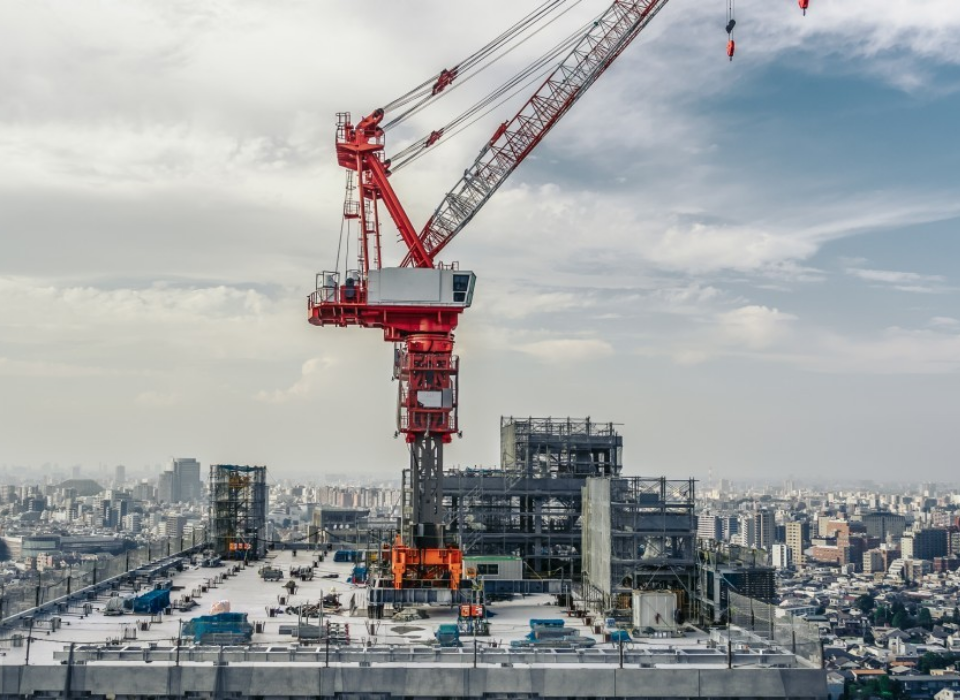
Brenntag and Westlake Epoxy announced that they have expanded their long-standing partnership to include India.
Kimya sanayiini oynayarak tanıyın: her hafta yeni bulmaca, etkileşimli periyodik tablo, sektöre özel oyunlar ve ücretsiz hesaplayıcılar.
Deneyiminizi iyileştirmek ve site kullanımını ölçmek için çerez kullanıyoruz. Ayrıntılar Çerez Politikası ve KVKK Aydınlatma Metni'nde.