
Reklam




Ana SayfaHome › Hammadde & ÜrünRaw Materials & Products › Polyurethane
Polyurethane (PU) is one of the most versatile polymer families in the chemical industry, obtained from the reaction of an isocyanate with a polyol. Starting from the same basic chemistry, mattress foam, refrigerator insulation panels, car bumpers, and industrial floor coatings can all be produced. This flexibility makes polyurethane less a single material than a material platform.
Polyurethane is a polymer carrying a urethane bond (–NH–COO–) in its chain. This bond forms through the reaction of an isocyanate group (–NCO) with a hydroxyl group (–OH). The reaction produces no by-product and is fast; for this reason, polyurethane is often formed not in a factory but in the mold or at the point of application.
The product's character is determined by two blocks: the hard segment derived from the isocyanate and short-chain extenders (mechanical strength, hardness), and the soft segment derived from the long-chain polyol (flexibility, recovery). By varying the ratio of these two segments, both a soft foam and a rigid engineering part can be produced from the same chemistry.
Production takes place by reacting an isocyanate (commonly TDI or MDI) with a polyol in the presence of a catalyst, foam stabilizer (surfactant), and blowing agent. The two components are combined in a high-pressure mixing head, and the reaction begins within seconds.
In foam production, a second reaction comes into play: the isocyanate reacts with water to release carbon dioxide, and this gas expands the mass. For this reason, the amount of water in the formulation is not merely an impurity but a direct formulation parameter. In rigid foams, additional physical blowing agents are used to improve thermal insulation; the generation-by-generation replacement of these agents due to their ozone and climate impact has defined the sector over the past thirty years.
| Type | Structure | Application |
|---|---|---|
| Flexible foam | Open-cell, low density | Mattress, upholstery, automotive foam |
| Rigid foam | Closed-cell, high cross-linking | Insulation panel, refrigeration, spray insulation |
| Elastomer (cast/TPU) | High hard-segment ratio | Wheels, seals, wear parts, cable sheathing |
| Coating | 1K or 2K system | Flooring, wood varnish, automotive topcoat |
| Adhesive and sealant | Moisture-cured or 2K-cured | Panel assembly, automotive glass, joint sealing |
| Integral skin | Dense surface, foamed core | Steering wheel, armrest, shoe sole |
The choice of isocyanate introduces a further distinction: aromatic isocyanates (TDI, MDI) are economical but yellow under UV exposure; aliphatic isocyanates (HDI, IPDI) are used in outdoor topcoats requiring color retention and are notably more expensive.
Polyurethane is a growing segment of the Turkish chemical industry, driven by demand from the insulation, furniture, white goods and automotive sectors. The country is strong in system houses (formulators that turn polyols, catalysts and additives into ready-made recipes for customers) and in foam production; isocyanates and base polyols, on the other hand, are largely imported. This structure directly ties product costs to exchange rates and international raw material prices.
Topics currently on the sector's agenda include: the impact of energy efficiency regulations on rigid foam demand, blowing agent transitions (the shift toward agents with lower global warming potential), training and usage rules concerning isocyanate exposure, the use of bio-based and recycled polyols, and foam recycling (chemical recovery via glycolysis). You can follow the latest developments on these topics in the news feed below.
| Parameter | Flexible foam | Rigid foam | Elastomer |
|---|---|---|---|
| Density | 16–60 kg/m³ | 30–50 kg/m³ | 1.0–1.25 g/cm³ |
| Cell structure | Open | Closed (90%+) | — |
| Thermal conductivity | — | 0.020–0.028 W/m·K | — |
| Hardness | Measured by ILD/IFD | — | Shore A 60 – Shore D 75 |
| Service temperature | −30 … +80 °C | −50 … +100 °C | −40 … +100 °C |
| Isocyanate index | 90–110 | 105–130 | 95–105 |
The thermal conductivity of rigid foam is among the lowest values of commonly used insulation materials; achieving the same insulation performance with a thinner cross-section is polyurethane's decisive advantage in confined spaces. However, this value rises somewhat over time (due to diffusion of the gas within the cells); for this reason, the "aged" value should be sought in data sheets.
Polyurethane forms from the reaction of isocyanate with polyol (hydroxyl), while polyurea forms from the reaction of isocyanate with amine. Polyurea cures much faster — within seconds — and is therefore preferred in spray waterproofing. In return, its application tolerance is narrow and requires specialized equipment.
TDI is used predominantly in flexible foam, while MDI is used in rigid foam, elastomers and adhesives. MDI has lower vapor pressure, which provides a clear occupational health advantage during application and is the reason for the shift toward MDI in many applications.
Since it is a thermoset, it cannot be melted and reshaped. The common route is grinding foam scrap and repressing it with adhesive (rebond — used for carpet underlay and sports flooring). In chemical recycling, polyol is recovered via glycolysis; the technology is maturing, but large-scale application remains limited.
Not directly. Density is a good indicator of durability, but hardness is a separate parameter — a high-density foam can be soft, and a low-density foam can be firm. In mattresses and upholstery, the correct comparison is made by reading density and hardness (ILD) values together.
On surfaces that are damp, where ambient temperature falls below the application range, and on surfaces that will be exposed to UV. Spray foam must always be protected with a coating against external factors; otherwise, its surface degrades rapidly.


Alışan Lojistik reduced its total greenhouse gas emissions by 13.6 percent in 2025 while continuing its operational gro…
The year 2025 marked a turning point in which battery energy storage systems (BESS) established a central position in g…

The flexible packaging industry has undergone a significant transformation in recent years due to increasing food safet…
Kimpur has published its Integrated Report, presenting its 2025 environmental, social and economic performance. Prepare…

Herbal Essences is introducing its Moroccan Argan Oil Series and Moroccan Argan Oil Elixir products to consumers, aimed…
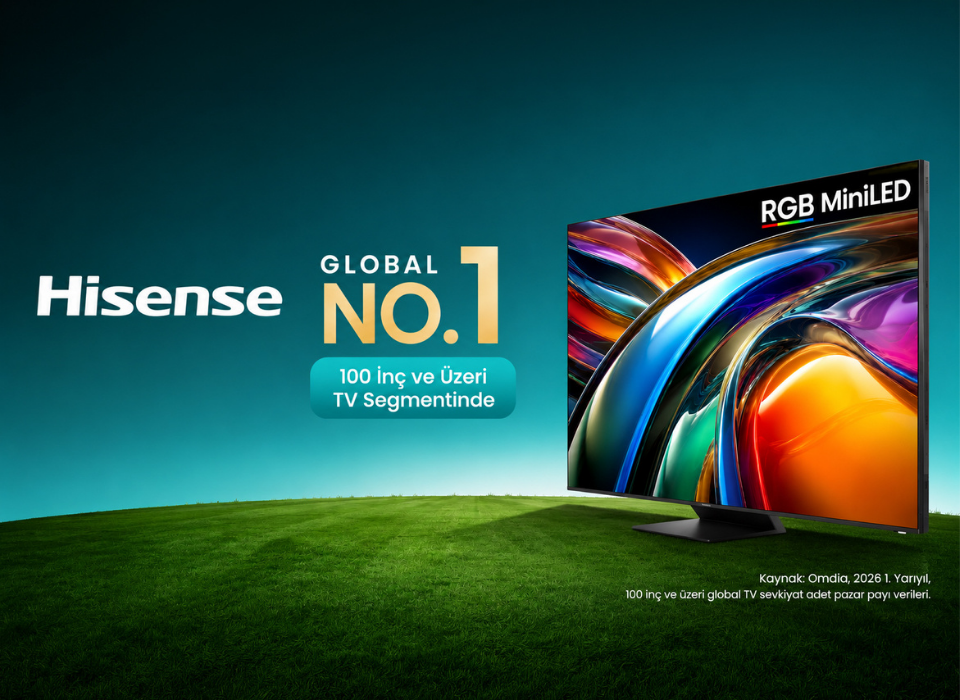
According to Omdia, the market research firm's first-half 2026 data, Hisense became the world leader in global shipment…
Mineral filler materials are fine particles added to formulations to improve the physical and functional properties of …
The FLEX-CIRC-CO₂ project, in which Koruma Klor Alkali R&D Center is one of the consortium partners, received a perfect…
The third harvest of Zerun has been completed as part of Puratos Türkiye's Yadigâr Buğdaylar (Heirloom Wheat) project, …
Applications for the 2027 edition of the Golden Pulse Awards, which recognize creative ideas and projects in health, we…
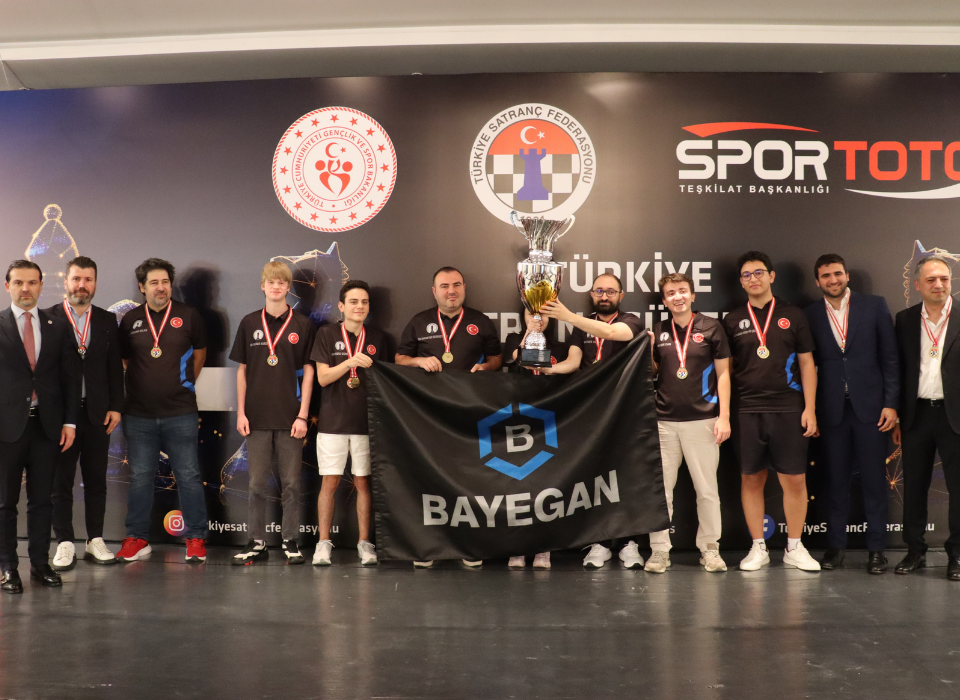
BAYEGAN Pendik Satranç Spor Kulübü completed the 2026 Turkey Chess Super League unbeaten, winning all 15 matches. Finis…
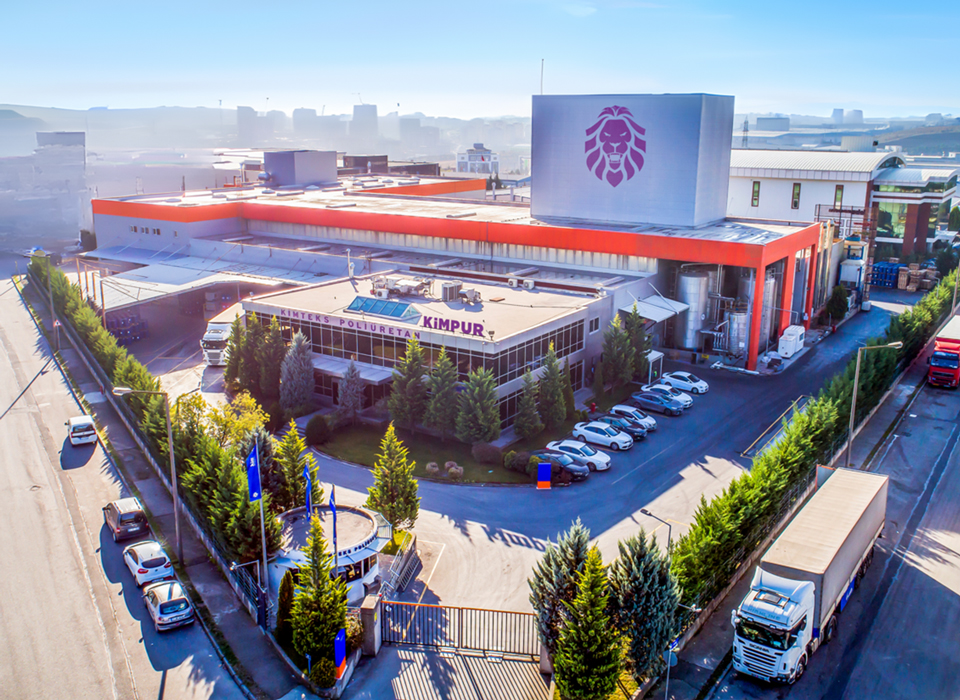
Kimpur, one of the region's leading polyurethane systems houses, has received ReMade® certification for its products ai…

Following the transfer of the majority stake to ON Investment B.V., controlled by OYAK, a new era has begun swiftly at …

Anadolu Efes increased its consolidated sales volume by 7.4% to 33.2 million hectoliters in the second quarter of 2026.…

**Saydun Gökşin Discusses PÜRKAY's Founding Story, Vision, Polyurethane Technologies and the Future of the Industry**
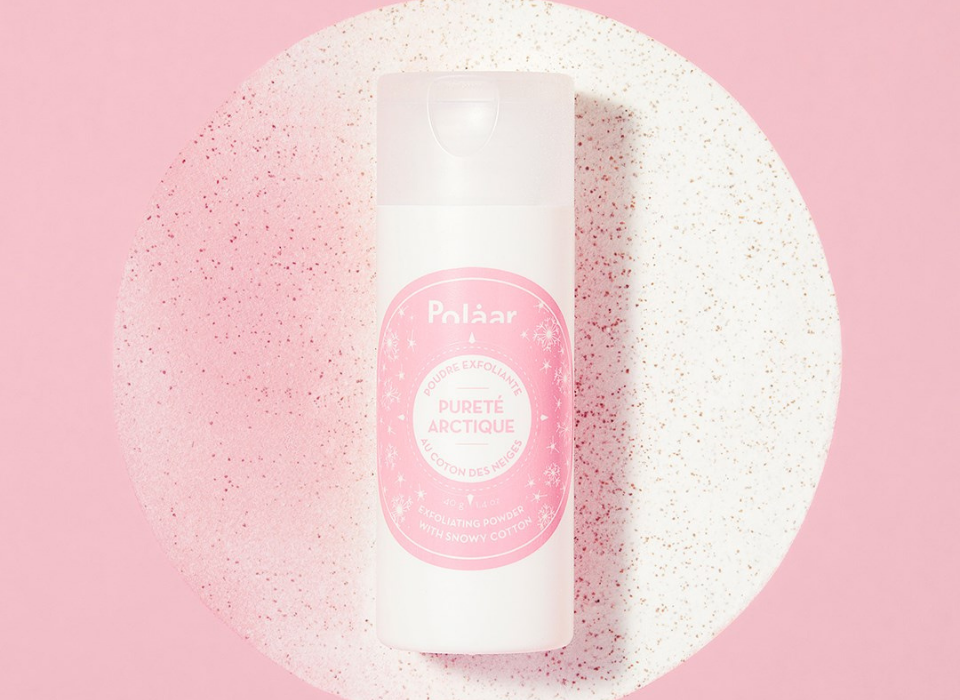
French skincare brand Polaar's Pureté Arctique range offers an effective start to a daily skincare routine with formula…

BorsodChem, the Hungarian subsidiary of Wanhua Chemical, has begun annual scheduled maintenance work at its integrated …

Nipple discharge in women stands out as one of the most common reasons for admissions to breast disease outpatient clin…
In food safety technologies, the "Retort" (sterilization) process represents the most demanding performance criteria fo…

Modern automotive engineering needs advanced polymer technologies more than ever before, driven by lightweighting, acou…
The global automotive sector is undergoing a significant transformation centered on lightweighting, safety, comfort and…

With advancing technology, industrial manufacturing processes are undergoing a radical transformation. One of the most …
Kimya sanayiini oynayarak tanıyın: her hafta yeni bulmaca, etkileşimli periyodik tablo, sektöre özel oyunlar ve ücretsiz hesaplayıcılar.
Deneyiminizi iyileştirmek ve site kullanımını ölçmek için çerez kullanıyoruz. Ayrıntılar Çerez Politikası ve KVKK Aydınlatma Metni'nde.