Foods That Quietly Threaten Heart Health: The Risk Starts at the Table
Cardiovascular diseases continue to increase both worldwide and in Turkey. While genetic predisposition, stress and physical inactivity are among the significant risk factors, experts point to dietary habits as one of the most decisive elements. Certain foods consumed unknowingly in daily life can wear down the cardiovascular system over the long term, paving the way for serious health problems.
Cardiovascular diseases continue to increase worldwide and in Turkey. While genetic predisposition, stress and physical inactivity are among the important risk factors, according to experts one of the most decisive factors is eating habits. Some foods consumed unknowingly in daily life can, over the long term, wear down the cardiovascular system and create conditions for serious health problems.
Uzm. Dr. Yusuf Altınkaynak, Cardiologist at Batıgöz Sağlık Grubu Balçova Surgical Medicine Center, emphasizes that the increasingly rising consumption of processed foods in modern dietary patterns has a greater impact on heart health than previously thought.
"Ultra-processed foods wear down the heart invisibly"
Uzm. Dr. Yusuf Altınkaynak draws attention to ultra-processed foods, whose consumption has been rising rapidly in recent years:
"Packaged snacks, ready-made meals, processed meat products and sugary beverages contain high amounts of salt, sugar and saturated fat. While these products may seem convenient in the short term, they can damage vessel structure over the long term. Regular consumption significantly increases the risk of high blood pressure, elevated cholesterol and vessel stiffness. A significant portion of heart diseases is directly related to diet quality."
Ultra-processed foods are products that are low in nutritional value but calorie-dense. This accelerates weight gain while opening the door to diseases such as metabolic syndrome and diabetes. Many of the diseases that develop are considered part of a chain that increases the risk of heart attack.
"Excessive salt and sugar consumption increases the heart's workload"
Salt and refined sugar consumption is one of the dietary errors frequently encountered in modern societies. Uzm. Dr. Altınkaynak offers this warning on this topic:
"Excess daily sodium intake causes blood pressure to rise. High blood pressure means the heart must constantly work harder. Similarly, excessive sugar consumption negatively affects blood fats and can cause damage to the inner surface of blood vessels. When these two factors combine, the risk of heart attack increases significantly."
Carbonated beverages, ready-made sauces, canned products and processed meats can account for a large portion of daily salt and sugar intake.
"Trans fats are among the biggest threats to vessel health"
Trans fats used in industrial foods and foods high in saturated fat can cause bad cholesterol to rise. This accelerates plaque formation on the inner surface of blood vessels.
Trans fats can trigger inflammatory processes in the body and accelerate vessel stiffness. Over the long term, this increases the risk of heart attack. Margarines, packaged pastries and some fast-food products are risky in this regard. Building a habit of reading labels is an important step in protecting heart health.
"Protecting the heart is possible through right choices, not restrictions"
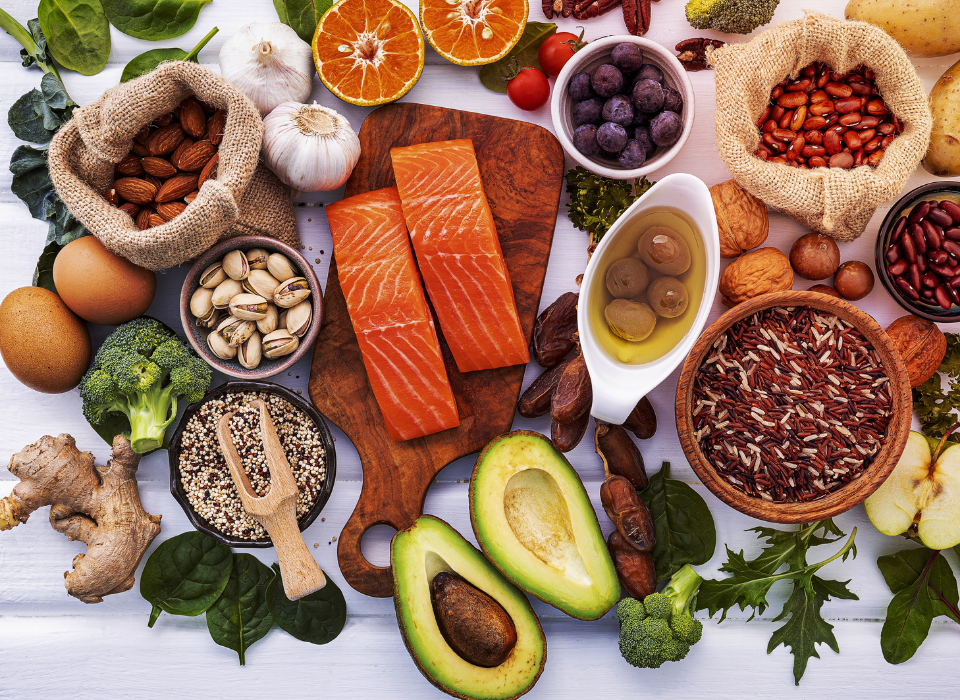
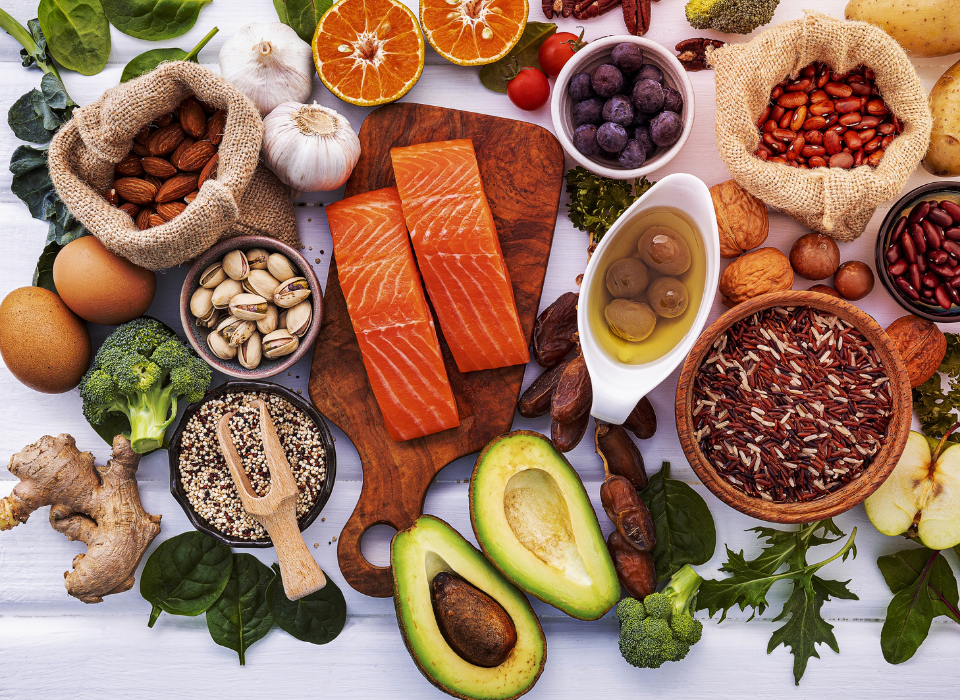
Heart-friendly nutrition is based on vegetables, fruits, whole grains, olive oil and healthy protein sources. The goal is not to ban all foods, but to achieve balance. Reducing processed foods alone can provide significant improvement in heart health. Small but consistent changes make a big difference over the long term. Eating habits are shaped from childhood, and family examples leave lasting effects.
Protecting heart health is not limited to measures taken only when disease develops. The dietary choices made in daily life can determine the fate of the cardiovascular system over the years.
Uzm. Dr. Yusuf Altınkaynak concludes as follows:
"A significant portion of heart diseases is preventable. One way is through the choices we make at the table. Adopting a more natural, less processed and balanced dietary model is one of the most powerful steps in protecting the heart. A healthy heart is the foundation of a long and quality life."
Gallery