
Reklam




Ana SayfaHome › Hammadde & ÜrünRaw Materials & Products › Hydrogen
Hydrogen (H₂) is the most abundant element in the universe and one of the most heavily used intermediates in the chemical industry. Today, the vast majority of hydrogen produced is consumed not as an energy carrier but as a chemical feedstock — in ammonia and methanol production and in refinery processes. The energy transition debate stands to change this picture.
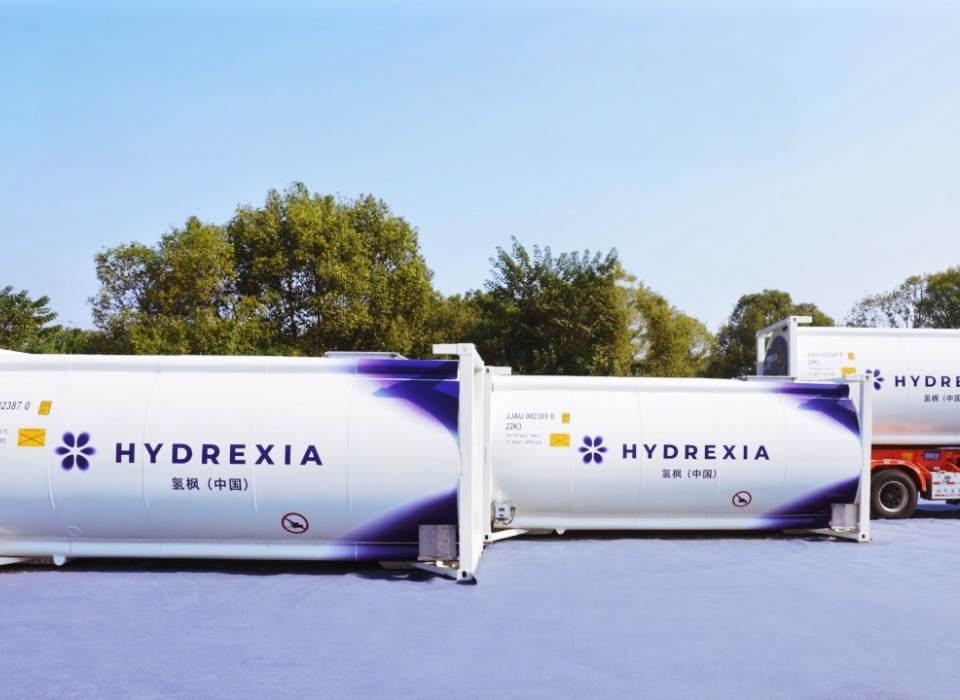
Hydrogen is a colorless, odorless gas that is much lighter than air and highly flammable. Its energy content per unit mass is higher than that of any known fuel, but its energy content per unit volume is low. This contradiction is at the heart of storage and transport: high pressure (350–700 bar), cryogenic liquefaction (−253°C), or binding to a carrier such as ammonia or methanol.
In the industry, hydrogen is referred to by colors according to its production method. These colors do not denote a chemical difference but a carbon footprint label — the molecule is identical in every case.
| Name | Method | Carbon status |
|---|---|---|
| Gray | Steam methane reforming (SMR) of natural gas | CO₂ released to the atmosphere |
| Blue | SMR + carbon capture and storage | Most of the CO₂ is captured |
| Green | Electrolysis of water using renewable electricity | No direct emissions |
| Turquoise | Methane pyrolysis — solid carbon as by-product | Carbon is separated in solid form |
| By-product | From chlor-alkali and ethylene cracking | Output of an existing process |
On the electrolysis side, three technologies are competing: alkaline (mature, low cost), PEM (fast response, suited to variable renewable power) and solid oxide (high efficiency, high temperature, still at the scale-up stage).
In Turkey today, the overwhelming majority of hydrogen consumed is produced and consumed on-site: refineries, fertilizer plants and petrochemical complexes produce their own hydrogen. The independent commercial hydrogen market consists mainly of cylinder and tank deliveries by industrial gas companies.
The country's high solar and wind potential keeps the debate over export-oriented investment in green hydrogen and its derivative products (green ammonia, e-methanol) alive. The determining variables are: electrolyzer investment cost, the unit price of renewable electricity, the impact of the Carbon Border Adjustment Mechanism on export-oriented industry, and transmission/storage infrastructure. Developments on these topics can be followed in the news items below.
| Property | Value |
|---|---|
| Formula / molecular weight | H₂ / 2.016 g/mol |
| Boiling point | approximately −253°C |
| Gravimetric energy density | approximately 120 MJ/kg (about 2.8 times that of gasoline) |
| Volumetric energy (gas, standard conditions) | very low — compression/liquefaction is required |
| Flammability range (in air) | very wide; approximately 4–75% by volume |
| Typical storage pressure | 200–350 bar (industrial), 700 bar (vehicle) |
Two rows in the table sum up the entire hydrogen economy: the highest energy density by mass, the lowest by volume. This is why hydrogen's cost does not end at production; compression, storage and distribution typically make up a significant share of the total delivered cost. In material selection, hydrogen embrittlement (the loss of toughness in certain steels under hydrogen exposure) is a fundamental design constraint.
There is no difference at the molecular level; both are pure H₂. The difference lies in the CO₂ released during production, and this difference is documented through certification. For a buyer, what matters is how the product will be reflected in the carbon footprint calculation — particularly for exports.
For green hydrogen, most of the cost comes from the price of electricity and the amortization of the electrolyzer investment. Compression, storage and distribution add to this. For gray hydrogen, cost is largely tied to the price of natural gas; as carbon pricing rises, the gap between the two narrows.
Limited-ratio blending is being tested in many networks. However, hydrogen can embrittle steel, can create compatibility issues with existing meters and burners, and because its energy content by volume is low, the same pipe cannot carry the same amount of energy. Pure hydrogen generally requires dedicated lines.
Its risks are known and manageable. It has a very wide flammability range and low ignition energy; on the other hand, because it is much lighter than air, it rises and disperses rapidly in the event of a leak, unlike liquid fuels, which pool on the ground. What matters is ventilation, leak detection and material selection.
Areas where electrification is difficult: replacing existing gray hydrogen in ammonia and methanol production, refinery hydrogen, direct reduced iron, and process heat requiring high temperatures. Hydrogen is already used in these areas; what will change is the production method.
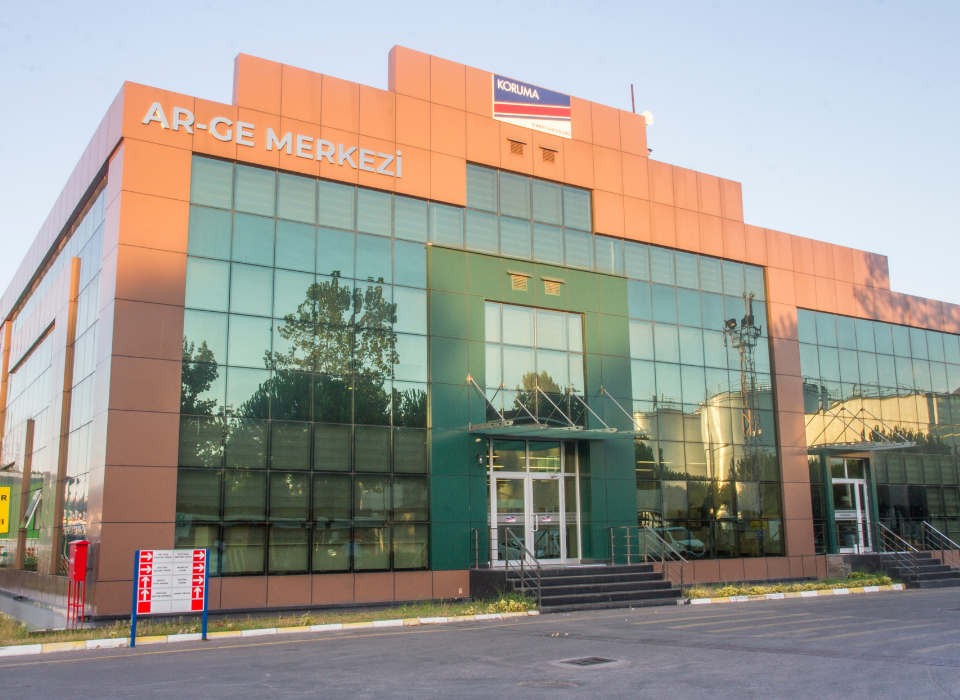
The FLEX-CIRC-CO₂ project, in which Koruma Klor Alkali R&D Center is one of the consortium partners, received a perfect…
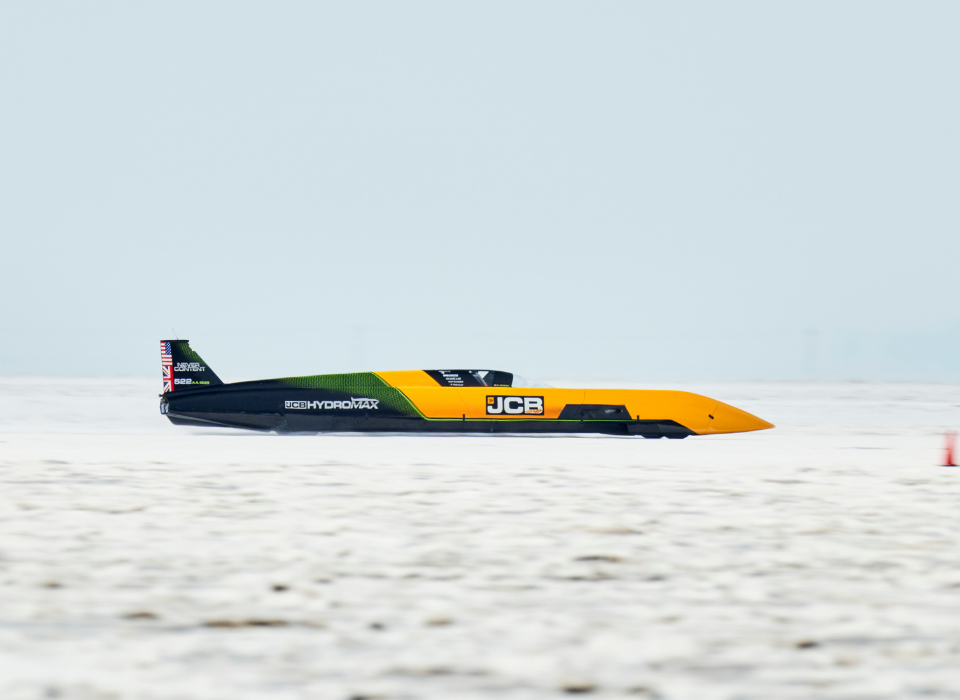
British engineering company JCB set a new world land speed record in the hydrogen internal combustion engine vehicle ca…
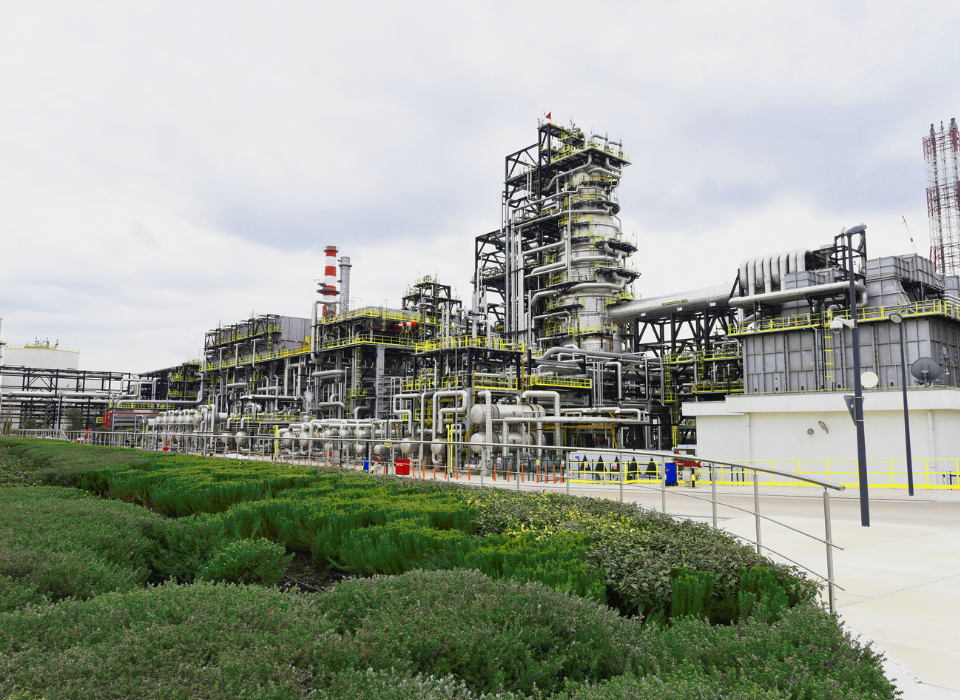
Tüpraş, one of Türkiye's leading energy companies, continues its work on clean hydrogen technologies in line with its l…

Hyundai Motor Company has published its 2026 Sustainability Report. The report shared progress made in renewable energy…

Carbon dioxide (CO₂) separation is critically important across a wide range of technologies, from natural gas purificat…

Innovative solutions for the decarbonization process in the cement sector were discussed at the first event of the webi…
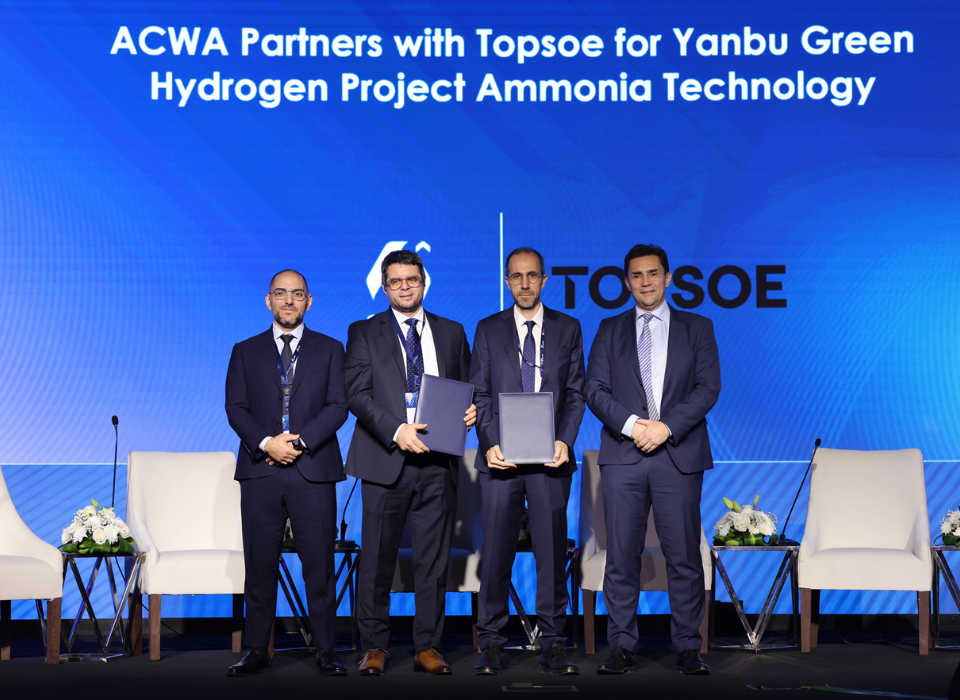
Danish high-tech company Topsoe has been selected as the ammonia synthesis technology supplier for ACWA Power's 4.4 GW …

The sports and entertainment sectors consume energy across a wide range of applications, including movable equipment, g…
Kumho Mitsui Chemicals (KMCI) has upgraded its Methylene Diphenyl Diisocyanate (MDI) production process using thyssenkr…
The Hidroana team, made up of Eskişehir Technical University students supported by Akfen Yenilenebilir Enerji and devel…
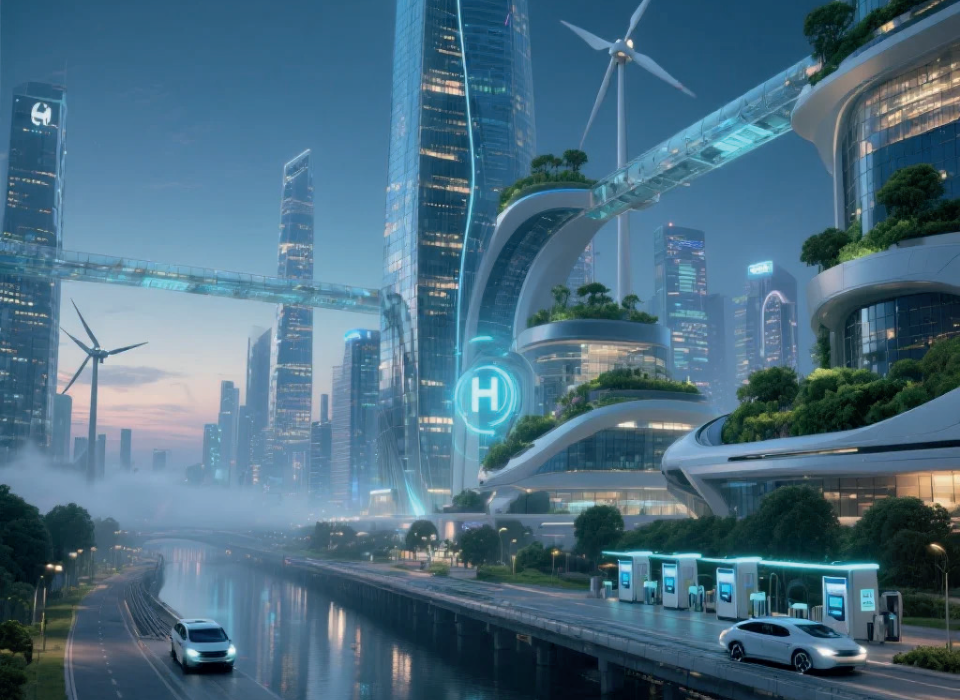
In the first part of our article series on hydrogen energy, we focused on the question of why hydrogen as an energy car…

Hyundai Motor Group is one of the brands turning sustainable mobility into a concrete solution for today, not just a fu…
The HYDROMOD project, developed under the coordination of Akfen Yenilenebilir Enerji, has secured EUR 3.4 million in gr…
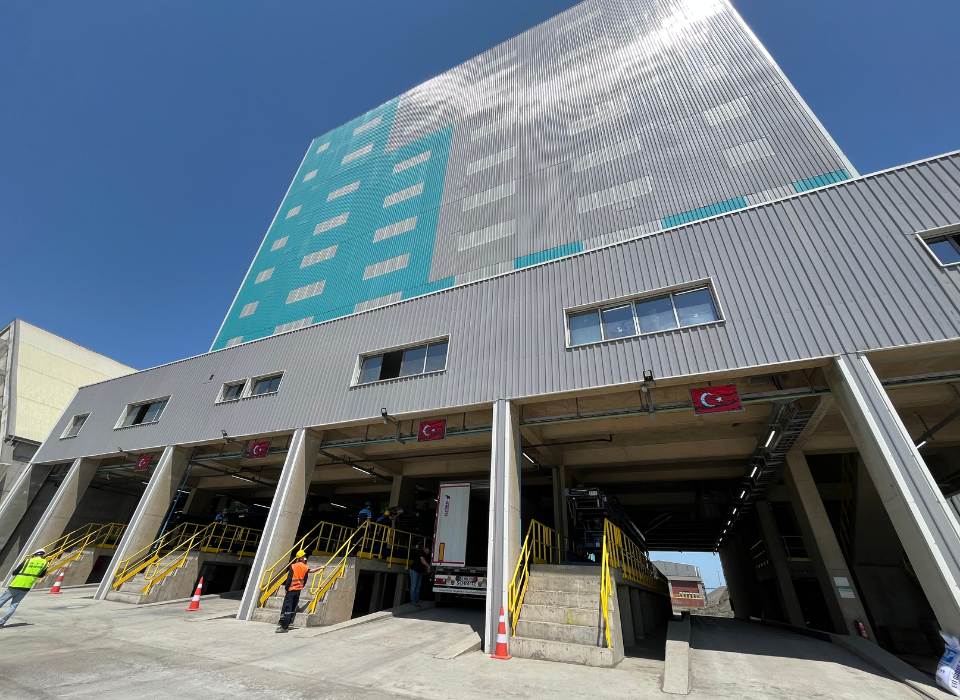
Eti Bakır, the only company in Türkiye capable of production from ore to final product, has started production at its f…
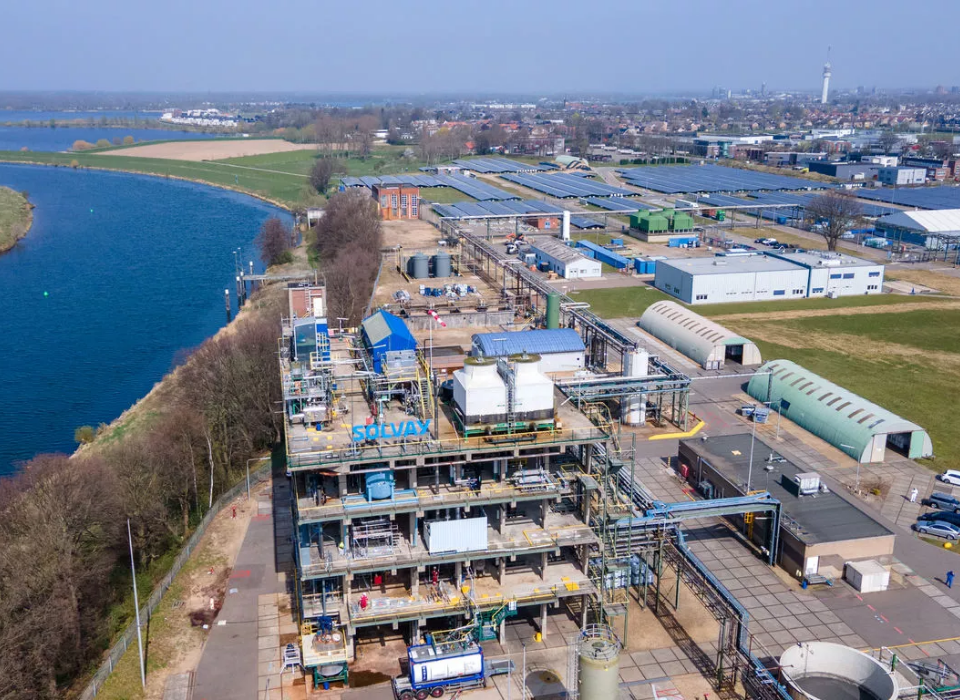
Lower-carbon sourcing for Solvay's Linne Herten plant drives over 50% raw material footprint reduction.
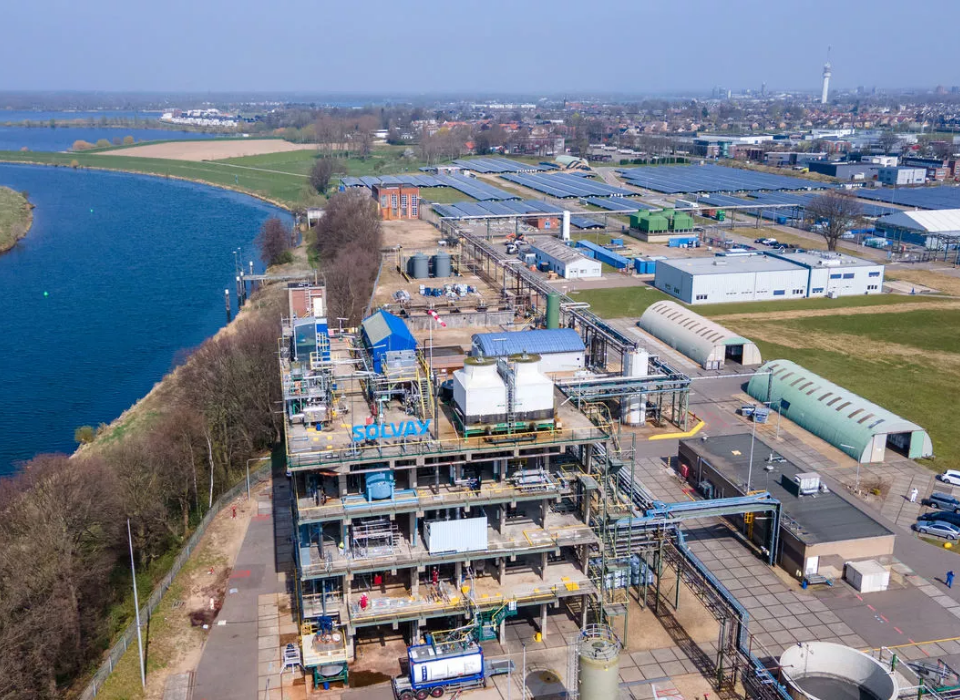
Solvay's Linne Herten facility achieves a low-carbon supply, reducing its raw-material-related footprint by over 50%.
Through the partnership, Aramco aims to accelerate industrial carbon reduction and grow the hydrogen economy.

The plant will have a capacity of up to 110,000 tons per year of circular methanol and up to 1,500 tons per year of cir…
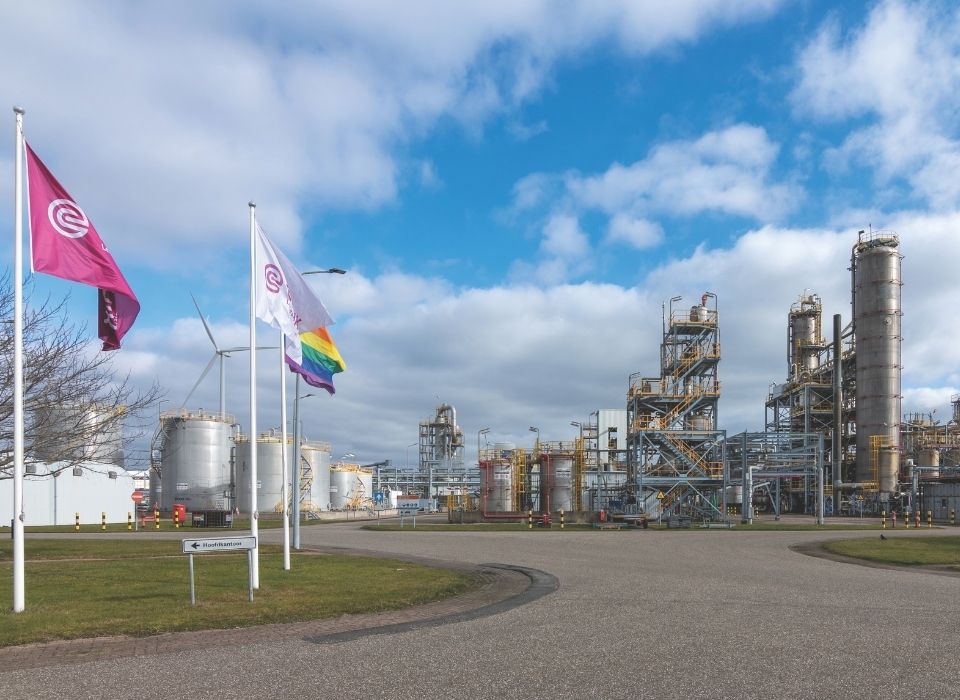
Evonik has signed a term sheet with Dutch company VoltH2 to advance green hydrogen production at the Delfzijl chemical …
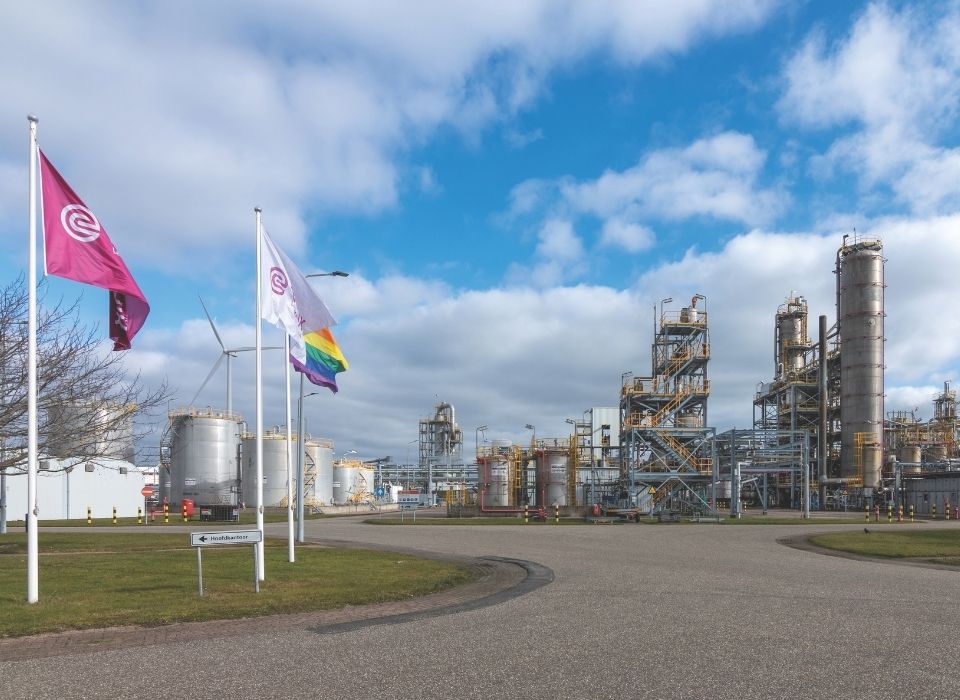
Evonik has signed an agreement with the Dutch company VoltH2 to develop green hydrogen production at its Delfzijl chemi…
Kimya sanayiini oynayarak tanıyın: her hafta yeni bulmaca, etkileşimli periyodik tablo, sektöre özel oyunlar ve ücretsiz hesaplayıcılar.
Deneyiminizi iyileştirmek ve site kullanımını ölçmek için çerez kullanıyoruz. Ayrıntılar Çerez Politikası ve KVKK Aydınlatma Metni'nde.