
Reklam




Ana SayfaHome › Hammadde & ÜrünRaw Materials & Products › Adhesive
Adhesive is the family of chemical products that bonds two surfaces together and carries the connection without using mechanical fasteners (screws, rivets, welding). In modern manufacturing, bonding is not just a joining method but also a design decision: it spreads the load over a wide area, allows the joining of different materials (metal–plastic, glass–composite), and adds no weight to the structure.
Adhesive is a polymer system applied in liquid or paste form that subsequently cures and solidifies. Bonding occurs through two mechanisms working together: adhesion (the adhesive's attachment to the surface) and cohesion (the adhesive's own internal strength). In a good bond, failure occurs in the material itself rather than in the adhesive layer.
In the industry, "adhesive" and "sealant" are often mentioned together, but their functions differ: adhesive carries load, while sealant fills gaps and provides sealing. Since both products can be manufactured from the same chemical family (polyurethane, silicone, MS polymer), manufacturers usually run both lines together.
Production is largely a matter of formulation rather than reaction. A base polymer (polyurethane prepolymer, epoxy resin, acrylic dispersion, cyanoacrylate monomer) is taken, and filler, rheological additive, adhesion promoter (silane), plasticizer, curing catalyst and stabilizer are added. The mixture is homogenized under vacuum in high-viscosity mixers — keeping out moisture and air is critical, especially in moisture-curing systems.
There are three main paths depending on the curing mechanism:
| Type | Key feature | Typical use |
|---|---|---|
| Polyurethane (PU) | Flexible, impact-resistant, bonds different materials | Automotive glass, wood panels, construction elements |
| Epoxy | High structural strength, chemical resistance | Metal assembly, composite repair, electronics |
| Cyanoacrylate | Cures within seconds | Small part assembly, quick repair |
| Acrylic (water-based) | Low VOC, easy application | Labels, packaging, paper conversion |
| MS polymer / hybrid | Isocyanate-free, paintable, elastic | Construction joints, panel installation |
| Hot-melt | Solidifies within seconds, solvent-free | Packaging, bookbinding, hygiene products |
| Anaerobic | Cures between metal surfaces in an oxygen-free environment | Bolt locking, thread sealing |
Adhesive is one of the most horizontal product groups in the chemical industry; it has an application in almost every manufacturing branch.
In Türkiye, adhesive and sealant production is an area shaped by demand from the construction and furniture sectors, with numerous domestic formulators active in the field. While a significant portion of base polymers (isocyanate, epoxy resin, acrylic monomer) is imported, formulation, filling and technical service are largely carried out domestically. This structure directly reflects exchange rate volatility onto product costs.
Three topics stand out on the sector's agenda: the shift from solvent-based systems to water-based and solvent-free systems (VOC regulations and occupational health), isocyanate-free chemistries (the growing share of MS polymer and hybrid systems), and debondable adhesion (the ability to separate products at end-of-life, required for recycling). You can follow current developments on these topics in the news feed below.
When selecting an adhesive, the following headings are the first to be checked on the datasheet. Since values vary widely depending on the product family, the table below should be read as a comparison framework rather than as absolute limits.
| Parameter | What it indicates | Typical range |
|---|---|---|
| Lap shear strength | The load on the bond in the shear direction | 1–40 MPa (upper end for structural epoxies) |
| Elongation at break | Flexibility; critical for joints subject to movement | 2% (epoxy) – 400% (PU, MS polymer) |
| Open time | Assembly window after application | Seconds (hot-melt) – 60 minutes (PU) |
| Full cure time | Time to reach final strength | 24–72 hours (room temperature) |
| Service temperature | Continuous operating range | −40°C … +120°C; up to +200°C for silicone |
| Viscosity | Determines the application method | Liquid, thixotropic paste, film |
All these values are measured on a standard test surface. In actual application, surface energy, cleanliness and joint geometry alter the result significantly; therefore, sample testing does not replace the datasheet but complements it.
Adhesive is designed to carry load; it provides the mechanical strength of the joint. Sealant, on the other hand, is used to fill gaps and provide sealing; it is expected to tolerate movement but is not expected to carry structural load. Both products can be manufactured from the same chemical family.
It is preferred when the load needs to be spread over a wide area, when different materials are being joined (such as metal–composite), when drilling/welding would compromise the integrity of the structure, and when weight is critical. Unlike point fasteners, it does not create stress concentration.
In many applications, yes. Water-based systems have longer drying times and are limited on non-porous surfaces; however, they offer a clear advantage in terms of VOC emissions, fire risk and occupational health. On lines where application speed is critical, hot-melt systems offer an alternative.
Adhesion occurs at the molecular layer where the adhesive contacts the surface. Oil, dust, an oxide layer or mold-release residue blocks this contact, and the joint fails well below the adhesive's own strength. Pretreatments such as cleaning, sanding, flame treatment or plasma treatment are therefore considered part of the formulation.
Moisture-curing systems (PU, MS polymer, cyanoacrylate) react with atmospheric moisture once the package is opened; the cap must be sealed tightly and the product stored in a cool, dry environment. In two-component systems, the components have separate shelf lives, and once mixed, the "pot life" is limited.
The flexible packaging industry has undergone a significant transformation in recent years due to increasing food safet…
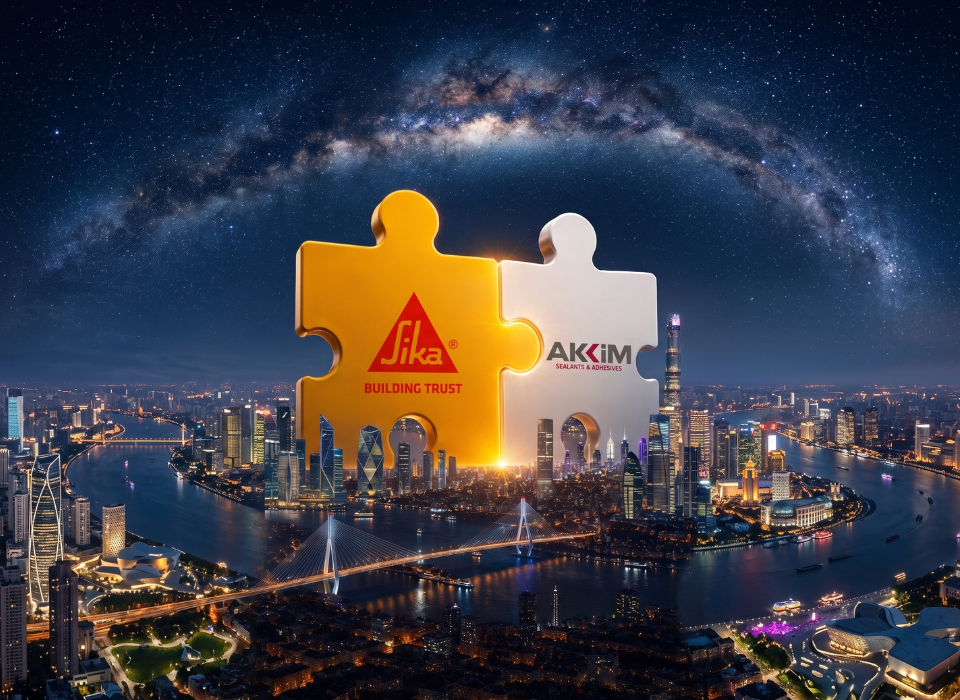
Sika has completed the acquisition of Akkim, a Türkiye-based manufacturer of sealants and adhesives. The strategic acqu…

The acquisition of Netherlands-based Van Asperen Kleefstoffen strengthens APPLIED’s presence in the European market.

The acquisition of Netherlands-based Van Asperen Kleefstoffen strengthens APPLIED's presence in the European market.

With a history dating back to 1933, SABA stands out for the strong connections it has built between people, materials a…
Bostik, one of the leading global companies in adhesives and sealants, develops reliable solutions for professional app…
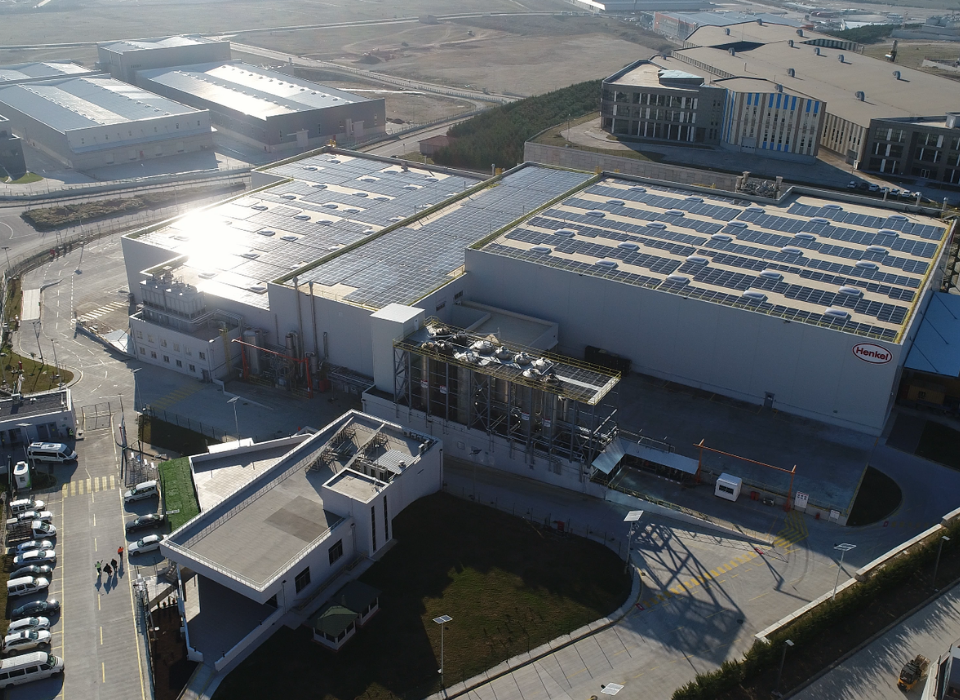
Henkel has brought its GEBKİM Adhesive Technologies Plant in Kocaeli to carbon-neutral production. Together with the İs…

Henkel's advanced adhesive solutions played a significant role in the completion of the central towers of Sagrada Famil…
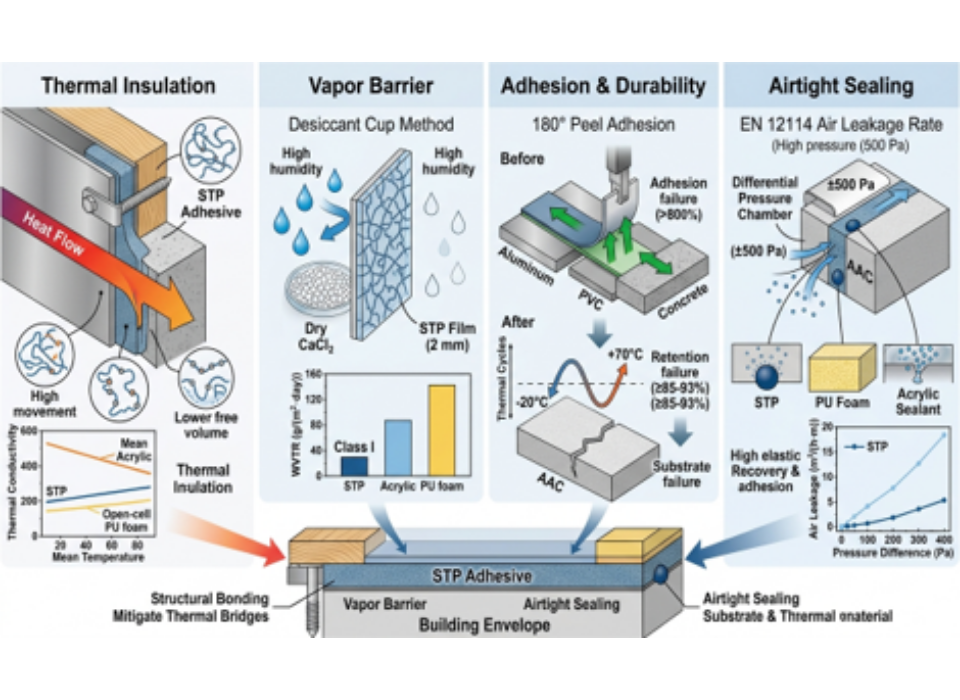
Modern building envelopes are increasingly required to satisfy conflicting demands: high thermal resistance, near-zero …
Henkel has made its GEBKİM Adhesive Technologies Factory in Kocaeli carbon-neutral. With this step, following the earli…
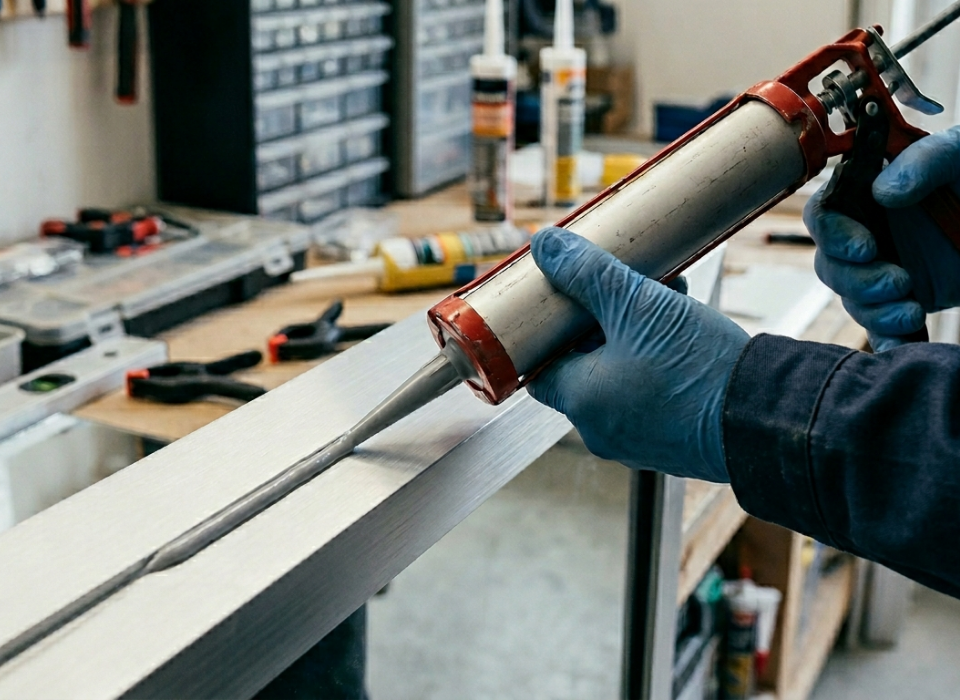
In the world of industrial assembly, few materials offer the versatility, durability and sheer bonding strength that po…
H.B. Fuller's new North Carolina facility, set to open in 2027, will serve as a specialized hub for high-performance ae…
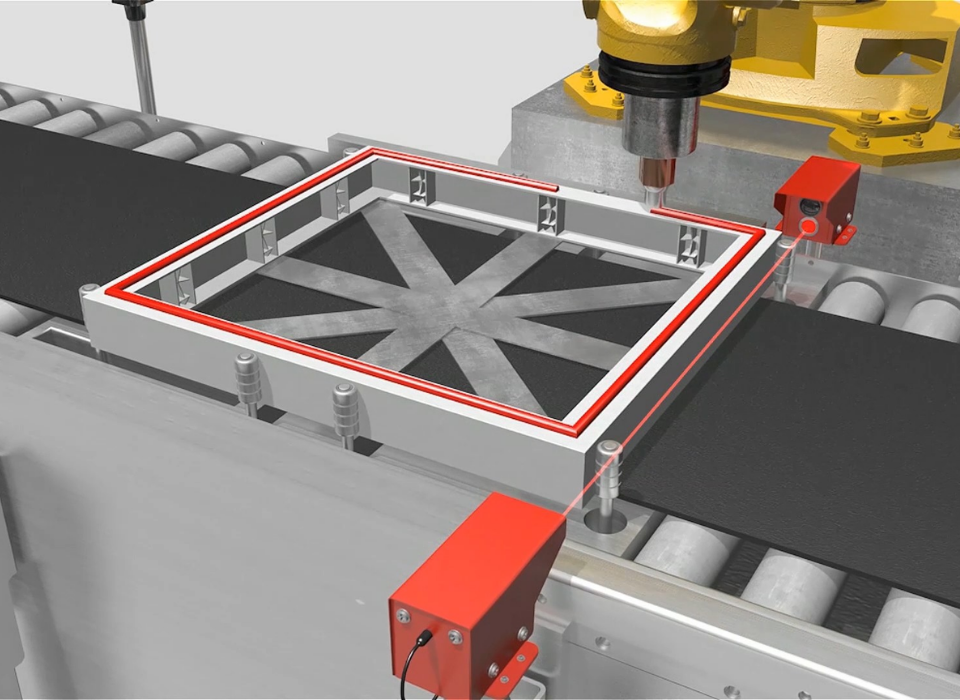
Henkel's new polyurethane hotmelt adhesive offers manufacturers a flexible production solution for high-reliability, co…

The acquisition enhances APPLIED Adhesives' ability to provide integrated solutions and faster, more responsive custome…

Through this acquisition, APPLIED Adhesives aims to enhance its capacity to offer integrated solutions while providing …

Polyurethanes are among the polymer systems used in many applications, especially in the footwear sector, thanks to pro…

ADAS technologies have become an automotive mainstay, RADAR being one of the most established among them. Despite this,…
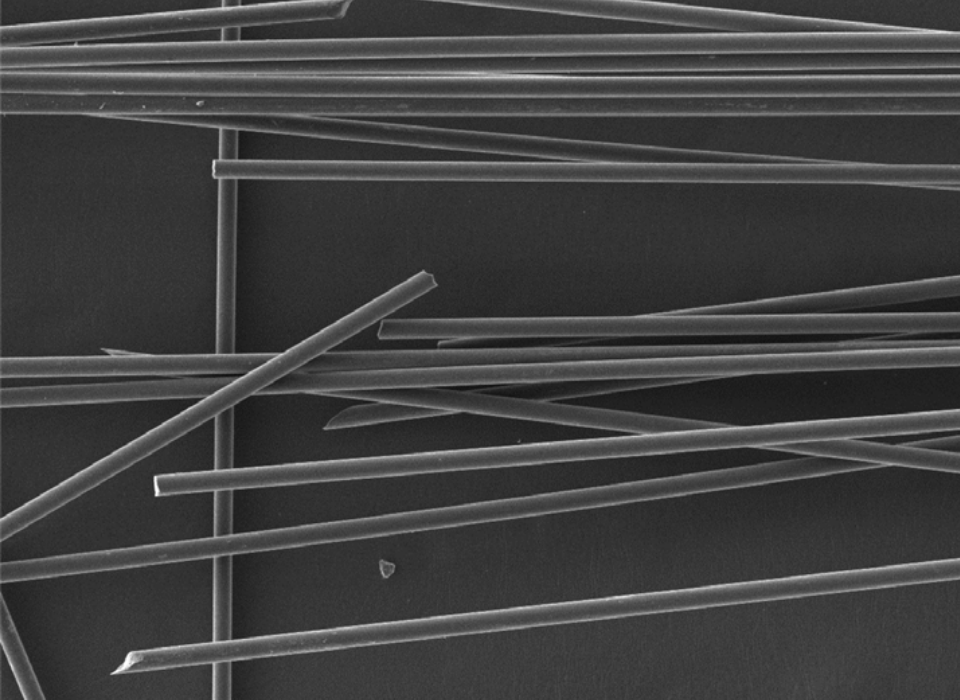
Epoxy resins are coatings and adhesives used in many common applications such as construction, engineering and manufact…

Sika has agreed to acquire Akkim, a leading global manufacturer of adhesives and sealants based in Turkey.

Sika has agreed to acquire Akkim, a Türkiye-based company and one of the leading global manufacturers of adhesives and …
Songwon's high-performance stabilizer solutions are reaching the paints and adhesives sector in more markets through Bi…
APPLIED Adhesives has taken a significant step in its global growth strategy with the acquisition of Interlock Adhesive…
APPLIED Adhesives has taken a significant step in its global growth strategy with the acquisition of Interlock Adhesive…
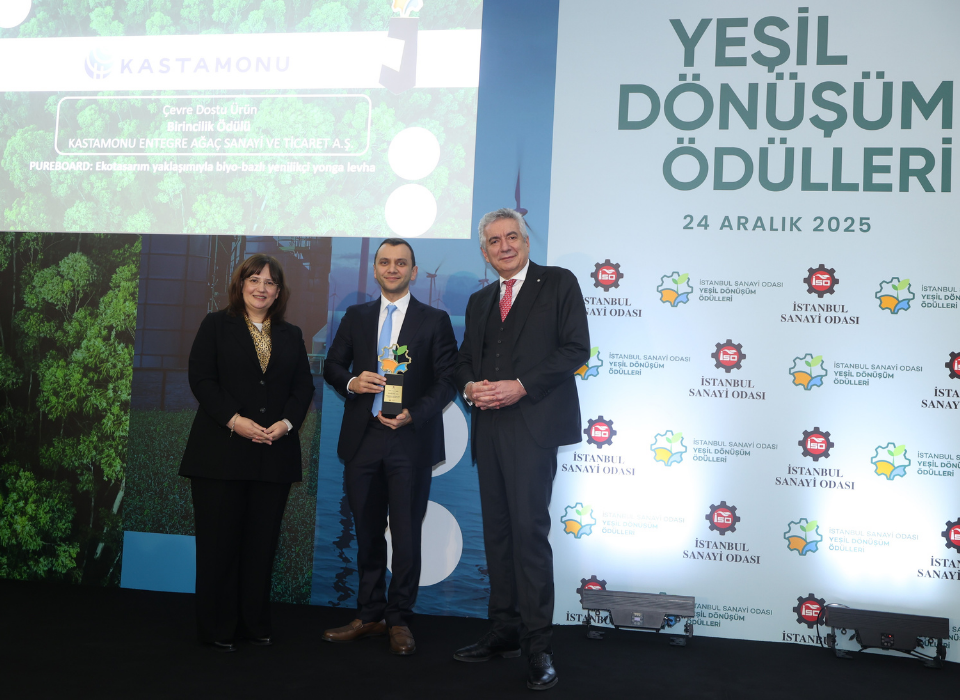
PureBoard, developed by Kastamonu Entegre with an innovation approach focused on environmental and human health, won fi…
Kimya sanayiini oynayarak tanıyın: her hafta yeni bulmaca, etkileşimli periyodik tablo, sektöre özel oyunlar ve ücretsiz hesaplayıcılar.
Deneyiminizi iyileştirmek ve site kullanımını ölçmek için çerez kullanıyoruz. Ayrıntılar Çerez Politikası ve KVKK Aydınlatma Metni'nde.