Recycling the Non-Recyclable
Epoxy resins are coatings and adhesives used in many common applications such as construction, engineering and manufacturing. However, recycling or responsibly disposing of them is often difficult. For the first time, a team including researchers from The University of Tokyo has developed a method to efficiently recover materials from various epoxy products for reuse, using a new solid catalyst.
Epoxy resins are coatings and adhesives used in many common applications such as construction, engineering and manufacturing. However, recycling them or disposing of them responsibly often presents challenges. For the first time, a team that includes researchers from The University of Tokyo has developed an efficient method to recover materials from various epoxy products for reuse by employing a new solid catalyst.
As you read this, there is a high probability that you are surrounded by epoxy compounds. Because of their insulating properties, they are used in electronic devices; because of their binding properties and physical durability, they are used in clothing such as shoes; for similar reasons, they are used in building construction; and because of their ability to contain high-strength materials such as carbon fiber or glass fiber, they are used in aircraft fuselages and wind turbine blades. It is difficult to overstate the importance of epoxy products in the modern world. However, despite all their applications, they have an inevitable disadvantage: epoxy compounds are fundamentally plastics and, after use or at the end of the life of a product containing epoxy, disposing of them is quite difficult.
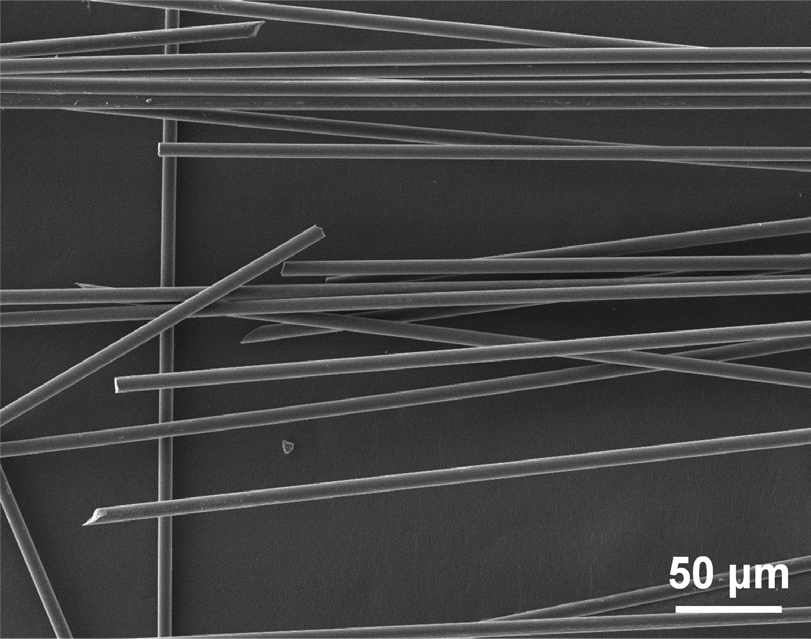
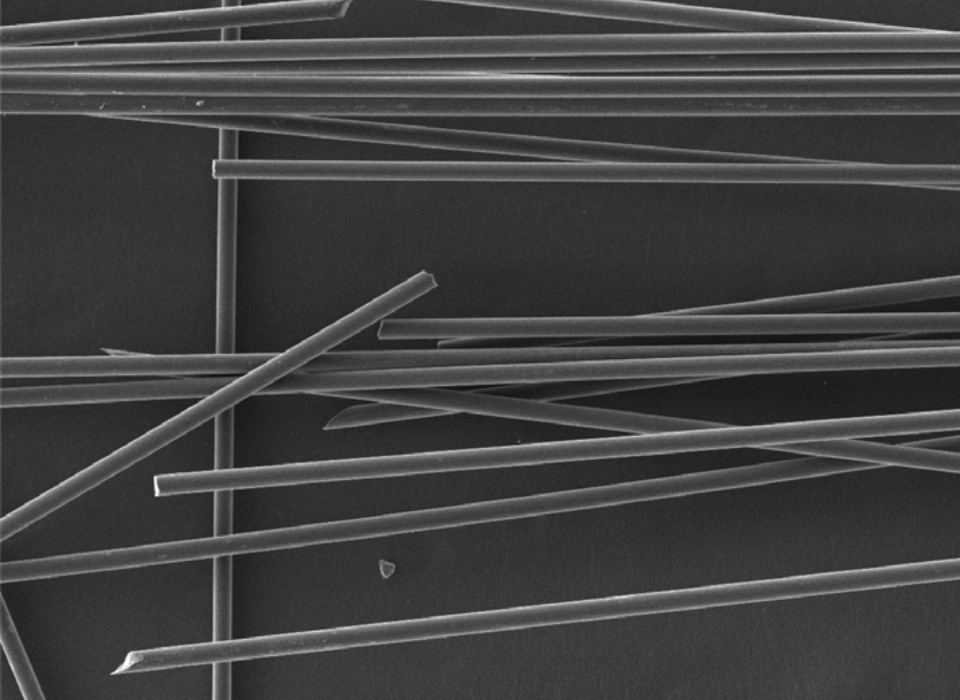
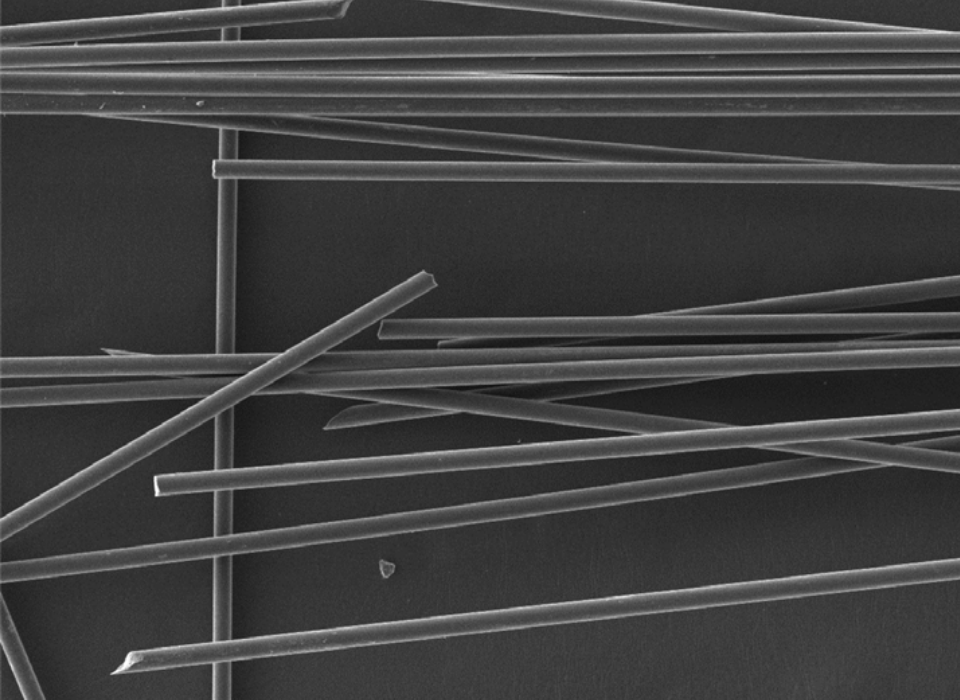
Close-up view of recovered carbon fibers. This image obtained from a scanning electron microscope shows the quality of carbon fibers recovered following the decomposition process. ©2025 Jin et al. CC-BY-ND
"For example, to decompose fiber-reinforced plastics that could be used in aircraft parts, temperatures above 500 degrees Celsius or strong acidic or basic conditions are required. These have an energy cost, and harsh conditions can damage the fibers and other components that are intended to be recovered," said Xiongjie Jin, Associate Professor at The University of Tokyo. "To solve this problem, a relatively new process called catalytic hydrogenolysis shows promise; however, existing catalysts cannot be reused because they dissolve in the solvent where epoxy decomposition occurs. For this reason, we developed a new solid catalyst that can be easily recovered and reused."
Jin and Professor Kyoko Nozaki from the Department of Chemistry and Biotechnology, along with their teams, developed an efficient and durable catalyst that can decompose epoxy compounds into carbon fibers, glass fibers and phenolic compounds, which are important raw materials for the chemical industry. This catalyst is called "bimetallic" because it contains two metals—nickel and palladium—supported on cerium oxide and jointly directs the reactions between epoxy resins and hydrogen gas. While the reaction temperature needs to be approximately 180 degrees Celsius, the energy requirement is much lower compared to creating 500-degree conditions; furthermore, lower temperatures enable the recovered materials to be reusable.
"We were pleased to see that our experimental results largely matched our expectations regarding how this process would work; however, we experienced a pleasant surprise when we found that the catalyst could be reused at least five times without any decline in performance," said Jin. "Because our catalyst is effective at breaking carbon-oxygen bonds, with some modifications it could work on other plastics as well, since they also contain these bonds."
The team now wants to explore ways to further develop their methods and materials; as this approach may still need development to become a more commercially viable option.
"Although our catalyst does not require such high temperatures, there is still room for improvement in reducing the environmental impact of the solvent we currently use," said Nozaki. "We also want to reduce costs by finding a catalyst that does not contain a precious metal like palladium. Additionally, it may be possible to expand the range of materials that can be recovered from different epoxy compounds; this would reduce the environmental burden of these extremely versatile and useful plastics."
Gallery