Heart Checkups Should Not Be Neglected in Children
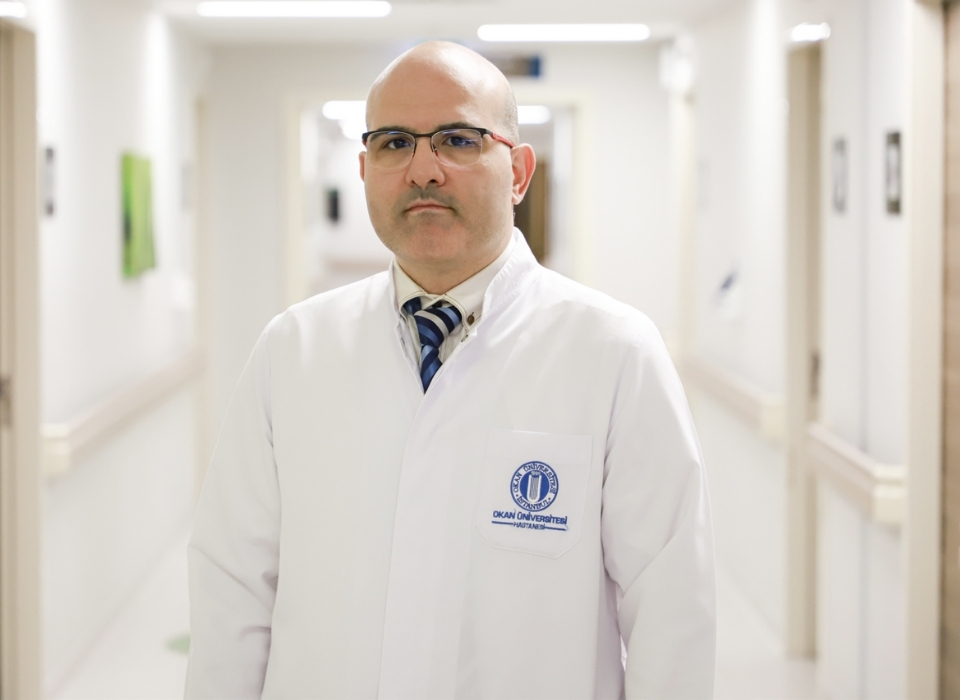
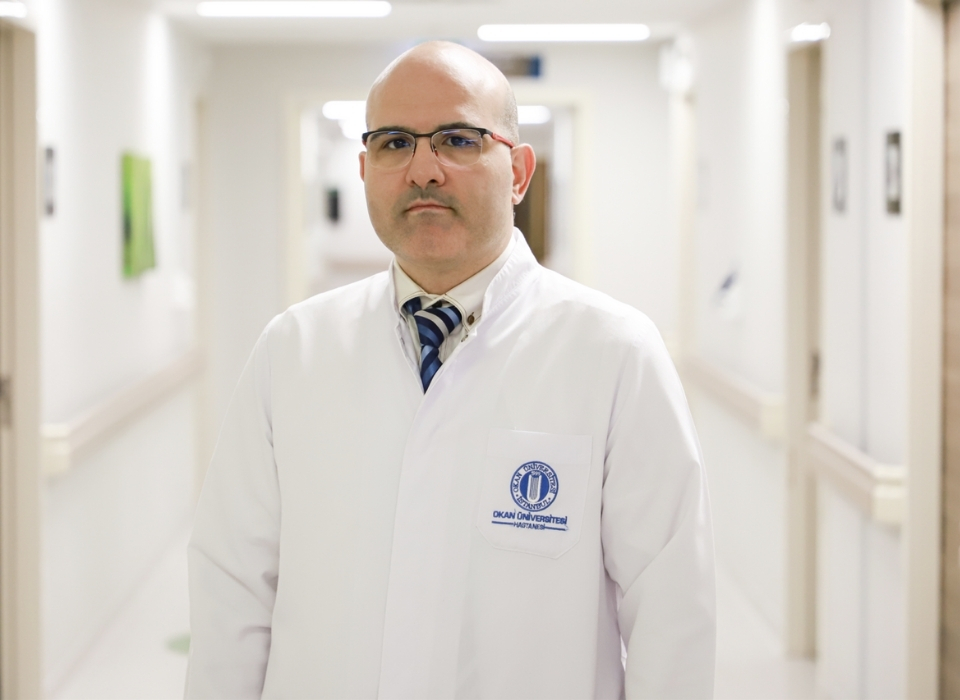
Heart diseases seen in children encompass congenital and acquired heart conditions. These diseases can develop from birth or emerge at later stages. Specialist Doctor Hasan Tahsin Tola from the Pediatric Cardiology Department of Istanbul Okan University Hospital has detailed heart diseases seen in children for you.
Pediatric Heart Diseases
Examined in 5 categories
- CHD
- Arrhythmic Heart Diseases
- Acquired Heart Diseases
- Cardiomyopathies
- Family members with SCD
What Is Congenital Heart Disease (CHD)?
CHD is a hereditary disease. It is an inborn defect in the human body. Patients often complain of various symptoms accompanied by murmur and cyanosis. Among these symptoms are: poor weight gain, delayed developmental and nutritional growth, motor developmental delay, blueness (cyanosis-spell-squatting), rapid breathing (tachypnea dyspnea), exercise intolerance, feeding intolerance, heart murmur, chest pain, palpitation, fainting (syncope), and others. Some patients are more severely affected, and in these individuals, life-threatening cyanotic episodes in infancy, developmental delay, and cardiological damage may develop. Many patients have murmurs and accompanying heart holes and valve stenosis. For this reason, another name is 'CHD'.
How Frequently Does It Occur?
It is a rare disease. It occurs in approximately one per 100 live births and is the most common anomaly among all live births, the most frequent congenital lesion. It can be seen in all races. CHD occurs with equal frequency in both sexes.
What Are the Causes of the Disease?
CHD is a hereditary disease. There are different genes responsible. These gene defects lead to CHD. The disease has many causes. These include prematurity—birth history before 37 gestational weeks, multiple pregnancies, intrauterine infection; maternal flu or flu-like illness, rubella infection, maternal factors; prematurity, hypertension, diabetes mellitus, phenylketonuria, thyroid disorders, systemic connective tissue diseases, maternal age >40 years, epilepsy and syndromes, and maternal smoking during the first trimester, medications used by the mother during pregnancy (retinoic acid, phenytoin, ACE inhibitor, thalidomide, lithium, NSAIDs), use of assisted reproduction techniques, CHD history, in first-degree relatives, in second-degree relatives, heterotaxy syndromes, RVOTO lesions, conotruncal lesions, isolated ASD, isolated VSD.
Is the Disease Hereditary?
CHD is inherited in a polygenic multifactorial manner. There is no single responsible gene. According to this, for CHD to develop in a person, it can occur even if no one in the family has it besides the mother and father. In infants with first-degree relatives (i.e., parents or siblings) with nonsyndromic isolated CHD, the risk of CHD is estimated to be three to four times higher than in the general population. The risk varies significantly depending on the type of CHD and whether the mother, father, sibling, or multiple family members are affected. Left-sided obstructive lesions carry a higher recurrence risk; D-transposition of the great arteries carries a lower recurrence risk.
'Its Primary Manifestations in the Newborn Period Are Murmur and Cyanosis'
The primary manifestations of the disease in the newborn period are murmur and cyanosis. Some infants have no complaints in the newborn period; pulse oximetry screening can be performed in these cases to diagnose severe CHD lesions. This method is mandatory in the United States. Some doctors in Turkey also apply it. Pulse oximetry is applied by placing sensors on the right arm and right foot. If the difference between them is greater than 3%, it is considered significant. Some individuals are more severely affected, and in these cases, life-threatening cardiogenic shock and cardiological damage can develop in infancy. This is entirely related to the type of CHD. CHD that requires catheter or surgery-based intervention within the first year after birth is called critical CHD. These are divided into two groups: ductus arteriosus-dependent and cyanotic.
Is It the Same in Every Child?
The disease is not the same in every child. Depending on the type of heart defect or valve stenosis present or on the missing heart structure, the disease course can be fatal or may involve lesions such as ASD-VSD-PDA that require no intervention and resolve or close with age.
Is It Different in Children and Adults?
As the patient grows, some CHDs show a tendency to improve, while for others we lose the patient after no intervention in the newborn period. Some CHDs require sequential procedures. In adult patients, CHD requires a separate specialty. Their follow-up shows a different course from other CHDs and adult heart diseases.
How Is It Diagnosed?
Definitive diagnosis is made with echocardiographic analysis. Other tests such as ECG, pulse oximetry screening help identify individuals with CHD and lead to diagnosis by facilitating echocardiography. Genetic analysis can provide guidance in some diseases.
What Are Other Important Tests?
Cardiac angiography for diagnostic and therapeutic purposes and cardiac imaging tests including cardiac CT, cardiac MR, three-dimensional echocardiography, and TEE can also assist us during diagnosis.
Is Treatment or Complete Recovery Possible?
Some CHDs improve spontaneously on their own. Some respond to medical treatment, while some require catheter or surgery-based intervention. The definitive treatment of the disease varies depending on the type of CHD.
How Is the Disease Treated?
In CHD treatment, medical management varies depending on the patient's heart failure and cardiac function. None of these medications are definitively effective; they act to reduce the damage caused by the disease to the heart or prevent or improve existing damage. While the adverse effect profiles vary depending on the type of medication, the medications used are safe in terms of adverse effects.
Gallery