Cellular Aging and Type 2 Diabetes: The Role of Pharmacological Agents in Brain Health

Although Type 2 diabetes is most commonly associated with blood sugar regulation in daily life, its effects on brain health and neurodegenerative processes continue to be a focal point of biomedical research. The molecular and cellular similarities between Alzheimer's disease, the most common cause of dementia worldwide, and Type 2 diabetes suggest that both conditions progress through shared mechanisms.
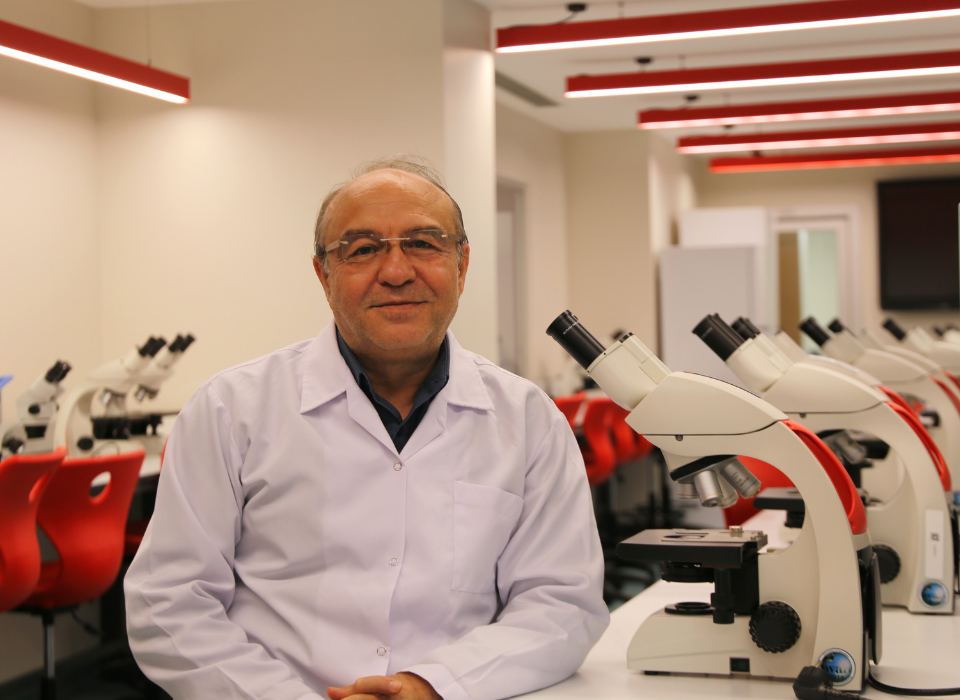
Anadolu Sağlık Merkezi Hastanesi Internal Medicine Specialist Prof. Dr. Cihan Top stated that insulin resistance and chronic inflammation play a fundamental role in both conditions, emphasizing that disruptions in protein processing, autophagy (clearing damaged components) and cellular energy production processes form a common biological ground.
The Relationship Between Insulin Resistance, Muscle Loss and Neurodegeneration
Prof. Dr. Cihan Top drew attention to the fact that brain aging accelerates when blood sugar control cannot be achieved, increasing the risk of cerebrovascular diseases and dementia, and stated that sarcopenia (muscle loss) seen in advanced age directly affects metabolic processes. The decrease in the glucose utilization capacity of muscle tissue increases insulin resistance, disrupting metabolic balance.
In this process, monitoring metabolic parameters is of critical importance in preventing chronic complications. Advanced medical technologies such as glucose sensors and biomarker tracking help keep cellular-level wear under control, particularly during periods when treatment dosages are being adjusted.
GLP-1 Analogs and Metformin: Treatment Approaches That Slow Biological Aging
Current clinical research in the fields of drug chemistry and biotechnology is focusing on the anti-aging and neuroprotective effects of active ingredients used in diabetes treatment.
Prof. Dr. Cihan Top made the following assessments regarding the effects of the pharmacological agents used on cellular aging:
"Metformin is a molecule that, in addition to controlling blood sugar, regulates metabolic pathways at the cellular level. GLP-1 receptor agonists (analogs), on the other hand, mimic the effect of natural hormones that play a role in regulating blood sugar. Preclinical and clinical studies indicate that these active ingredients may slow down biological aging. In particular, modeling studies conducted with molecules such as semaglutide and tirzepatide have observed that aging processes in the brain slow down and can even be reversed at the cellular level. Long-term clinical studies conducted with metformin have also identified mechanisms that extend cellular lifespan."
Advertisement
Ad Space728 × 90