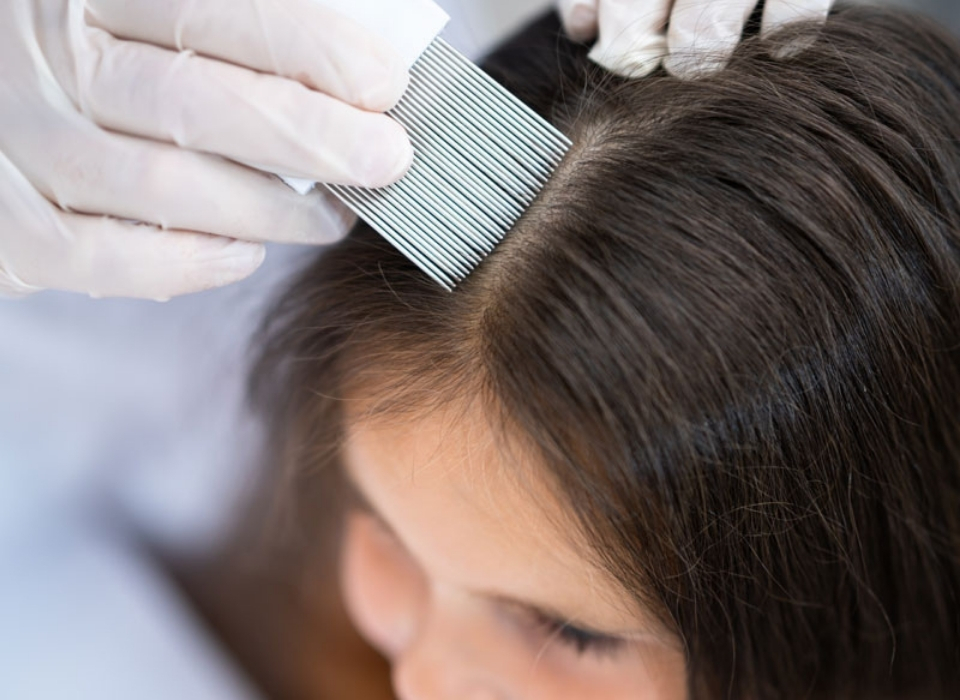
Head Lice Return as Schools Reopen

Head lice are one of humankind's oldest parasites, typically seen more frequently in spring and winter months in temperate and cold climates. Specialist Dr. Orkan Karaca, Director at Genus Pharma Medikal, noted that the frequency of lice sightings increases with the reopening of schools.
Head lice are parasites that appear more frequently in temperate and cold climates, particularly during spring and winter months, and remain present today. Specialist Dr. Orkan Karaca, Director at Genus Pharma Medikal, emphasized that caution should be exercised against head lice with the reopening of schools. In his remarks, Karaca stated: "Many factors such as geographic location, ethnicity, climate and hygienic conditions play an important role in the frequency of occurrence. Head lice are found more frequently in children and in places where people gather together such as schools, dormitories, barracks and prisons. Head lice are 2-4 mm, six-legged blood-sucking insects. Head lice feed by injecting saliva every 3-6 hours. An adult female louse lays 5-6 eggs daily over a period of 30 days. A young louse has a 3-stage life cycle. It becomes a mature louse in 7 days. Lice can survive 3 days outside the host, and nits can survive 10 days."
What is the gold standard for diagnosing head lice?
Orkan Karaca addressed the modes of transmission of lice, stating: "Lice cannot jump, hop or fly; the primary mode of transmission is direct head-to-head contact. Factors such as temperature, humidity and odor can affect transmission. Lice can spread from one person to another through sleeping in the same bed or through hair contact, and the sharing of personal items such as combs, brushes, hats, scarves and clothing. Head lice are found less frequently in males since hair contact is less common with short hair. Head lice are mostly found on the scalp, particularly behind the ears and at the nape of the neck, and they bite the skin to feed on blood, causing itching. The gold standard for diagnosing whether head lice are present is the presence of a live louse on the head. An untrained eye may not be able to distinguish between lice and nits, or may confuse them with dandruff."
If you have been in contact with a person with head lice, you must have yourself checked
Dr. Orkan Karaca emphasized: "In preventing the spread of lice, it is important to identify and treat affected individuals, avoid contact with infested persons and their belongings, refrain from sharing personal items such as combs, hats, clothing or bedding, and pay attention to personal hygiene. Karaca stated: "Items such as brushes, combs, hats, pillowcases and towels must be washed in hot water; items that cannot be washed should be dry-cleaned or kept in tightly sealed plastic bags for 14 days to completely eliminate lice and nits. Additionally, items such as carpets, rugs, sofas and beds should be cleaned with a vacuum cleaner. Everyone who has been in contact with a person infested with head lice must be examined and treated together. Personal items that may contain lice or nits (nits) should not be shared. Head lice are not a sign of illness or uncleanliness. It is possible to rid oneself of head lice with appropriate treatment."
Gallery