
Reklam




Ana SayfaHome › Hammadde & ÜrünRaw Materials & Products › Vitamin
Vitamins are organic compounds that a living organism must obtain from outside sources in small but regular amounts. From a chemical industry perspective, vitamins constitute a high-value-added, strictly regulated fine chemicals field that feeds into the pharmaceutical, food supplement, fortified food, cosmetics and animal feed chains.
Vitamins are neither structural building blocks nor energy sources; they function as cofactors in enzyme reactions or as hormone-like regulators. This is why the required amount is at the milligram or even microgram level — yet deficiency produces direct clinical consequences.
The basic distinction is based on solubility:
| Vitamin | Dominant production route |
|---|---|
| C (ascorbic acid) | Two-step fermentation from glucose + chemical conversion |
| B2 (riboflavin) | Microbial fermentation — has replaced chemical synthesis |
| B12 (cobalamin) | Fermentation only; chemical synthesis is not commercially viable |
| E (tocopherol) | Extraction from vegetable oil distillation residue or synthesis |
| D3 (cholecalciferol) | UV irradiation of a cholesterol derivative from lanolin |
| A (retinol) | Multi-step chemical synthesis |
| B3, B5, B6 | Chemical synthesis |
In recent years the trend has been shifting from multi-step chemical synthesis toward fermentation: fewer steps, less solvent, lower waste. The step following production is typically formulation — protecting the vitamin against heat, oxygen, moisture and light through coating, microencapsulation, adsorption or emulsification.
In Turkey, production of pure vitamin active ingredients is limited; the majority of raw vitamins are imported. By contrast, there is a strong and growing industry in premix production, tablet/capsule filling and food supplement formulation. The food supplement market has been one of the fastest-growing categories in recent years, driven by consumer interest in health.
Key issues on the sector's agenda include: food supplement regulation and oversight (unauthorized health claims, label compliance), supply chain concentration (the concentration of global production of certain vitamins in a small number of facilities, and the resulting price shocks), the growing share of fermentation routes, and new formulations focused on bioavailability. You can follow current developments in the news items below.
| Parameter | What it indicates | Note |
|---|---|---|
| Potency | Biological activity expressed in IU or mg | IU/mg conversion is critical for A, D and E |
| Overage | Excess added during production to meet the label claim by end of shelf life | Ranges from 10–50%, depending on the vitamin |
| Light/oxygen sensitivity | Determines packaging and encapsulation decisions | C, folate and A are highly sensitive |
| Hygroscopicity | Powder flowability and caking | Relevant to carrier selection in premixes |
| Particle size | Blend homogeneity | Risk of segregation |
| Bioavailability | The proportion actually absorbed by the body | Can be improved through formulation |
The most common problem encountered in formulation is component incompatibility: for example, transition metals such as iron and copper accelerate the oxidation of vitamin C and certain B vitamins. The solution is usually physical rather than chemical — sensitive vitamins are coated or incorporated into the blend as separate granules, so that they do not come into contact on the shelf.
For most vitamins, the molecule is identical and the body does not distinguish between the two. The notable exception is vitamin E: there is a difference in biological activity between the natural form (RRR-alpha-tocopherol) and the synthetic mixed form, and this difference is reflected in the unit calculation on the label.
Most vitamins are sensitive to heat, light, oxygen, moisture and pH changes; vitamin C and folate are among the most fragile in this respect. This is why "overage" is applied in formulation: a certain excess is added during production to ensure the labeled value is met by the end of shelf life.
A premix is a pre-homogenized blend of multiple vitamins and minerals on a carrier. This is the only way to evenly distribute microgram-level components across tons of feed or flour; it also allows incompatible components (such as certain minerals and vitamin C) to be kept separate and protected.
A medicine is licensed with a claim to treat or prevent disease and requires clinical data. A food supplement, on the other hand, is placed on the market to support nutrition, cannot carry treatment claims, and is subject to a different notification regime. This distinction directly determines what can be stated on the label.
Global production of certain vitamins is concentrated in a very small number of facilities. A shutdown at one of these facilities — due to planned maintenance, an accident or an environmental inspection — can quickly tighten global supply, causing prices to spike sharply. Buyers try to manage this risk through long-term contracts and multiple suppliers.
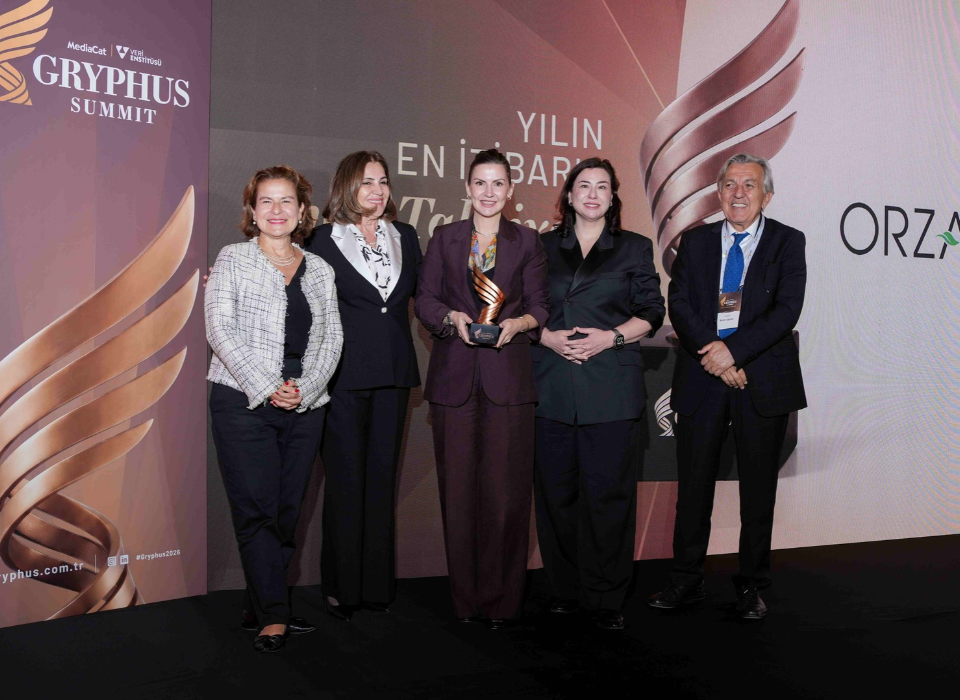

In the weight management process, decreased appetite and reduced food intake can bring about problems such as vitamin a…

As Türkiye's food supplement sector continues to grow, consumer confidence is also rising. According to data from the F…

According to a study conducted by the Food Supplement and Nutrition Association (GTBD) in cooperation with XSights, the…
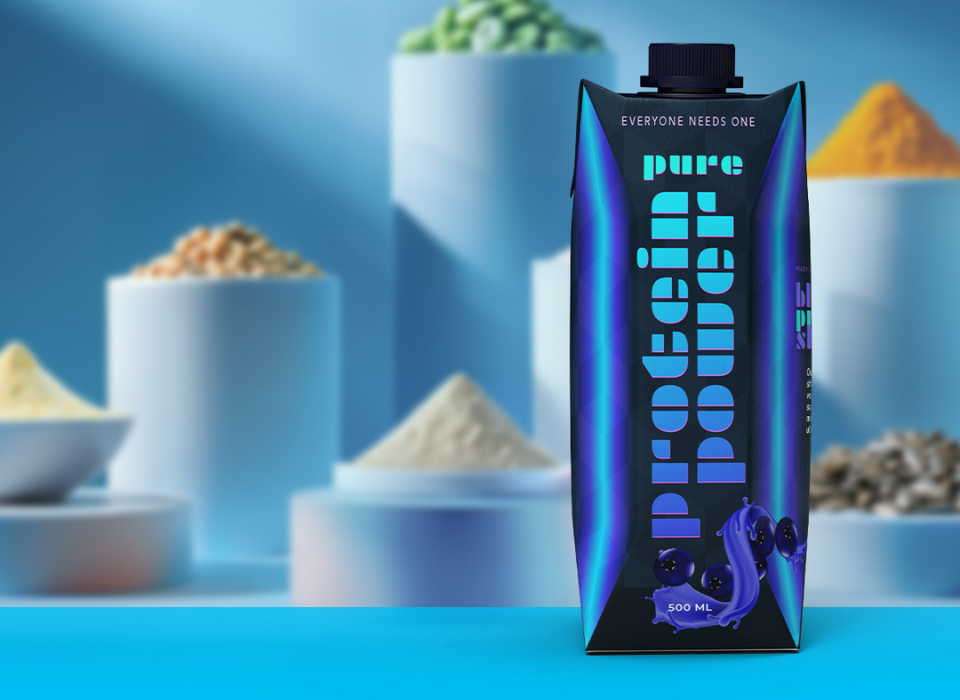
According to Tetra Pak's global research, food supplement and nutrition (FSN) products are growing rapidly, outpacing t…
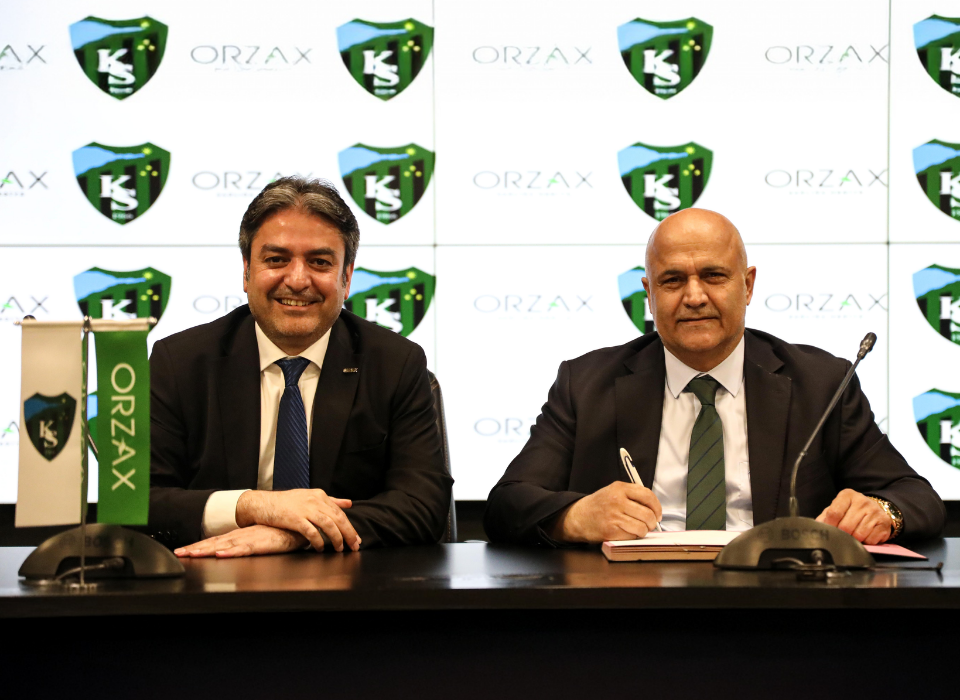
Orzax, which operates under Alyors Group, is taking its support for sports a step further with an official dietary supp…
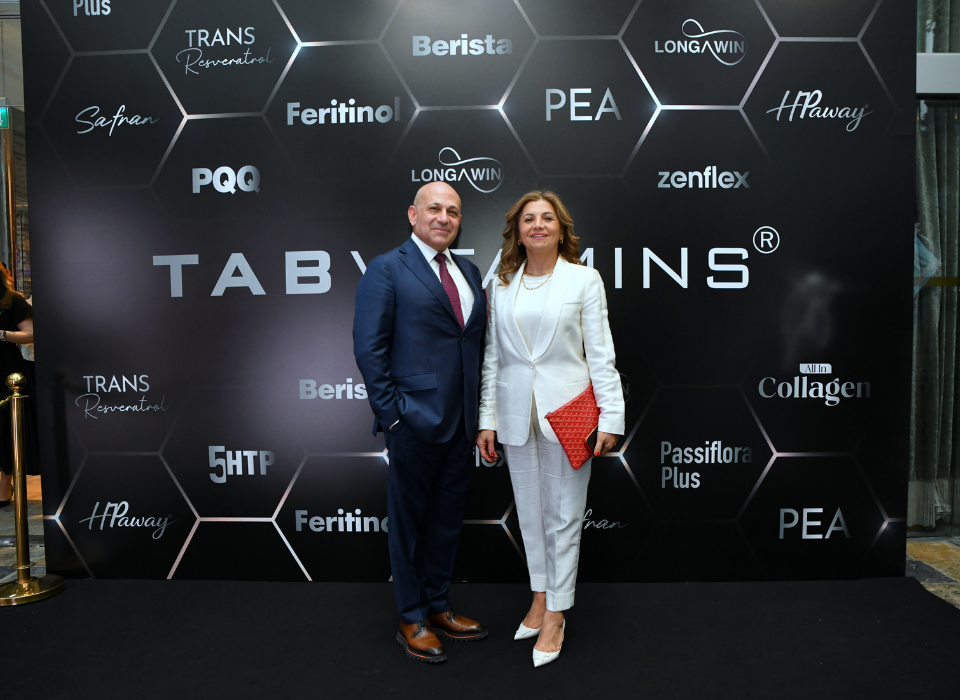
TAB İlaç, continuing its investments in the health and wellness sector, introduced its new-generation vitamin range TAB…
While food supplements, vitamins and aromatherapy products continue their rapid growth worldwide, Turkey stands out as …
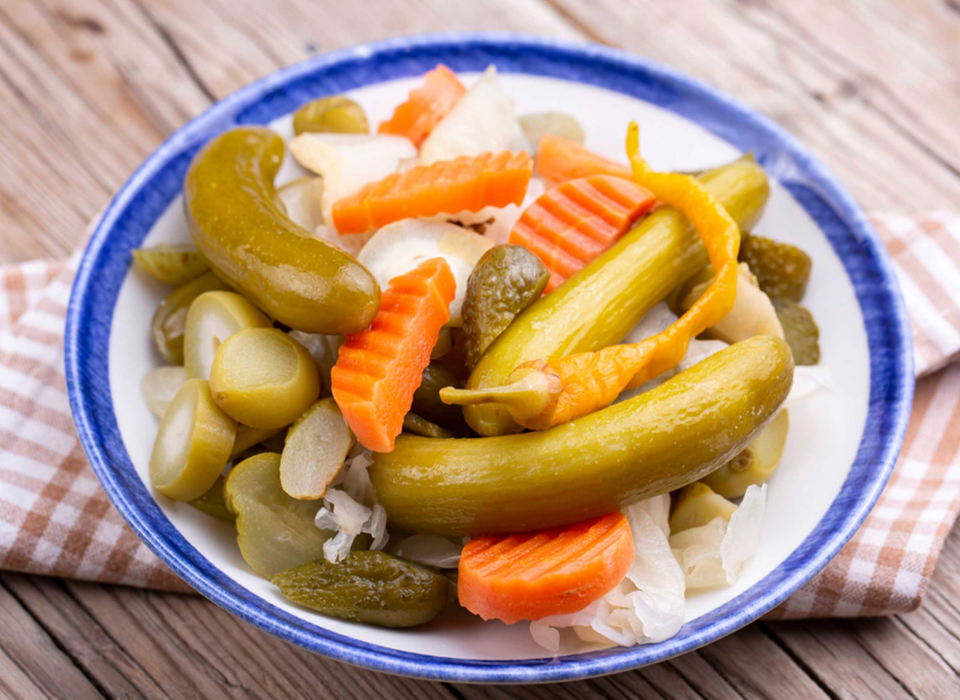
According to Nutrition and Diet Specialist Tuba Örnek, pickles balance stomach acid and support gut health. Beneficial …

As the search for healthy and natural nutrition grows rapidly today, raw honey that has not undergone pasteurization or…
Arun Kedia, General Manager of VAV Yaşam Bilimleri, recognized globally in advanced lipid technologies, addresses the i…

Prof. Dr. Yeşim Yıldırım, Medical Oncology Specialist at Anadolu Sağlık Merkezi Hastanesi, noted that sunbathing is the…

Prof. Dr. Muhsin Konuk, Rector's Advisor at Üsküdar Üniversitesi and Head of the Molecular Biology Master's Program, ex…

The Purest Solutions, known for its environmentally friendly, clean-content products, brings a natural touch to skin ca…
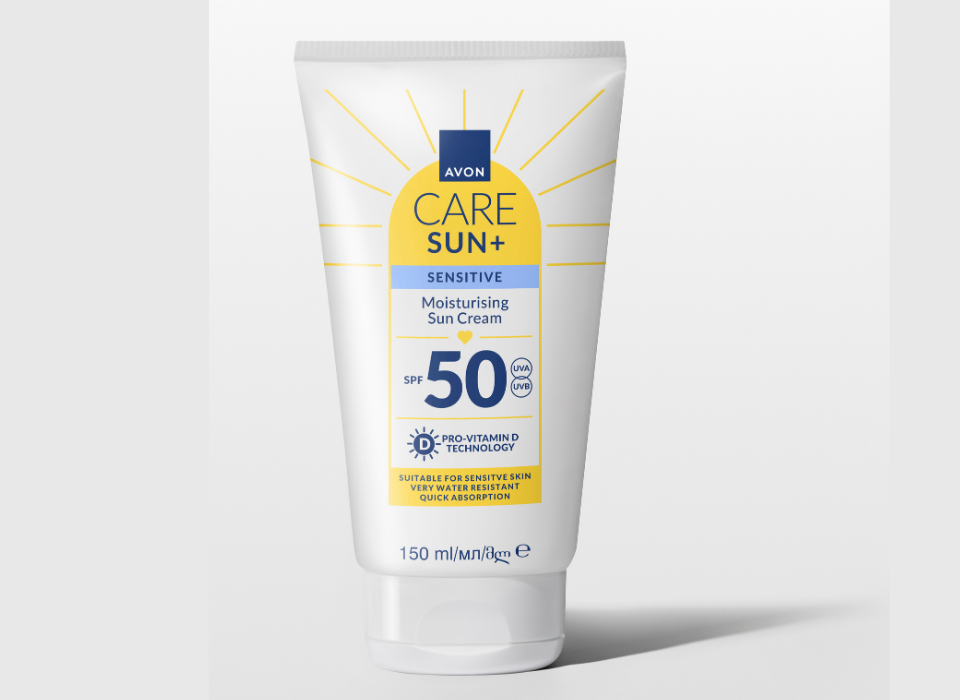
Avon, one of the world's and Turkey's leading personal care and cosmetics brands, is helping consumers achieve bright a…
Kimya sanayiini oynayarak tanıyın: her hafta yeni bulmaca, etkileşimli periyodik tablo, sektöre özel oyunlar ve ücretsiz hesaplayıcılar.
Deneyiminizi iyileştirmek ve site kullanımını ölçmek için çerez kullanıyoruz. Ayrıntılar Çerez Politikası ve KVKK Aydınlatma Metni'nde.