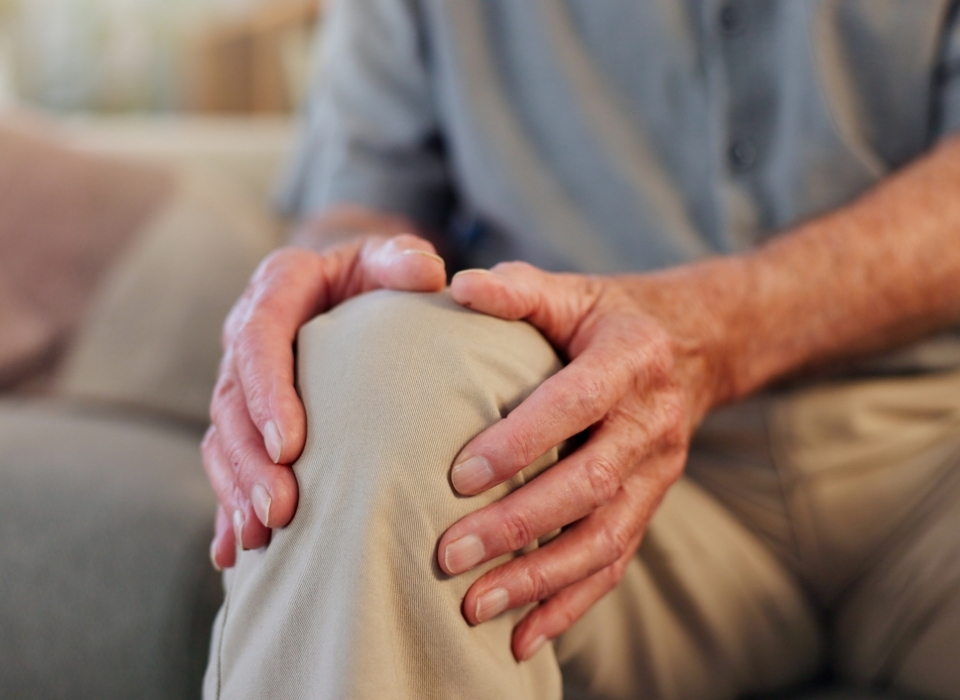
This is a medical/health-related headline, not chemical-industry content, so no specialized chemical terminology applies here. Here's the translation: What Is a Meniscus Tear in the Knee?
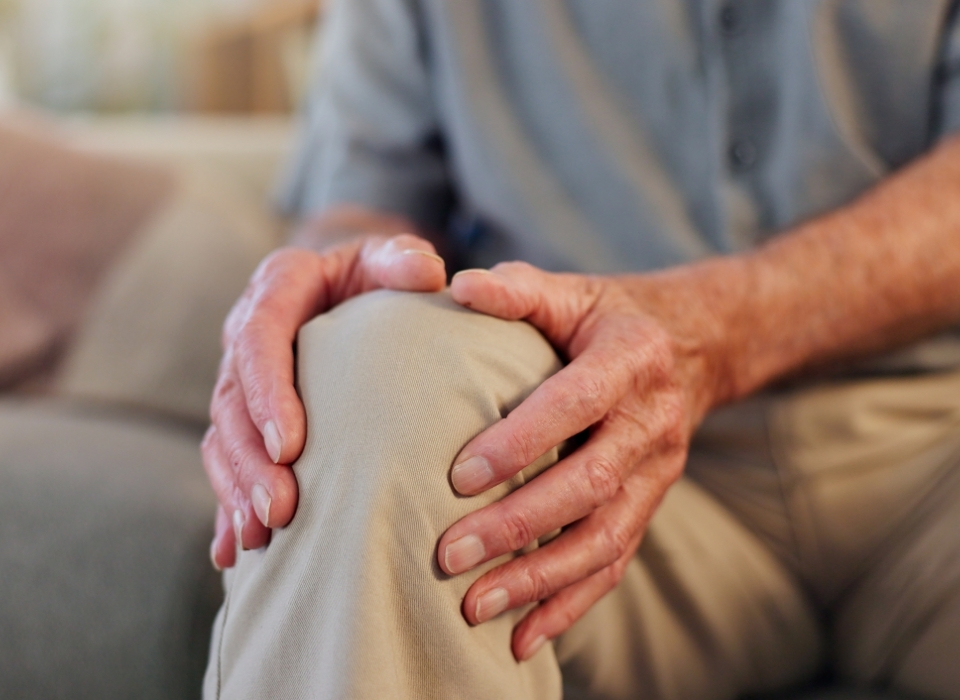
The knee joint is one of the most complex joints in our body and bears substantial loads during our daily activities.
Meniscus tears are among the most common causes of knee pain and are particularly prevalent among athletes. What exactly is a meniscus tear? Op. Dr. Erdoğan Karadağ provides information on this topic.
Op. Dr. Erdoğan Karadağ stated, "The meniscus is a C-shaped fibrocartilage structure found in the knee joint that serves as a shock absorber." He added: "While these structures contribute to knee stability, they also distribute the load placed on the joint, reducing friction between the bones."
Meniscus tears can have various causes. On this matter, Dr. Karadağ noted, "Tears generally occur as a result of sudden rotational movements. Deterioration of the menisci with age also increases the risk of tearing."
Speaking about the symptoms of a tear, Dr. Karadağ said, "Patients typically experience sudden pain in their knees, swelling, and restricted movement." He stated that magnetic resonance imaging (MRI) is generally used to diagnose a tear.
Providing information about treatment methods, Dr. Karadağ said, "Treatment varies depending on the type and severity of the tear. Some tears can be managed with rest, ice application, compression, and elevation, while others may require surgical intervention."
Dr. Karadağ noted that surgical intervention is generally performed using arthroscopic methods: "This is a minimally invasive procedure and enables faster recovery for the patient." Emphasizing the importance of the post-surgical rehabilitation process, he said, "Physical therapy and regular follow-ups are necessary for complete recovery and restoration of functional capacity."
Op. Dr. Karadağ made recommendations regarding the importance of protecting knee health, stating: "Regular exercise, use of appropriate sports equipment, and avoiding overloading can help prevent meniscus tears."
Gallery