Earthquake resistance cannot be achieved without waterproofing
In the Marmara earthquake on 17 August 1999, nearly 100,000 residences were destroyed and approximately 365,000 residences and workplaces were damaged. In the 6 February earthquake, approximately 180,000 buildings suffered severe damage, more than 40,000 buildings moderate damage and over 430,000 buildings light damage. Turkey has 6 million residences and 1.5 million workplaces that need to be transformed, and a significant renewal is expected in Turkey's building stock. On the other hand, in newly constructed buildings, waterproofing of load-bearing reinforcements from the foundation stage onwards is of great importance for building durability and safety. Research shows that a building component exposed to water can lose its entire load-carrying capacity over a 24-year period.
The painful memory of the Marmara earthquake on 17 August 1999 remains vivid in our collective memory. In the earthquake, nearly 100,000 residences were destroyed and over 365,000 residences and workplaces were damaged. The 6 February 2023 earthquake, which caused us pain once again, resulted in approximately 180,000 buildings suffering severe damage, 40,000 buildings moderate damage and over 430,000 buildings light damage.
These great tragedies reveal the fragility of our building stock and the importance of urban renewal. Currently, 6 million residences and 1.5 million workplaces across Turkey need to be transformed. Meanwhile, waterproofing, which protects buildings against corrosion, emerges as one of the most fundamental elements of building safety. Research demonstrates that a building component exposed to water can completely lose its load-carrying capacity over a 24-year period.
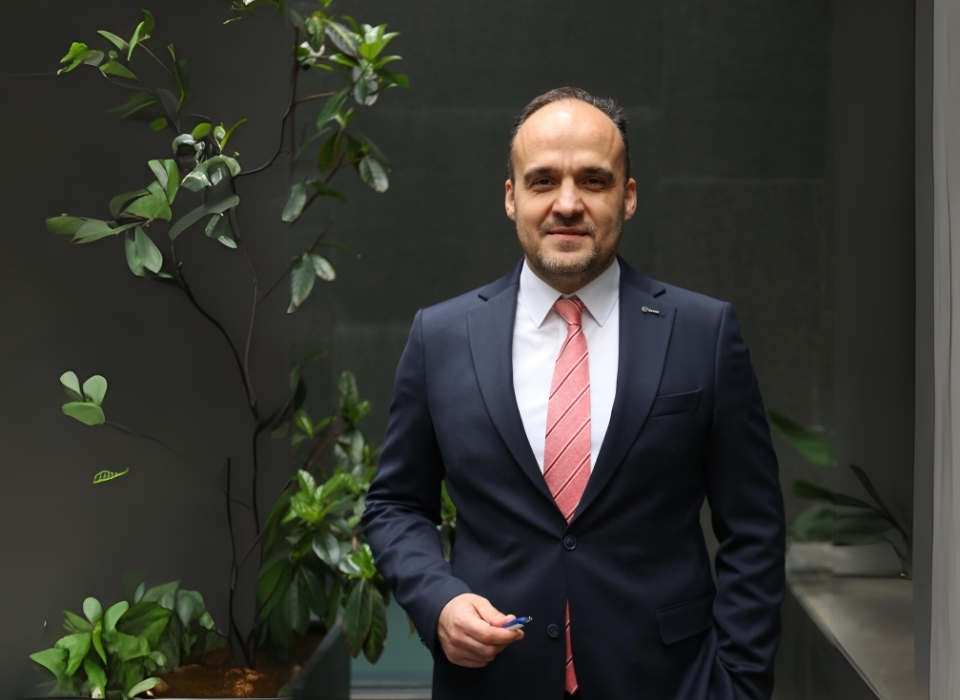
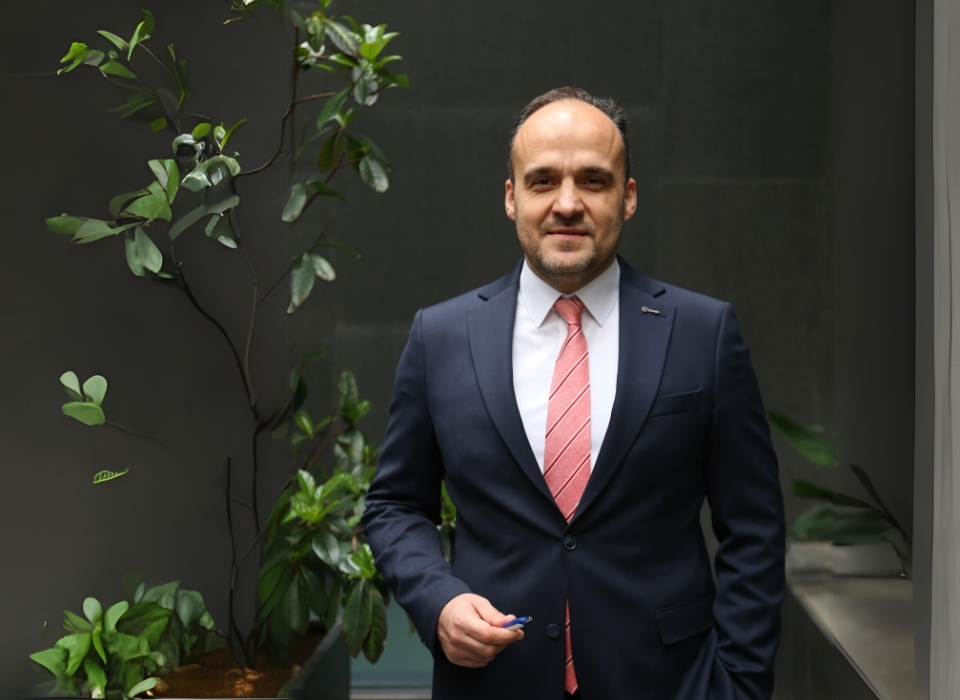
Emrullah Eruslu, CEO of Bonus Yalıtım, emphasizing that the issues of earthquakes and building safety in Turkey must be addressed seriously, stated: "We all carry in our hearts the pain of the 1999 Marmara earthquake, the 6 February earthquake that affected 11 provinces, and the earthquakes in Izmir, Ağrı, Afyonkarahisar, Bingöl, Erzurum and Van. We remember those we lost with respect. On the other hand, we must confront the immutable reality of our geography—earthquake risk—and build permanent, safe structures."
Waterproofing Is the Foundation of Building Safety Priority
Emrullah Eruslu, noting that a significant proportion of residential buildings in our country are constructed as reinforced concrete frame structures, stated: "The load-bearing capacity of buildings comes from load-bearing systems such as columns, beams and shear walls. Contact of groundwater with concrete can create cracks and deformations. It is inevitable that rust and corrosion develop over time in reinforcing steel and metal elements exposed to water at the foundation level. It is nearly impossible for a structure that has corroded and lost durability to remain standing during an earthquake. As a result of strength loss in the structure, a building can lose 50 percent of its load-carrying capacity over a 5-year period and its entire capacity within 24 years, which leads to irreversible disasters in natural events such as earthquakes. In addition to ensuring building safety, waterproofing is also important in preventing the formation of bacteria and mold that could negatively affect human health and living comfort. Waterproofing constitutes the fundamental priority of building safety, and earthquake resistance cannot be achieved without waterproofing," he said.
Emrullah Eruslu, stating that studies following the 17 August earthquake proved that reinforcing steel in damaged and moderately damaged buildings lost load-carrying capacity due to corrosion, said: "Appropriate concrete and steel reinforcement alone are not enough; standards-compliant waterproofing is also essential for building safety. In light of scientific facts, waterproofing has been made mandatory by the Ministry regulation that came into force in 2018. In our country, regulations prepared based on lessons learned from past tragedies are quite robust and advanced, as they are in high earthquake-risk regions such as Japan and California. On the other hand, we can see that as a country, we still have a long way to go in terms of full compliance with these regulations and effective inspections by qualified personnel. Full compliance with regulations and establishment of a building safety awareness throughout society are of great importance with regard to the structural integrity, earthquake resistance and service life of buildings, as well as waterproofing and all other related matters," he said.
Gallery