Biocoat Receives New Patent for PFAS-Free Coating
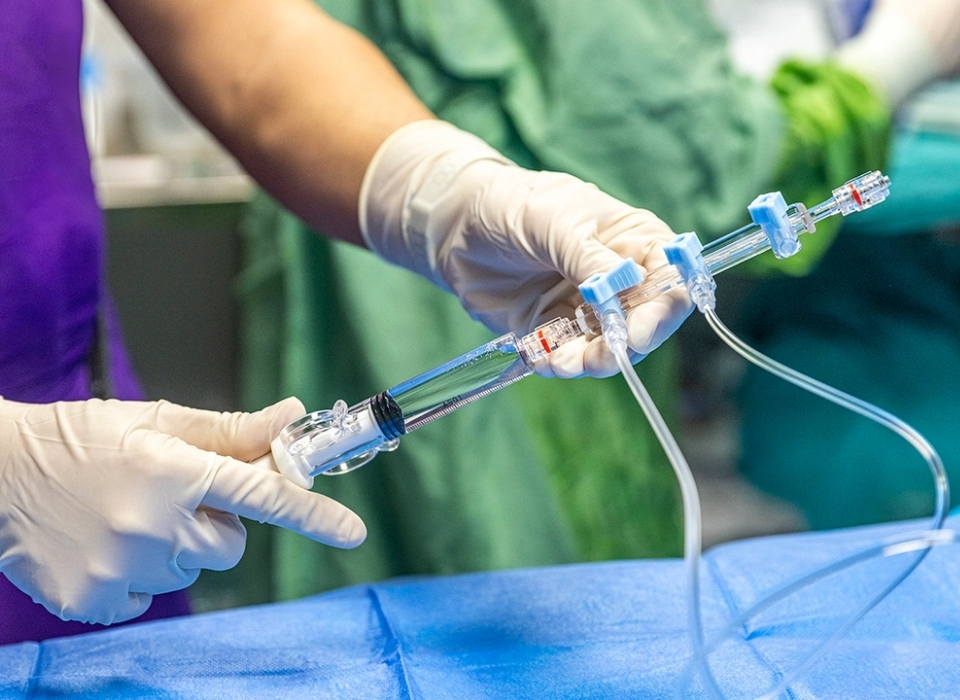
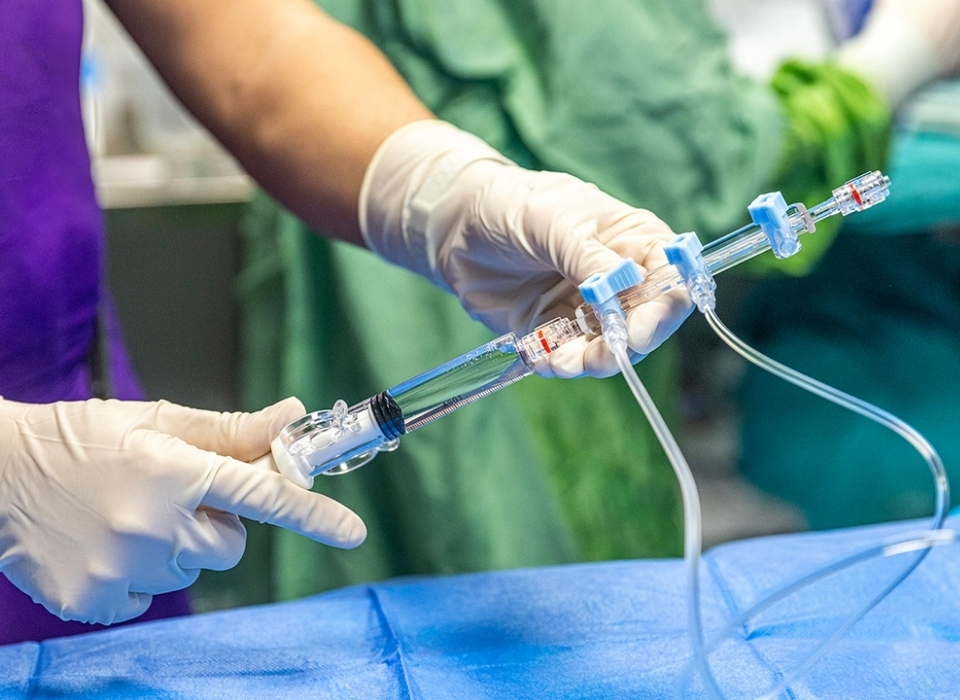
Biocoat has secured a patent for a new PFAS-free technology that will revolutionize medical device coatings. This innovation will be used particularly for coating inner surfaces such as catheter lumens and will provide the sector with safer, more environmentally friendly solutions. Developed in line with growing environmental concerns, this technology stands out as evidence of Biocoat's commitment to providing medical device manufacturers with sustainable alternatives.
Perfluoroalkyl and polyfluoroalkyl substances, known as "PFAS," are toxic chemicals used in furniture, stain-resistant products, waterproof clothing, cosmetic products, food packaging, and even cookware, and are also known as "forever chemicals."
Biocoat, a leader in the development, manufacture and application of hydrophilic coatings for medical devices, announced that it has obtained a patent for a "Lumen Coating Method and Apparatus." This new patent encompasses a revolutionary thermal cure hydrophilic coating technology specifically designed for inner diameter or lumen. The new technology is widely applied in catheters and other medical devices used in many medical specialties including cardiology and neurology.
The newly patented technology represents a significant advancement in medical device coatings, offering the sector a high-performance, PFAS-free alternative. As concerns about the environmental and health impacts of PFAS continue to grow, Biocoat's innovation provides a safer and more sustainable solution for medical device manufacturers without compromising on quality or performance.
"This patent is proof of Biocoat's commitment to developing innovative and responsible technologies that respond to the evolving needs of the medical device sector," said Jim Moran, President and Chief Executive Officer of Biocoat Inc., continuing: "Our unique, hydrophilic and PFAS-free coating technology is a game-changer for devices requiring coating of inner surfaces such as catheter lumens. This innovation will provide medical device manufacturers with coating options that align with global efforts to reduce dependence on PFAS materials.
Gallery