Rethinking Adhesive Systems and Composites with Erdi Buluş

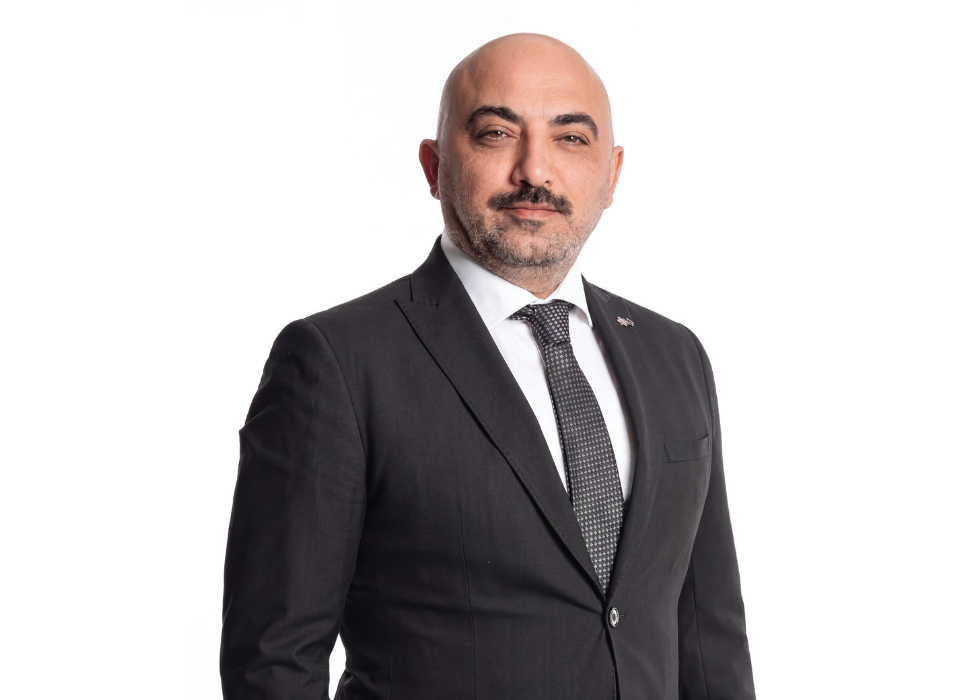
In our interview, we discussed future adhesive technologies and their impact on the composites sector with Erdi Buluş, Senior Research Specialist at ArelPOTKAM (Polymer Technologies and Composite Application and Research Center) and Director of the ArtıArel Incubation and Entrepreneurship Center.
Could you briefly tell us about yourself and your professional background?
I am Erdi Buluş, and I serve at İstanbul Arel Üniversitesi both as an academic (Lecturer) and as Senior Research Specialist at ArelPOTKAM (Polymer Technologies and Composite Application and Research Center) and Director of the ArtıArel Incubation and Entrepreneurship Center. My professional career focuses on polymer science, advanced materials technologies, nanotechnology and electrospinning methods.
As a result of the R&D studies we have carried out with my team for many years, we developed domestic and national technological solutions such as the “Nanotechnological Wound Dressing”, “Portable Smart Dialysis Device Filter”, and “Multi-Purpose Polymeric Membrane Producing Air Spraying Device”, achieving numerous Türkiye championships and rankings at prestigious and open innovation competitions such as TEKNOFEST, Farabi R&D Market and Başakşehir Living Lab. I try both to integrate academic studies into industry and to guide the commercialization of technology-based ideas within the entrepreneurship ecosystem.
Could you give us information about the studies carried out by ArelPOTKAM and the main areas of focus?
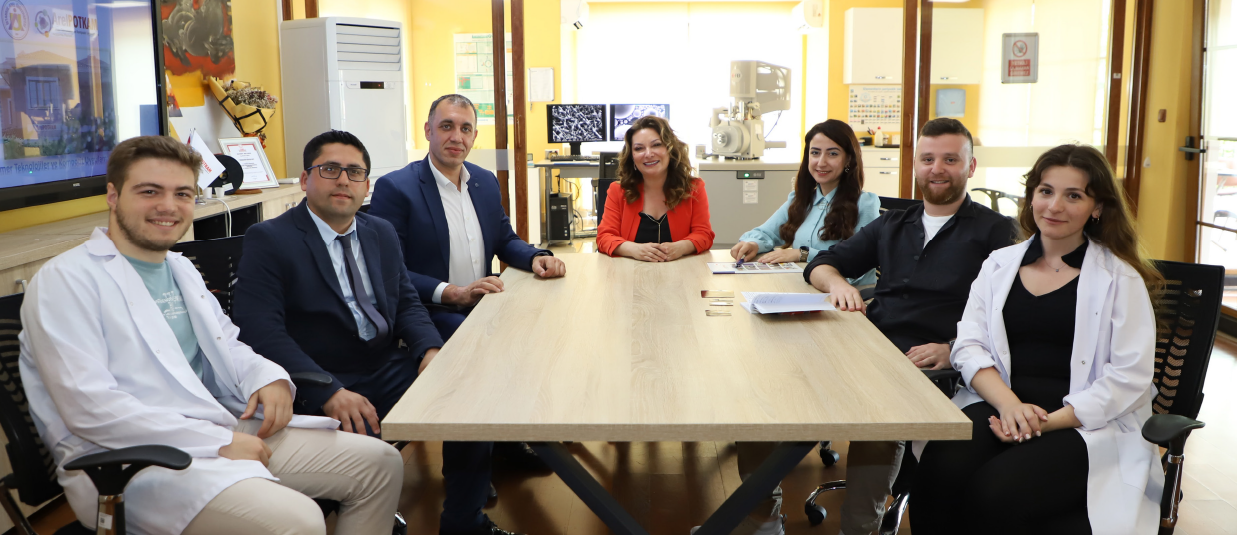
ArelPOTKAM is a YÖK-approved application and research center established with the support of the İstanbul Development Agency (İSTKA). Our core mission is to maximize university-industry collaboration in order to respond to the R&D, innovation and testing needs of polymer-based sectors such as plastics, rubber, paint and composites.
Our center has a very broad infrastructure, ranging from extrusion lines to polymer composite synthesis, from nanofiber production systems to advanced characterization laboratories (SEM+EDS, FTIR, DSC, TGA, Tensile-Compression Tests). Our main areas of focus are the development of functional polymeric composites, biomaterials, smart materials, recycling/sustainability technologies, and value-added material designs for the defense, healthcare, automotive and packaging sectors.
How is the expanding use of composite materials changing expectations regarding adhesive technologies?
Thanks to their lightness, high corrosion resistance and excellent mechanical strength, composite materials are expanding their field of use every day, from automotive to aviation, from the defense industry to wind energy. However, this situation has made adhesive technologies a critical solution partner, because traditional mechanical fasteners (screws, rivets, etc.) add weight to the structure and drilling operations damage the composite fiber structure.
This expansion has radically changed expectations from adhesives: rather than conventional adhesives, there is demand for structural adhesives with the flexibility and strength to safely hold together materials with different expansion coefficients (for example, carbon fiber and aluminum).
Since speed is very important on industrial production lines, the need for fast-curing systems without compromising on strength has increased. For structures that will operate under extreme conditions such as aviation and defense, high temperature resistance, chemical resistance and anti-aging long-term durability expectations have become standard.
Looking at epoxy, polyurethane, MMA and other adhesive systems, which technologies stand out more in composite applications?
Every adhesive chemistry has its own unique strengths in composite applications and is preferred according to the dynamics of the application. Epoxy systems are unquestionably the leader in structural composite applications such as aviation and wind turbine blades, where high mechanical strength, excellent gap-filling and superior chemical/thermal resistance are sought. They are very successful at forming rigid bonds.
Polyurethane (PU) systems, on the other hand, stand out in the automotive and transportation sector, where flexibility, impact damping and vibration resistance are critical. Thanks to its high elasticity, it excellently damps stress when bonding different materials together (for example, a composite panel and a metal chassis).
Methyl Methacrylate (MMA) is a technology whose popularity has rapidly increased in the composites world in recent years. It maximizes line efficiency by requiring very little surface preparation for bonding thermoplastic and thermoset composites and curing incredibly fast at room temperature. In summary, Epoxy for pure strength and durability, Polyurethane for flexibility and dynamic loads, and MMA technologies for speed and minimal surface treatment are indispensable to the composites sector.
What advantages do new-generation polyurethane technologies offer in adhesives?
New-generation polyurethane adhesives offer great advantages for the sector by exceeding the limits of past PU systems: Unlike traditional PUs, new-generation formulations optimize open time while gaining strength much faster after bonding, thereby shortening production times. New-generation technologies with minimized free isocyanate content or completely isocyanate-free (Non-Isocyanate Polyurethane - NIPU) formulations both protect worker health and fully comply with green consensus processes (sustainability).
Hybrid adhesives that combine the flexibility of polyurethane with the excellent surface adhesion capability of silane almost completely eliminate the need for primer use, providing cost and time savings. New-generation cross-linking technologies developed against moisture and outdoor conditions prevent the material from losing its elasticity and becoming brittle over the years.
Gallery