
Reklam




Ana SayfaHome › Hammadde & ÜrünRaw Materials & Products › Silicone
Silicone (polysiloxane) is a family of synthetic polymers whose main chain consists of silicon–oxygen bonds rather than carbon. This structure provides a combination of properties that organic polymers cannot match: flexibility over an extremely wide temperature range, UV and ozone resistance, water repellency and chemical stability.
The backbone that defines silicone is the –Si–O–Si–O– sequence. The organic groups attached to the silicon atoms (mostly methyl) determine the character of the polymer. The Si–O bond is stronger than the C–C bond and offers high chain rotational freedom; together, these two properties explain why silicone remains flexible even at −50°C while still functioning without degradation above 200°C.
Note: in Turkish, "silikon" (polysiloxane), "silisyum" (the element, Si) and "silika" (silicon dioxide, sand/quartz) are frequently confused. These are three distinct substances, although the starting point of the chain is silicon in every case.
The chain starts from quartz and proceeds in four steps:
Depending on molecular weight and degree of cross-linking, the final product takes the form of an oil, emulsion, gel, elastomer or resin.
| Form | Structure | Application |
|---|---|---|
| Silicone oil | Linear, non-cross-linked | Mold release, defoamer, personal care |
| RTV-1 (one-component) | Moisture-cured | Sealing mastic, glazing joints |
| RTV-2 (two-component) | Catalyst-cured | Mold making, electronic encapsulation |
| HTV / LSR elastomer | High cross-link density | Gaskets, medical devices, baby products |
| Silicone resin | Dense cross-linked network | Heat-resistant coatings, facade water repellents |
| Silane / silicone additive | Functional end group | Adhesion promoter, filler surface treatment |
Because the upstream stage of the silicone value chain (metallurgical-grade silicon and chlorosilane production) requires high energy input and scale, it is concentrated among a limited number of producers worldwide; Türkiye is an importer at this stage. Domestic activity is concentrated mainly on formulation and filling: construction mastics, textile finishing agents, cosmetics and mold release products are manufactured by local companies.
Current industry topics include: siloxane regulation (particularly the impact of restrictions on cyclic D4/D5/D6 siloxanes on cosmetics and personal care formulations), silicon metal prices and energy costs, and mastic demand linked to facade and insulation investments. You can follow the latest developments in the news items below.
| Parameter | Typical value | Note |
|---|---|---|
| Service temperature | −50°C … +200°C | Up to 300°C for short periods in special grades |
| Elongation at break (elastomer) | 200–800% | Depends on formulation |
| Shore A hardness | 10–80 | Relevant for gasket and mold selection |
| Surface energy | very low (~20 mN/m) | Cause of water repellency and non-paintability |
| Dielectric strength | high | Electrical insulation |
| UV / ozone resistance | very good | Decisive advantage in outdoor facade applications |
Silicone's mechanical strength is lower than that of organic rubbers; it may not be sufficient on its own in applications requiring tear and abrasion resistance. However, it retains these properties with virtually no change over time and temperature — a silicone gasket remains close to its original flexibility even after ten years, whereas an organic rubber may harden and crack over the same period.
Silicon is the element on the periodic table (Si). Silica is silicon dioxide (SiO₂) — the main component of sand and quartz. Silicone is a synthetic polymer with an Si–O backbone. The production chain starts from silicon, but the three substances cannot be used interchangeably.
Silicone is superior in UV, weathering and temperature resistance, and adheres very well to non-porous surfaces such as glass and ceramic — but it cannot be painted over. Polyurethane sealant can be painted and has high mechanical strength, but degrades gradually under UV exposure. Silicone is preferred for facade glazing, while polyurethane or MS polymer is preferred for joints that will be painted.
Typical elastomer systems operate continuously between −50°C and +200°C; special formulations can reach up to 300°C for short periods. While most organic rubbers harden and crack at the upper end of this range, silicone retains its flexibility.
Low surface energy is a fundamental property of silicone, which is why it is used as a mold release agent and water repellent. The same property means that paint or adhesive cannot be applied to a surface contaminated with silicone — keeping silicone-containing products in a separate area in facilities with a paint line is standard practice.
Because cured silicone elastomer is a thermoset, it cannot be melted down and reshaped. Work is underway on grinding it for use as filler or on chemical depolymerization back into siloxane monomers, but large-scale commercial application remains limited so far.

As nature's revitalized energy brings freshness to living spaces with the arrival of summer, it's time for a home refre…
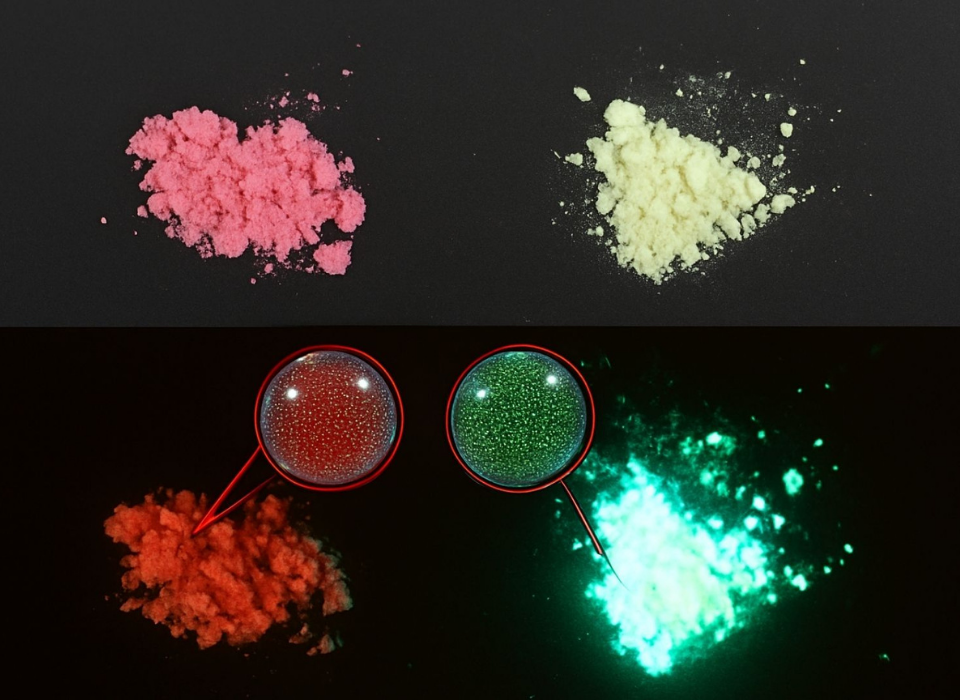
Green Science Alliance (President: Dr. Ryohei Mori; Headquarters: Kawanishi, Hyogo, Japan), a green technology company,…
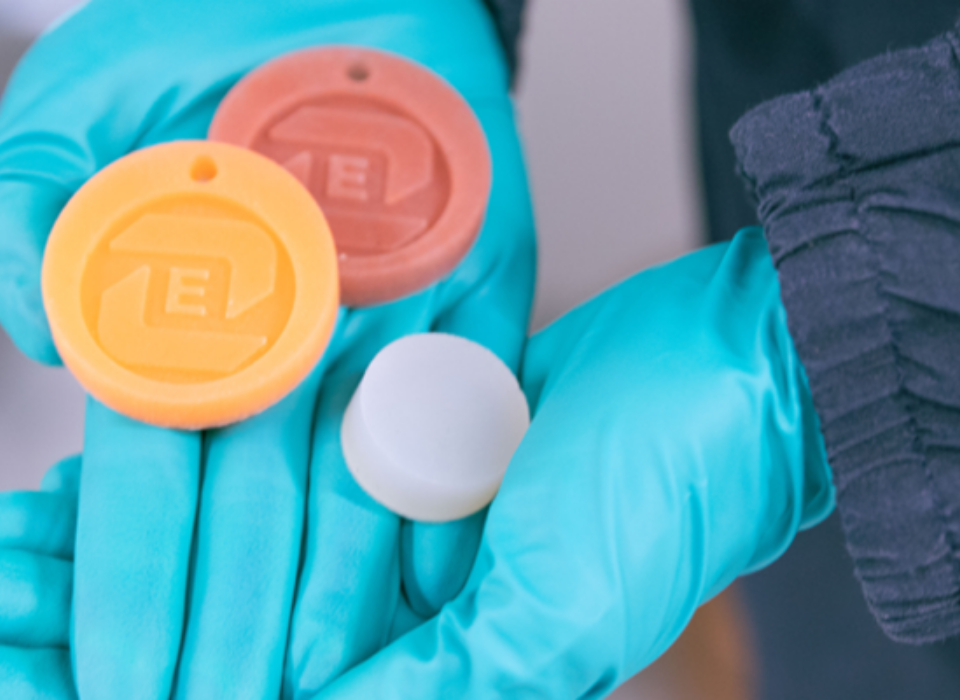
The innovation enables the recycling of crosslinked HCR waste and the reintroduction of the recycled material into new …
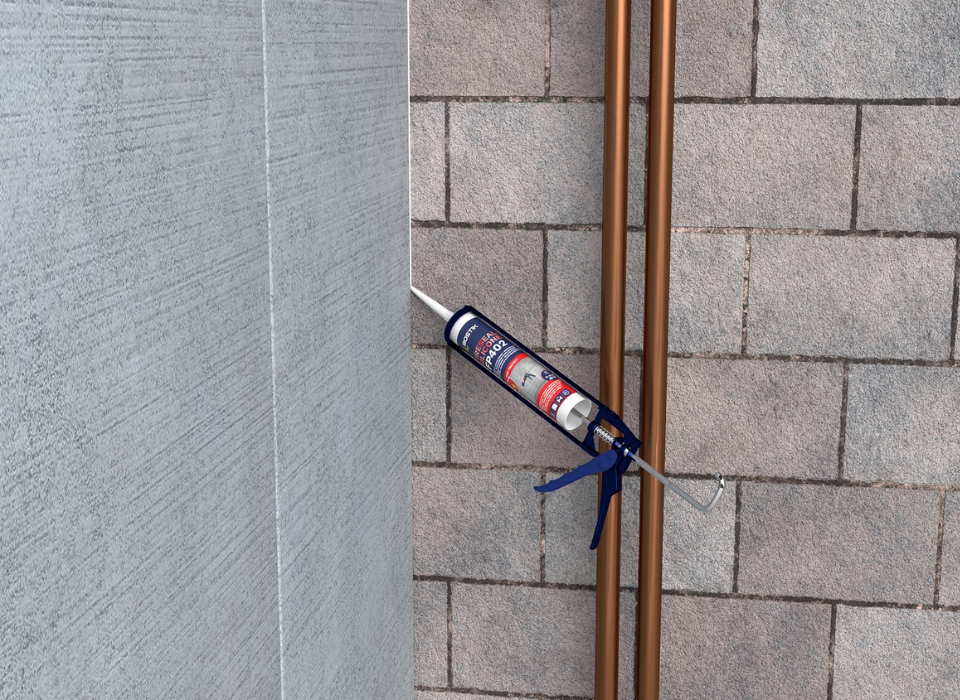
Bostik Fire Protect, which offers a wide range of products for both linear and expansion joints, saves lives by buying …
Wacker's new production lines in Asia support the company's strategy to locate its manufacturing capabilities close to …
Kimya sanayiini oynayarak tanıyın: her hafta yeni bulmaca, etkileşimli periyodik tablo, sektöre özel oyunlar ve ücretsiz hesaplayıcılar.
Deneyiminizi iyileştirmek ve site kullanımını ölçmek için çerez kullanıyoruz. Ayrıntılar Çerez Politikası ve KVKK Aydınlatma Metni'nde.