Green Science Alliance Develops Silica Composite Fluorescent Color Paint with Improved Air, Light and Heat Resistance
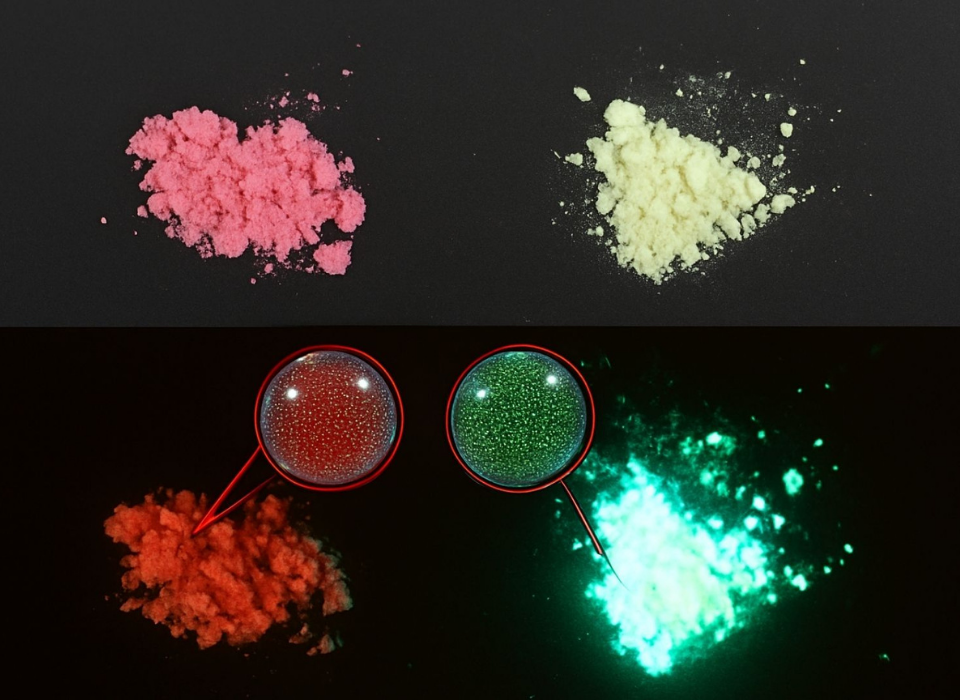
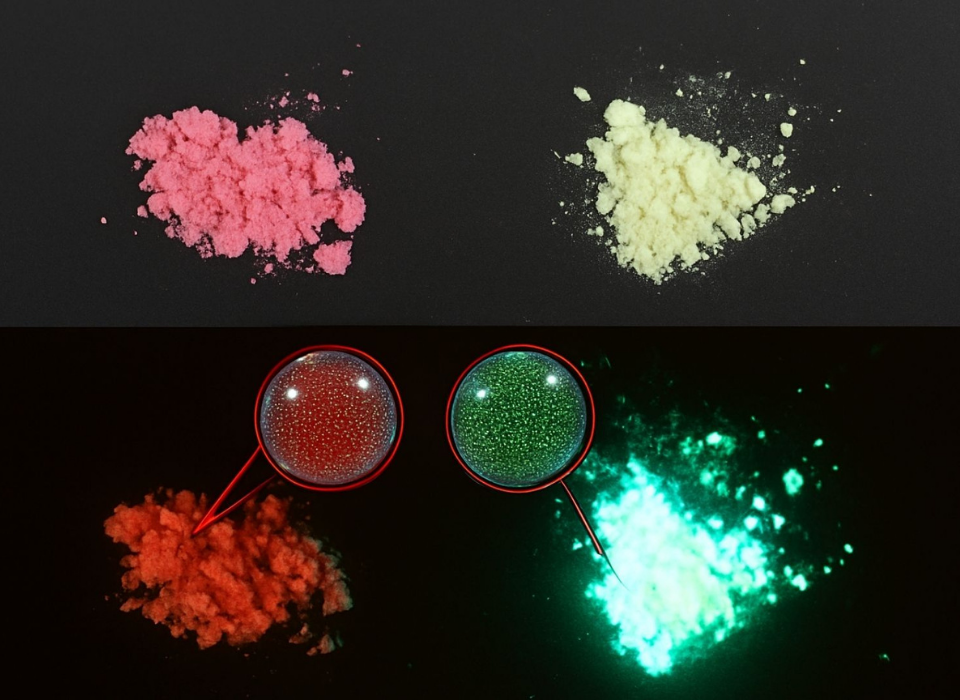
Green Science Alliance (President: Dr. Ryohei Mori; Headquarters: Kawanishi, Hyogo, Japan), a green technology company, focuses on developing advanced environmental energy technologies with the aim of building a carbon-neutral and sustainable society. This time, the company, in collaboration with Osaka Metropolitan University, has succeeded in developing an innovative material by combining organic fluorescent dyes with silica (silicon dioxide, the main component of glass).
Green Science Alliance (Chairman: Dr. Ryohei Mori; Headquarters: Kawanishi, Hyogo, Japan), a green technology company, is focused on developing advanced environmental energy technologies to build a carbon-neutral and sustainable society. This time, the company, in collaboration with Osaka Metropolitan University, has successfully developed an innovative material by combining organic fluorescent dyes with silica (silicon dioxide, the main component of glass).
This technology preserves the vibrant fluorescence of organic dyes while imparting the excellent durability, light resistance, heat resistance, and dispersibility of inorganic silica.
Colorants are substances used to impart color to materials and are generally divided into two types: dyes that dissolve in water or oil, and pigments that exist as insoluble particles. Dyes, being molecularly dissolved, generally suffer from poor durability such as low light fastness. In contrast, pigments, which are insoluble particles, exhibit superior resistance to weathering.
However, conventional organic pigments cannot display the vibrant colors of organic fluorescent dyes. Due to their superior fluorescent light-emitting properties, organic fluorescent dyes are widely used in applications such as plastics, coatings, inks, textiles, sportswear, and even biomedical fields. These dyes absorb light and re-emit it as visible light, producing brighter and more vivid colors compared to conventional pigments.
However, one of the greatest disadvantages of organic fluorescent dyes is their poor durability. To solve this problem, this technology embeds the dyes within silica, providing the following performance improvements:
Key improvements:
1. Improved oxygen barrier properties and thermal stability; reduced effects of water and organic solvents and provision of long-term fluorescence.
2. Increased resistance to thermal degradation; enabling use in high-temperature processes such as plastic and resin extrusion and injection molding.
3. Increased hardness when incorporated into coatings or resins, improved scratch resistance and mechanical strength.
4. Improved chemical stability against acids, alkalis, organic solvents, and water and provision of stable performance in functional materials.
Thanks to these properties, the vibrant emission of organic fluorescent dyes can be preserved while achieving durability comparable to inorganic phosphors (weather resistance, light fastness, heat resistance, and chemical stability).
This material is expected to significantly reduce problems such as fading and degradation and find applications in a wide range of fields including coatings, inks, plastics, resins, and cosmetics.
While previous work conducted by research institutions, universities, and companies has reported the combination of organic fluorescent dyes with silica, there are few examples worldwide that provide both scalability and cost-effectiveness for industrial production. This is because Green Science Alliance's composite production process can offer a commercially viable price for the actual colorant industry.
This material has the potential to be a next-generation colorant following organic fluorescent dyes and pigments.
Green Science Alliance plans to provide samples of this material to companies and research institutions both domestic and international, including those in coatings, resins, and cosmetics, and to continue collaborative development efforts.
Gallery