Hydrophobic Surface Approach Against Icing
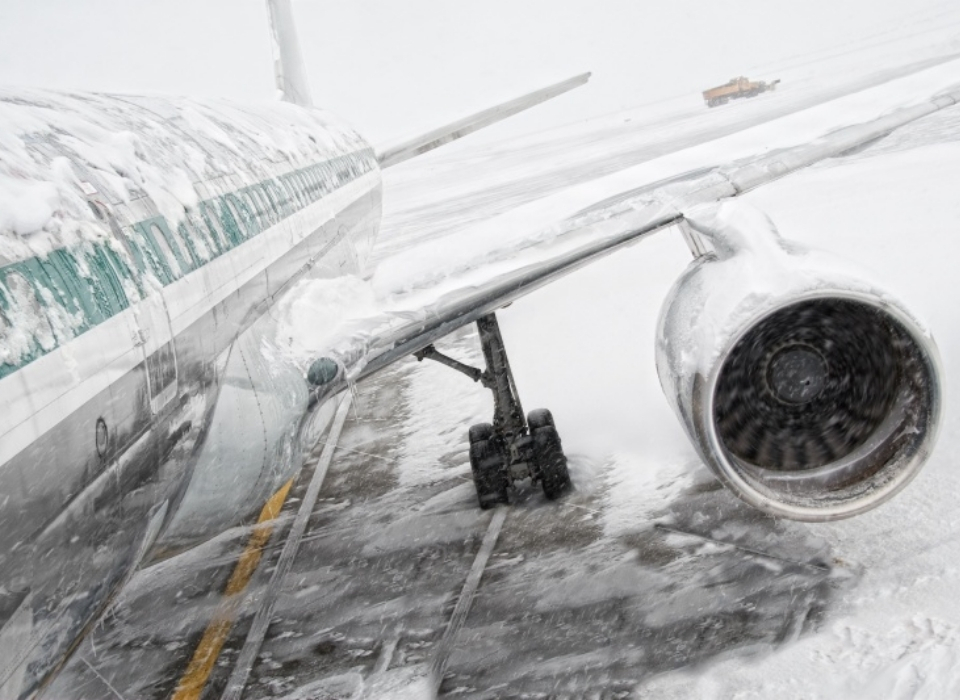
Aircraft coatings, as a critical element of aircraft design, serve not only decorative and aesthetic properties but also function as an active defense mechanism protecting aircraft from harsh environmental conditions.
Aircraft coatings play an important role in aircraft design. They are significant from a decorative standpoint for the civil and general aviation industry, but also serve an active protective function. The aerospace coatings market is divided into four segments: commercial passenger aircraft, defense aircraft, general aviation, and space. The bulk of market volume and sales is accounted for by the first two segments. According to long-term forecasts from major commercial aircraft manufacturers, air travel will continue to grow alongside the expansion of the global aviation network and connectivity, providing greater capacity between major population centers. The fleet of 20,341 commercial aircraft with more than 100 passenger capacity currently in service is expected to more than double to over 41,000 by 2032 at an average annual growth rate of 3.6%. Increasing demand from end users in the aviation sector is significantly affecting the aerospace paint market. Currently, due to environmental factors, the sector's paint requirements have increased. Forecasts indicate that the aerospace paint market will reach USD 2 billion by 2032.
The primary purpose of the paint system applied to aircraft surfaces is to increase the vehicle's ability to withstand harsh conditions by reducing the effects of corrosion and wear. Additionally, aircraft coatings must be able to cope with different environmental conditions. During routine operations, when departing from a desert with temperatures of +50°C and encountering temperatures of -55°C and strong UV radiation at 10 kilometers altitude, they must withstand sudden temperature changes. Moreover, these coatings must resist numerous drying and wetting cycles due to condensation, wear, impact effects, engine vibrations, structural strains from turbulence, and pressure changes. The aircraft fuselage and other external surfaces are covered with exterior coating systems. As previously noted, aircraft exterior coating systems must withstand various environmental stresses, including varying temperatures, strong UV radiation, moisture exposure, wear, and exposure to aggressive environments such as fuel, de-icing fluids, hydraulic fluids, potentially corrosive salts from marine regions, industrial pollution, and acidic aerosols from volcanic eruptions. A typical exterior coating system consists of multiple different layers: a pre-treatment layer (anodize layer or chemical conversion coating) followed by a primer layer (15-25 µm), and a pigmented decorative topcoat or in some cases a varnish coating over a basecoat (60-120 µm)
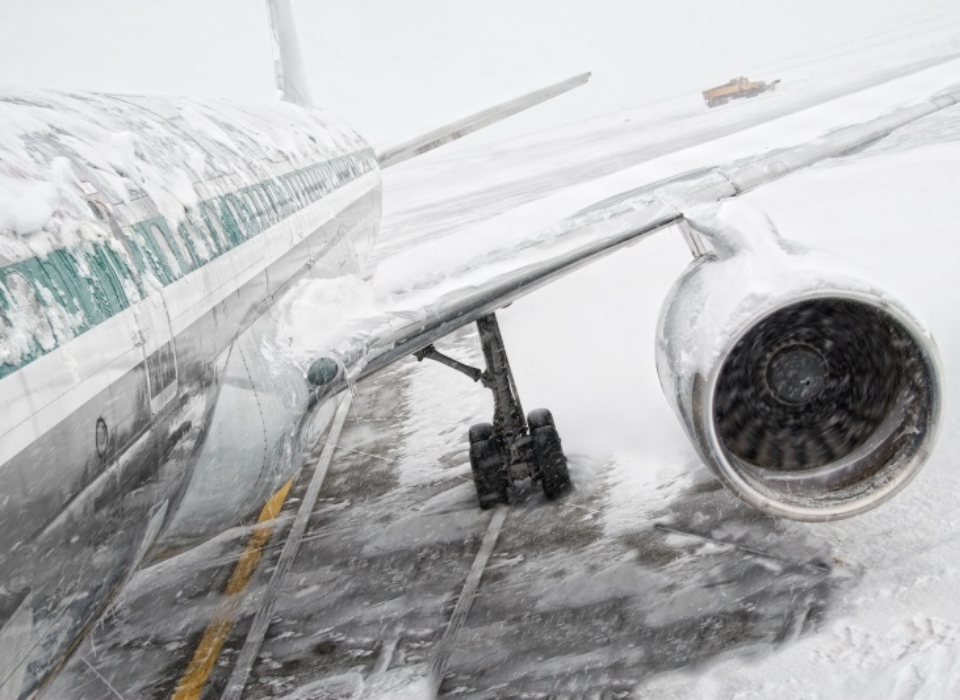
Icing on critical aircraft surfaces reduces aircraft performance and is a serious potential hazard. For this reason, critical aircraft surfaces such as wing leading edges and nacelle inlet lips are equipped with active ice protection systems. Icing is a phenomenon that occurs when supercooled water freezes on an object. In aircraft, icing can occur on the ground and during flight. During flight, it can cause a change in the wing cross-section leading to stall and in the worst case result in aircraft loss. There are physical methods to prevent aircraft icing. Typically, heating hot air from the engine or an ice-melting boot is used. Active ice protection systems increase fuel consumption and add complexity to aircraft systems. A chemical approach using functional additives may be an option instead of these physical methods.
Hydrophobic and ice-repellent coatings suitable for aviation must maintain hydrophobic and ice-repellent properties for an acceptable duration during flight operations and must have similar properties to uncoated and painted aerospace products in terms of erosion, corrosion, UV, moisture, and hardness resistance. The purpose of this article is to understand the working principles of hydrophobic and ice-repellent coatings and to provide recommendations for designing coatings with hydrophobic and ice-repellent properties for aircraft. Additionally, the results of experimental work carried out on achieving hydrophobic surfaces are shared in the final section.
When we examine the interaction of water droplets with a surface, we gain a better understanding of how hydrophobic surfaces work. When water droplets are placed on a substrate with a smooth surface, the striking droplets can spread and completely wet the substrate. In another scenario, a barrier film forms separating the solid phase from the gas phase, or bead structures that partially wet the surface can be observed. Beads form in less than 10 milliseconds. As shown in Figure 3, the shape of the bead depends on the cohesion forces that water molecules exert on each other (liquid/liquid). These forces, in situations where gravitational force is negligible, are defined as adhesion forces (liquid/solid) resulting from molecular attraction between water and surface molecules.
Gallery