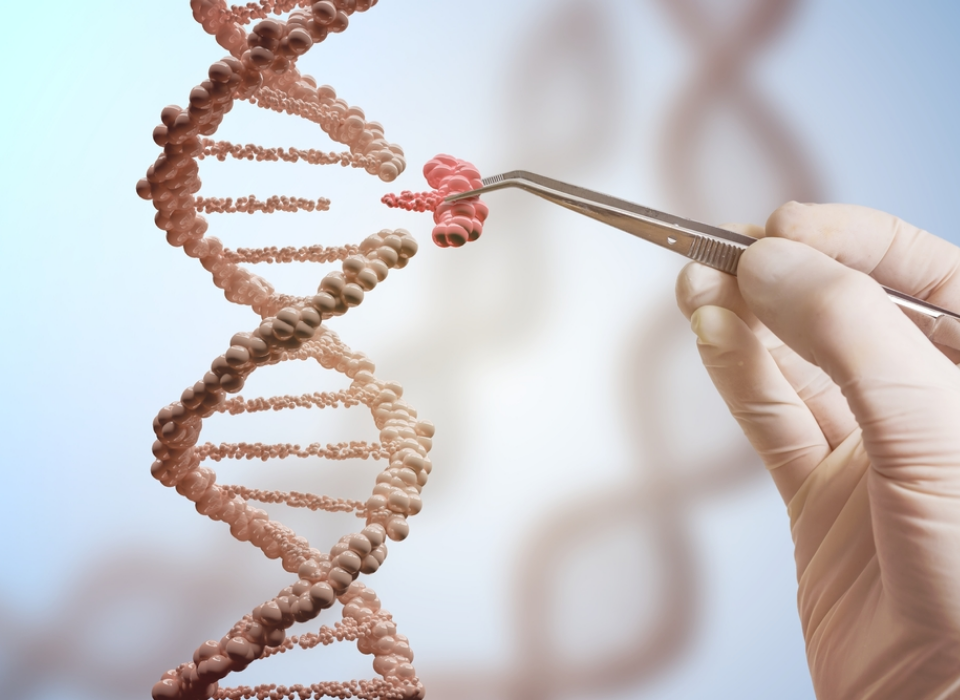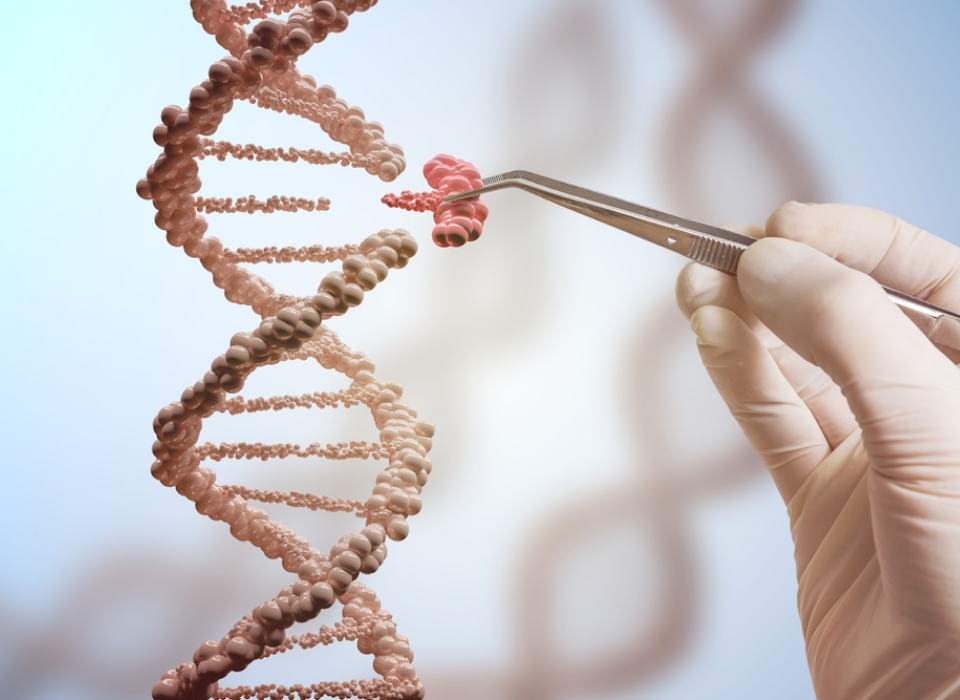
A new gene therapy delivery device could enable hospital pharmacies to produce personalized, made-to-order nanotherapies. Published in the journal Frontiers in Science, this democratized approach to precision medicine could fundamentally change the way hospitals treat rare diseases, even in resource-limited settings. While rare diseases affect millions of people worldwide, the "one-size-fits-all" model applied in drug development offers patients very few treatment options. Now a European research project called NANOSPRESSO aims to tip the balance in patients' favor by increasing access to low-cost, personalized gene and RNA therapies.
A new gene therapy delivery device could enable hospital pharmacies to produce customized nanomedicines on demand. This democratized precision medicine approach, published in Frontiers in Science, could fundamentally transform how hospitals treat rare diseases, even in resource-limited settings. While rare diseases affect millions of people worldwide, the "one-size-fits-all" model in drug development offers patients very few treatment options. Now, a European research project called NANOSPRESSO aims to shift the balance in patients' favor by increasing access to low-cost, personalized gene and RNA therapies.
The prototype NANOSPRESSO device combines two proven technologies—nucleic acid therapies and lipid nanoparticles—in a portable manufacturing unit. Using this unit, hospital pharmacists can prepare sterile, injectable nanomedicines tailored to the specific genetic abnormality causing a patient's condition, eliminating the need for centralized drug production.
Most drugs, including gene therapies, are produced in centralized facilities; while this model works for high-volume medicines, it is unsuitable for rare diseases, each affecting only small numbers of patients. Due to high production costs and limited demand, many rare disease treatments remain unavailable. Led by Prof. Raymond Schiffelers from UMC Utrecht, NANOSPRESSO can overcome these barriers by bringing nucleic acid nanotherapy production to the local hospital. This could increase access to these therapies, even in resource-limited settings. Schiffelers states, "Rare diseases rank high among our global health challenges in terms of prevalence. Their collective impact underscores the urgent need for a platform that enables hospitals to personalize medicines in-house and on demand at appropriate cost."
"By shifting production to the point of care, NANOSPRESSO can make life-changing precision medicines accessible to patients." Rare diseases affect 300 million people worldwide—36 million in the EU alone—with seven in ten beginning in childhood. Each disease affects only a small population—at most five in 10,000 according to the European Medicines Agency (EMA)—but there are between 5,000 and 8,000 rare diseases in total. Dr. Mariona Estapé Senti, lead author of the paper from UMC Utrecht, states, "We are building a pathway to precision nucleic acid nanotherapy. NANOSPRESSO could revolutionize rare disease treatment by delivering personalized therapies to more patients faster. This user-friendly and affordable device could enable doctors to address conditions that cannot be treated by conventional methods."
From general to personalized treatment
Nucleic acid therapies work by directly targeting genetic instructions responsible for faulty protein production and are highly adaptable. By simply changing the RNA or DNA sequence used, different diseases can be targeted—from hereditary conditions to certain cancers to disabling critical proteins in viral or bacterial cells in infection treatment. The drug's specificity can also reduce the likelihood and severity of side effects. NANOSPRESSO uses small portable cartridges that pharmacists can fill by combining nucleic acid therapies tailored to the patient with lipid components. These are mixed on-site in a portable microfluidic device—similar to consumer espresso capsules prepared to individual taste. The lipid nanoparticles in the device protect the nucleic acid payload and help it reach the correct target in the cell. The result is an injection-ready, precisely formulated and targeted nanomedicine. Because the system is small, self-contained, and designed for use by hospital pharmacists, it can be used in clinics and hospitals around the world, enabling on-demand in-hospital production of the most advanced therapies.
NANOSPRESSO raises questions about how this approach will align with current healthcare systems and regulatory frameworks. Schiffelers states, "The current model does not work for millions of people worldwide, and we believe NANOSPRESSO will fill this treatment gap. To this end, we are actively engaging with regulators and drug developers to make this possible for patients."
The authors reference a historical pharmacy practice: until the 20th century, pharmacists prepared patient-specific medicines by hand through a process known as "magistral preparation." They also point to the success of similar nucleic acid platforms, for example in producing mRNA vaccines during the COVID-19 pandemic, and note that modern advances in closed-system microfluidics have enabled breakthroughs like NANOSPRESSO.
"Our goal is to increase access to these therapies," states Estapé Senti. "While NANOSPRESSO challenges the traditional medical approach, we are also collaborating with regulatory authorities to ensure alignment with quality, safety, and efficacy standards, procedures and safeguards."
System prototypes are currently in development, and the team is actively addressing relevant technological, scientific, medical and regulatory challenges. Future work will investigate how NANOSPRESSO can be safely integrated into real healthcare settings.
Gallery