The Chemical Industry Takes a Leading Role in Medium-Term Program Targets
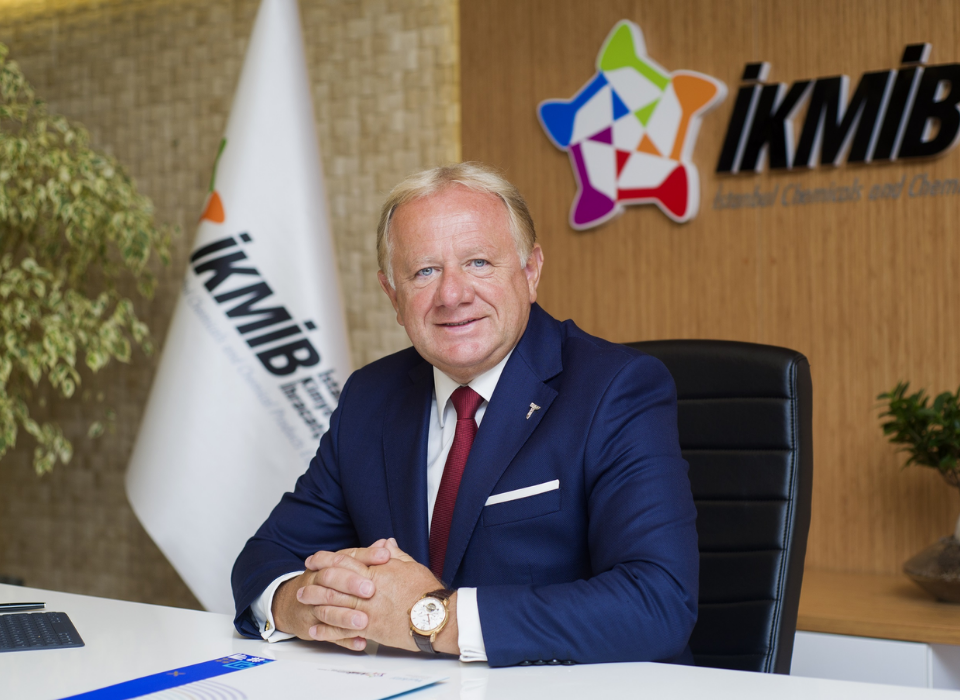
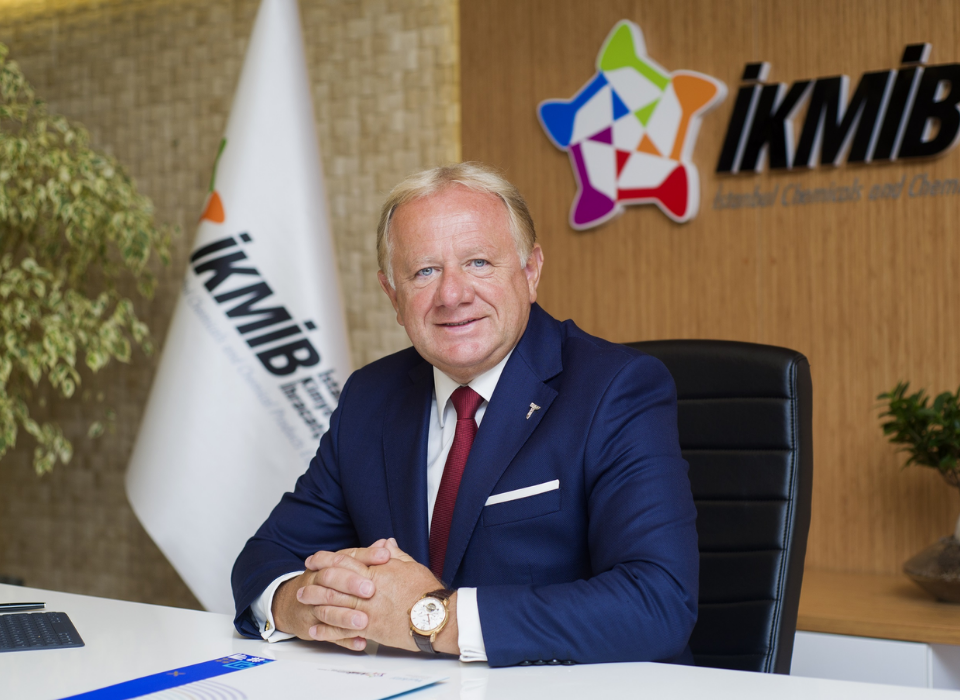
Adil Pelister, Chairman of the Board of the Istanbul Chemicals and Chemical Products Exporters' Association (İKMİB), issued a written assessment of the 2026-2028 Medium Term Programme (OVP) announced by Vice President Cevdet Yılmaz on 8 September 2025.
Adil Pelister, Chairman of the Board of İKMİB (Istanbul Chemical Manufacturers and Traders' Association), issued a written assessment of the 2026-2028 Medium-Term Program (OVP) announced on 8 September 2025 by Vice President Cevdet Yılmaz.
Pelister made the following remarks in his statement:
"I hope that the new Medium-Term Program covering 2026-2028, announced today by our Vice President Cevdet Yılmaz, will be beneficial for our country and business community. We hope for the success of this program, which aims to increase economic predictability for both the public and private sectors by setting targets in macroeconomic areas such as inflation, growth, employment, external balance, budget balance and structural reforms.
In the OVP, which charts the economy's three-year roadmap, growth this year is forecast at 3.3%, with targets of 3.8% for 2026, 4.3% for 2027 and 5% for 2028. Inflation is targeted to decline to 16%, 9% and 8% respectively as of 2026. The steady growth and gradual decline in inflation envisioned in the program are positive in terms of making production costs predictable. However, the upward revision of inflation forecasts indicates that the disinflation process will remain challenging for some time and our exporters will need to continue their difficult struggle. The downward revision of growth rates suggests that the economic recovery will take longer than expected."
"The chemicals sector will continue its locomotive role in exports"
Pelister noted the export targets included in the OVP, stating:
"We see the 2026 export target at USD 282 billion, the 2027 target at USD 294 billion, and the 2028 target at USD 308.5 billion. Global geopolitical risks, trade wars and commodity price fluctuations will affect the achievability of these targets. Looking at our chemicals sector; we have dependencies of up to 70% in raw materials and 90% in plastic products. Energy and logistics costs also create a significant burden in production. Therefore, during the disinflation process, we will have to cope with high costs for some time.
Our chemicals sector is taking on a locomotive role in exports. In this direction, we continue to diversify our export markets. However, providing new incentives for high value-added production and technology investments is of great importance. More R&D investment should be made in our sector, and steps towards digital transformation and artificial intelligence applications should be accelerated."
"Green transition is critical for SMEs"
Pelister emphasized the importance of green transition for the sector, using the following language:
"The most important factor that will increase our sector's competitiveness and facilitate achieving export targets will be green transition. Regulations supporting particularly SMEs need to be implemented quickly. Sustainability and green transition requirements cannot be postponed.
Our chemicals sector has the potential to make strong contributions to our country's targets with the USD 50 billion export target set for 2030. With its strong production capacity and export potential, the chemicals sector will take the lead in realizing the OVP targets through the steps to be taken to meet expectations."
Gallery