09 Eki 2026
Reklam
Ad Space200 × 44
Turkchem — Kimya Sanayii Haber Portalı
ReklamthinkvoiceASİL KimyaARTKİM MICEChemLeg-Header Bannerunivar-header
Breaking
ReklamthinkvoiceASİL KimyaARTKİM MICEChemLeg-Header Bannerunivar-header
Haber

The Silent Origin Story of Nutrient Delivery

Turkchem 09 Oct 2026 25 4 dk okuma
The Silent Origin Story of Nutrient Delivery

The effective delivery of nutrients to the body is not solely a matter of nutritional science. Pharmaceutical science, materials science, manufacturing engineering, agriculture and space research have all contributed important tools to this field. Today, the real question is not how much of a nutrient is added to a product, but how much of it reaches the body in the right form and at the right time.
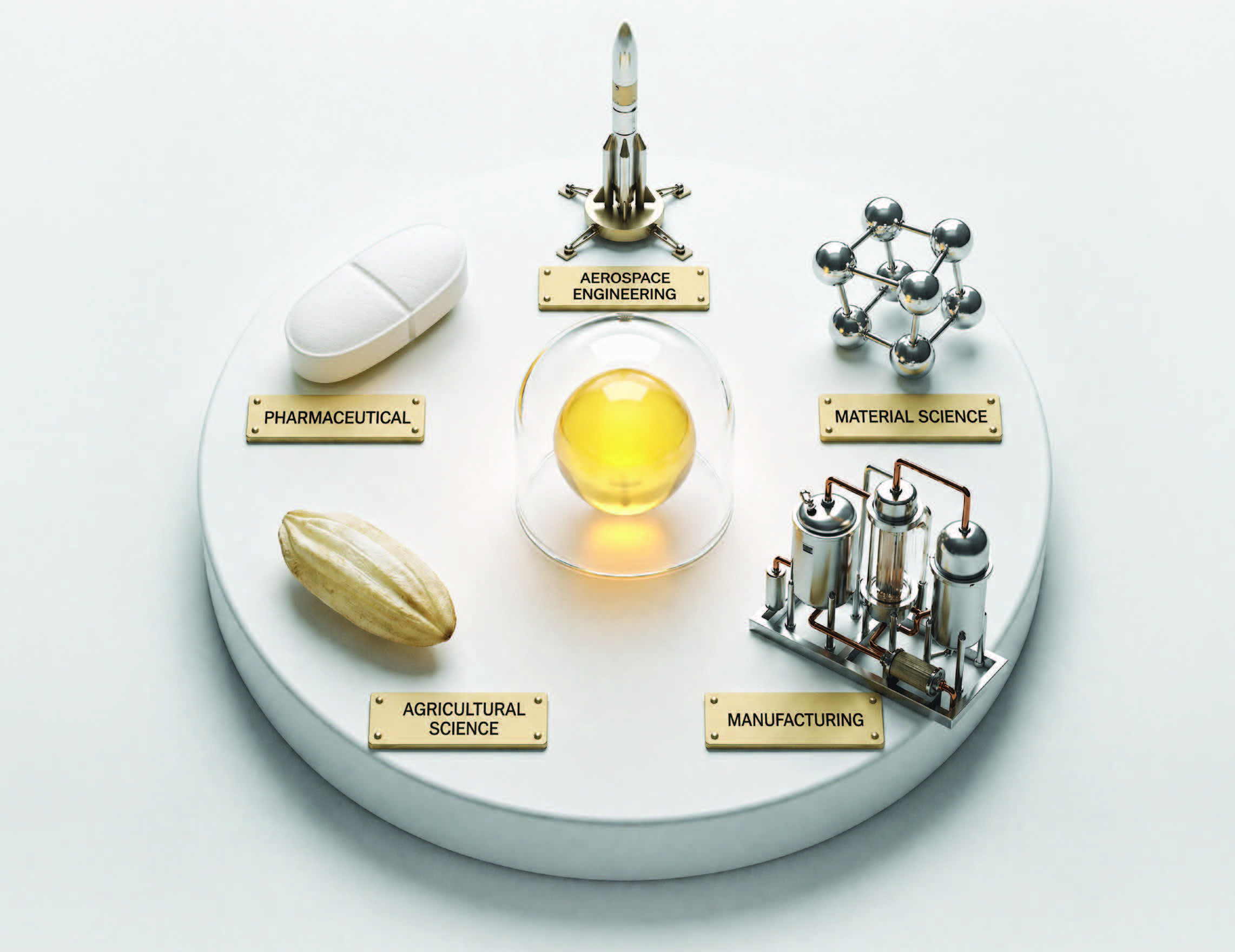

1. Pharmaceutical Science: From the Label to the Dose Reaching the Body
Pharmaceutical science evaluates the success of a formulation not merely by the amount of active substance it contains, but by the extent to which this substance actually reaches the body. The same approach is also important for fat-soluble vitamins and minerals.

BCS assesses oral absorption through solubility and permeability.

Absolute bioavailability indicates the fraction of the administered dose that reaches systemic circulation.

ICH Q1A defines accelerated stability testing under conditions of 40°C/75% relative humidity.

The core message is clear: what matters is not so much the amount stated on the label, but the amount that actually reaches the body.

2. Materials Science: Measuring the Delivery System
Materials science makes the performance of delivery systems more predictable through physical measurements. These measurements enable the protection and release behavior of the system to be evaluated before it reaches the consumer.

1Zeta potential and particle size provide information about encapsulation stability and release behavior.

The molecular weight of PLGA2 and the lactide:glycolide (L:G)3 ratio help control the release duration.

4NLC (Nanostructured Lipid Carrier) systems demonstrate superior performance compared to SLN5 (Solid Lipid Nanoparticle) systems in terms of nutrient loading capacity and stability. Moreover, release data obtained in the laboratory can reliably predict the behavior of the delivery system in vivo.

The relationship between dissolution data and in vivo behavior (IVIVC)6 allows formulation performance to be assessed at an earlier stage.

3. Manufacturing: Controlling Quality Within the Process
Quality is not merely a characteristic tested at the end of production. Critical variables are monitored during manufacturing so that potential problems can be identified as they emerge.

PAT7 (Process Analytical Technology) supports real-time monitoring of parameters such as moisture, particle size and blend homogeneity.

In spray drying, outlet temperature, feed rate and atomization pressure can directly affect encapsulation efficiency.

QbD8 (Quality by Design) brings quality into the product and process design from the very beginning.

Final product testing shows what was produced; in-process control reveals how quality is actually formed.

4. Agricultural Science: The Food Matrix Alters Absorption
The presence of a nutrient in a formulation does not mean that the same amount will be utilized by the body. The food matrix can significantly alter bioavailability.

Phytic acid in cereal matrices can substantially reduce the absorption of non-heme iron.

An increase in the phytate:iron molar ratio9 can suppress iron absorption.
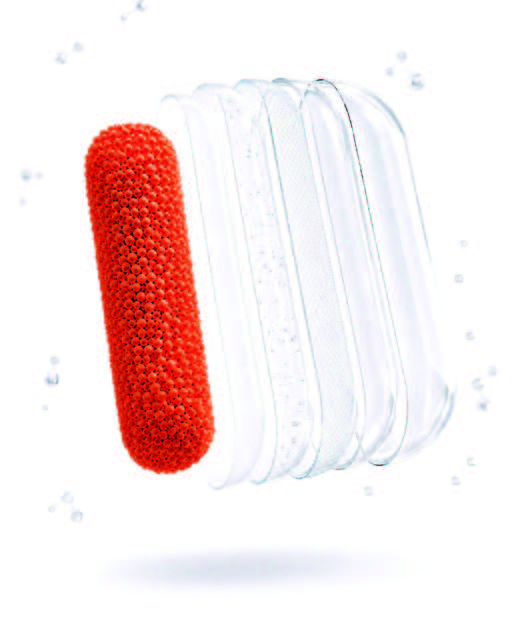

For this reason, simply adding the regulatory-compliant amount in fortification is not sufficient. The matrix, interactions with other components, and actual bioavailability must also be part of formulation decisions.

5. Space Science: Stability Under Real-World Conditions
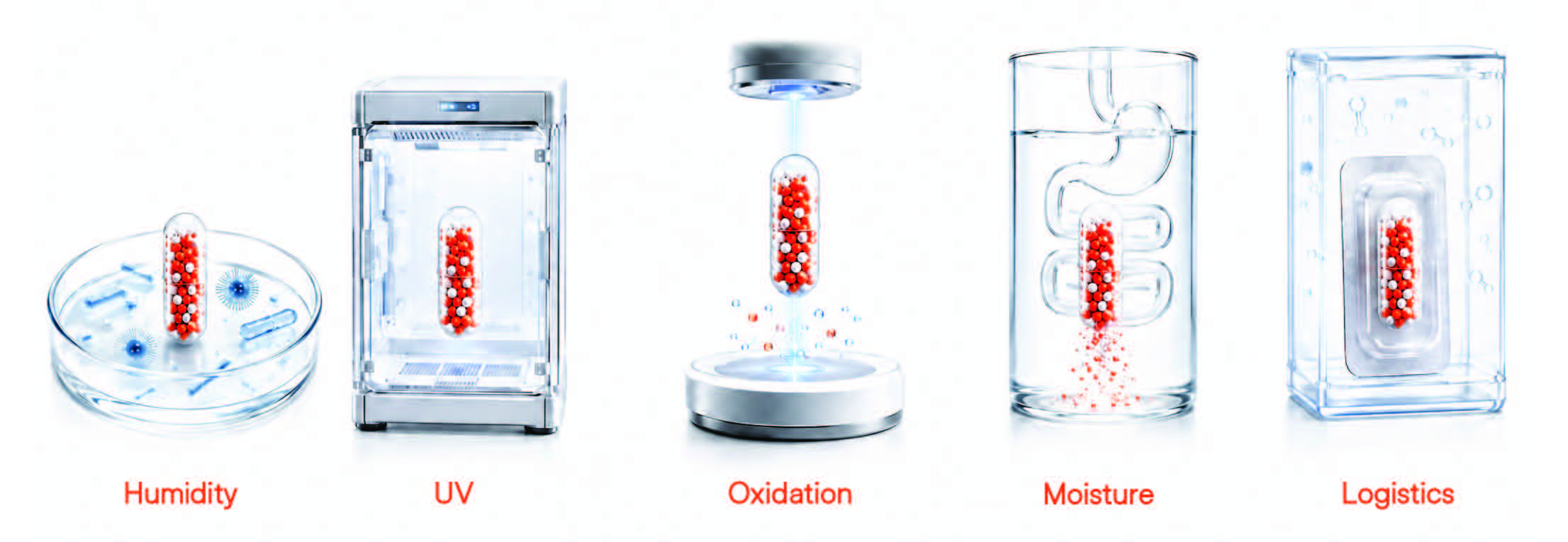
A product's shelf life begins in a controlled test chamber; its real-life journey, however, is far more variable. Moisture, UV, oxygen and temperature fluctuations can affect the stability of vitamins.

The degradation of Vitamin A at different temperatures can be modeled mathematically.

Arrhenius kinetics helps predict shelf life under real-world conditions by utilizing temperature-dependent degradation rates.

In addition to controlled stability testing, accounting for the environmental stresses a product will encounter throughout the supply chain provides a more realistic performance assessment.

6. The Common Gap: Mechanism Exists, Evidence Standard Is Missing
Different scientific fields have brought complementary tools to nutrient delivery:
Pharmaceutical science focuses on validating delivery claims.
Materials science measures performance through physical parameters; engineering monitors quality during production.
Agricultural science examines the matrix's effect on bioavailability, while space research examines degradation under variable environmental conditions.
The next step is to carry not only the technology but also the measurement and verification culture that makes this technology reliable, into nutritional science in a more systematic way.

7. What's Next?
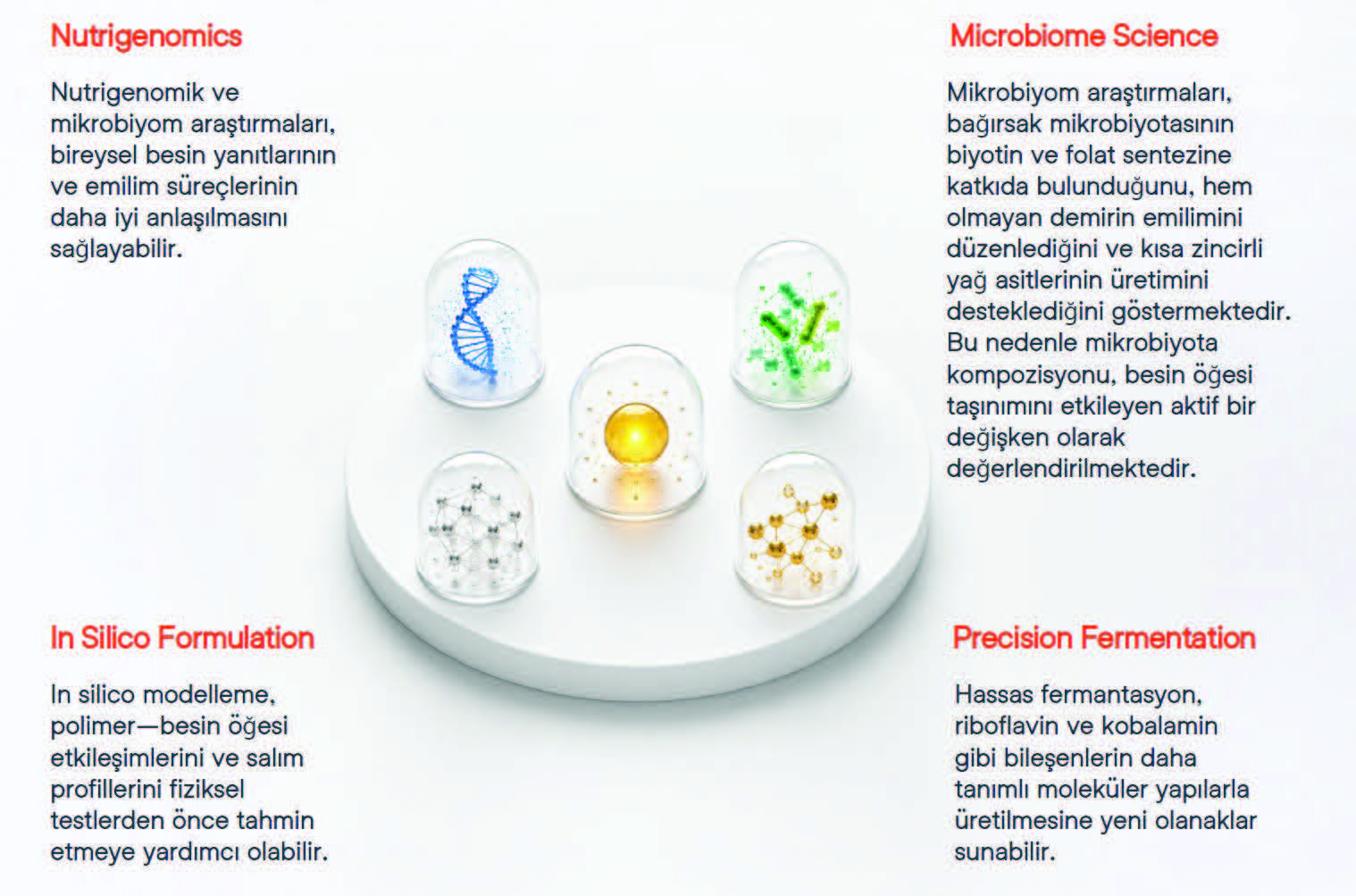
New scientific fields may make nutrient delivery more personalized, measurable and predictable.
8. The Piramal Nutrition Solutions Perspective
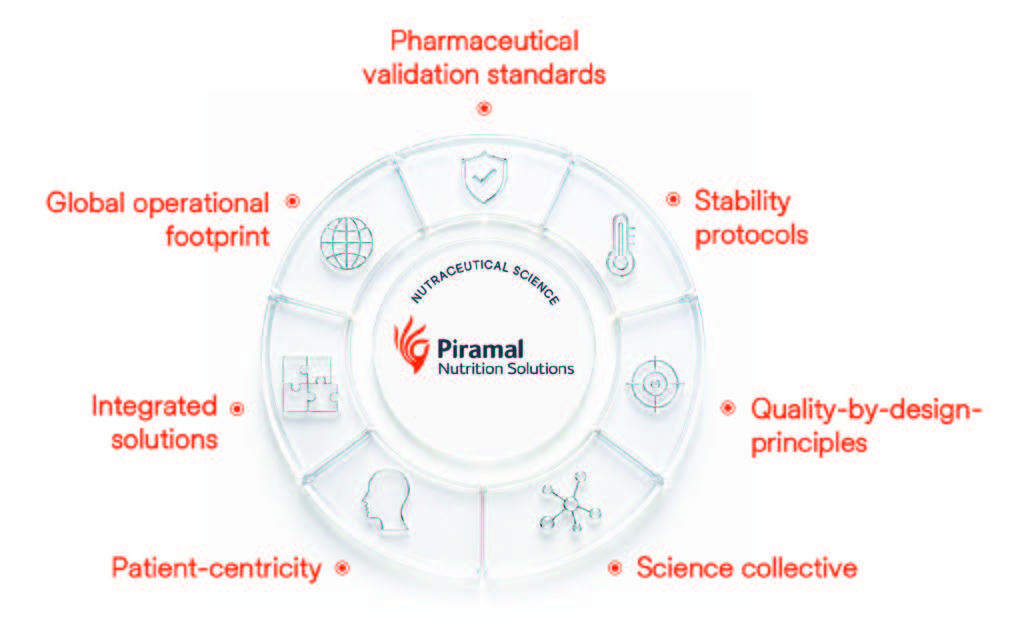
Piramal Nutrition Solutions is part of Piramal Pharma Solutions' global pharmaceutical manufacturing infrastructure. Pharmaceutical validation, stability protocols, the Quality by Design approach, scientific expertise and integrated solutions form a strong knowledge base that can be transferred to nutraceutical sciences.

This comprehensive body of knowledge allows Piramal Nutrition Solutions to evaluate nutrient delivery systems not merely as the delivery of active ingredients, but within the framework of product stability, bioavailability, patient and consumer experience, quality assurance and sustainable manufacturing principles. In this way, the high quality standards and operational expertise acquired in the pharmaceutical sciences are transferred as scientific value into nutraceutical product development processes.

Conclusion
The future of nutrient delivery is not solely about developing new ingredients or new encapsulation technologies. The real transformation is the shift from the question "How much was added?" to the question "How much, in what form, and when did it reach the body?" The opportunity for nutritional science is to bring together the tools of different disciplines with strong measurement and verification standards.

Brief Terms
BCS: Biopharmaceutics Classification System | PLGA: Biodegradable controlled-release polymer | NLC/SLN: Lipid-based delivery systems | IVIVC: In vitro–in vivo correlation | PAT: Process Analytical Technology | QbD: Quality by Design
Sources and Explanations:
1. Zeta Potential: A measure of the electrical charge on the surface of particles, indicating how stable a suspension or emulsion is against agglomeration.
2. PLGA (Poly(lactic-co-glycolic acid)): A biodegradable polymer widely used in the body for the encapsulation and slow release of drugs or nutrients.
3. L:G ratio: The ratio of lactide and glycolide units within PLGA; this ratio determines how quickly the polymer will break down and how long it will take to release the encapsulated active ingredient (higher lactide = slower degradation; higher glycolide = faster degradation).
4. NLC (Nanostructured Lipid Carrier): A lipid-based nanoparticle system made from a mixture of solid and liquid lipids that improves the loading, stability and delivery of active ingredients.
5. SLN (Solid Lipid Nanoparticle): A nanoparticle made entirely of solid lipids, used to protect and deliver drugs, nutrients or bioactive compounds.
6. IVIVC (In Vitro-In Vivo Correlation): A predictive relationship linking laboratory test results with a product's actual behavior within the body.
7. PAT (Process Analytical Technology): A system that enables manufacturers to monitor and control product quality in real time during production, rather than testing only at the end of manufacturing.
8. QbD (Quality by Design): A development approach in which product quality is incorporated into the design of the product and the manufacturing process from the very beginning, rather than relying mainly on final inspections.
9. Phytate:Iron molar ratio: A measure of how much phytate (a natural compound in plants that inhibits mineral absorption) is present relative to iron, which helps predict how much dietary iron the body can actually absorb.

Gallery

Advertisement
Ad Space728 × 90

Related News

Turkchem Araçları

Oyunlardan ve bulmacalardan öğren

Kimya sanayiini oynayarak tanıyın: her hafta yeni bulmaca, etkileşimli periyodik tablo, sektöre özel oyunlar ve ücretsiz hesaplayıcılar.