Eksun Gıda Reports Strong Financial and Operational Performance in First Half of 2026
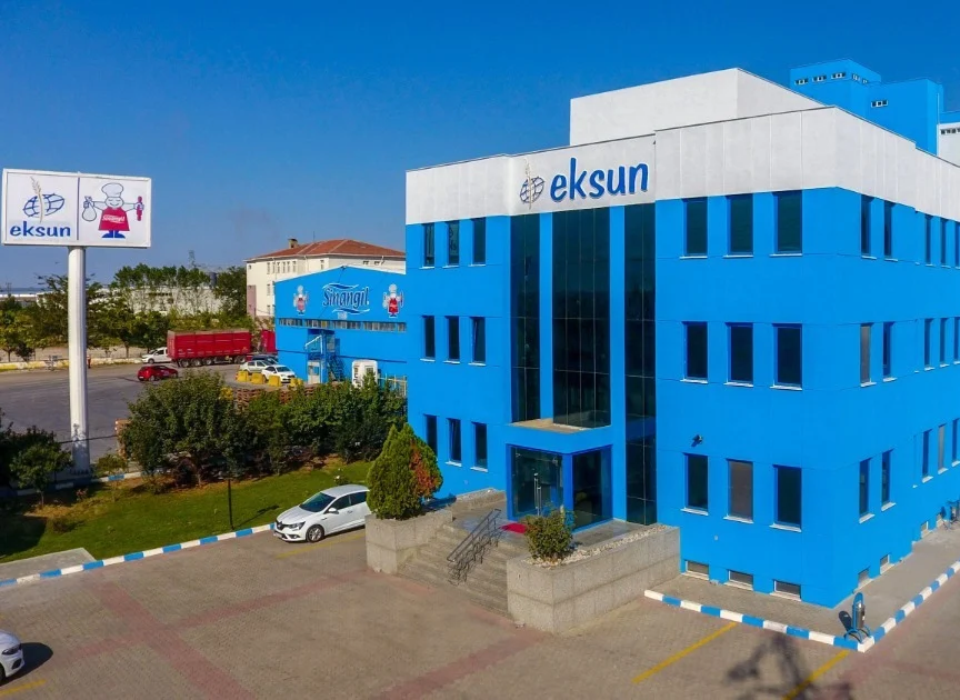
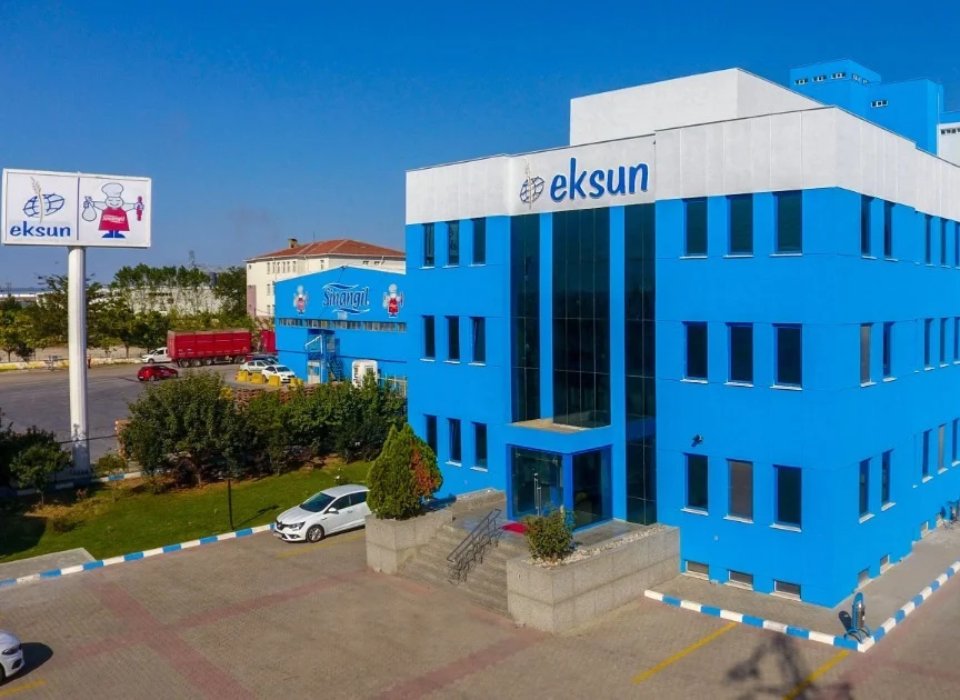
Eksun Gıda, one of Türkiye's leading flour producers, announced its financial results for the first half of 2026 to the Public Disclosure Platform (KAP). According to results prepared under TAS 29 inflation accounting, the company maintained the rise in its operational profitability indicators in the second quarter of the year as well, returning to net profit.
Eksun Gıda, one of Türkiye’s leading flour producers, has announced its financial results for the first half of 2026 to the Public Disclosure Platform (KAP). According to results adjusted for inflation under TAS 29, the company continued to improve its operational profitability indicators in the second quarter and moved into net profit.
Eksun Gıda achieved a significant financial turnaround, moving from a net loss of TRY 909 million at the end of 2024 to a net profit of TRY 36.2 million in the first half of 2026. Over the same period the company’s EBITDA rose 65 per cent year on year to TRY 312.7 million.
Improvement in gross profit and EBITDA margins
According to first-half 2026 results adjusted for inflation under TAS 29, Eksun Gıda’s gross profit rose 9 per cent year on year to TRY 809.4 million. With the contribution of effective cost management, the gross profit margin rose from 11.2 per cent to 13.2 per cent.
The improvement in operational efficiency was also reflected in EBITDA performance. The company’s six-month EBITDA rose 65 per cent to TRY 312.7 million, while the EBITDA margin increased from 2.9 per cent to 5.1 per cent.
A marked improvement was also recorded in net profitability. Eksun Gıda increased its net profit for the period by more than TRY 200 million compared with the same period last year, completing the first half of 2026 with a net profit of TRY 36.2 million.
The strengthening of the company’s financial structure also continued. The debt/equity ratio, which stood at 1.68 at the end of 2025, fell to 1.26 at the end of the first half of 2026.
Profitability indicators also improved in results not adjusted for inflation. On that basis the company’s gross profit rose 40 per cent to TRY 1.1 billion, EBITDA rose 61 per cent to TRY 577.3 million and net profit rose around 120 per cent to TRY 281.8 million.
“We carried our operational performance through to net profitability”
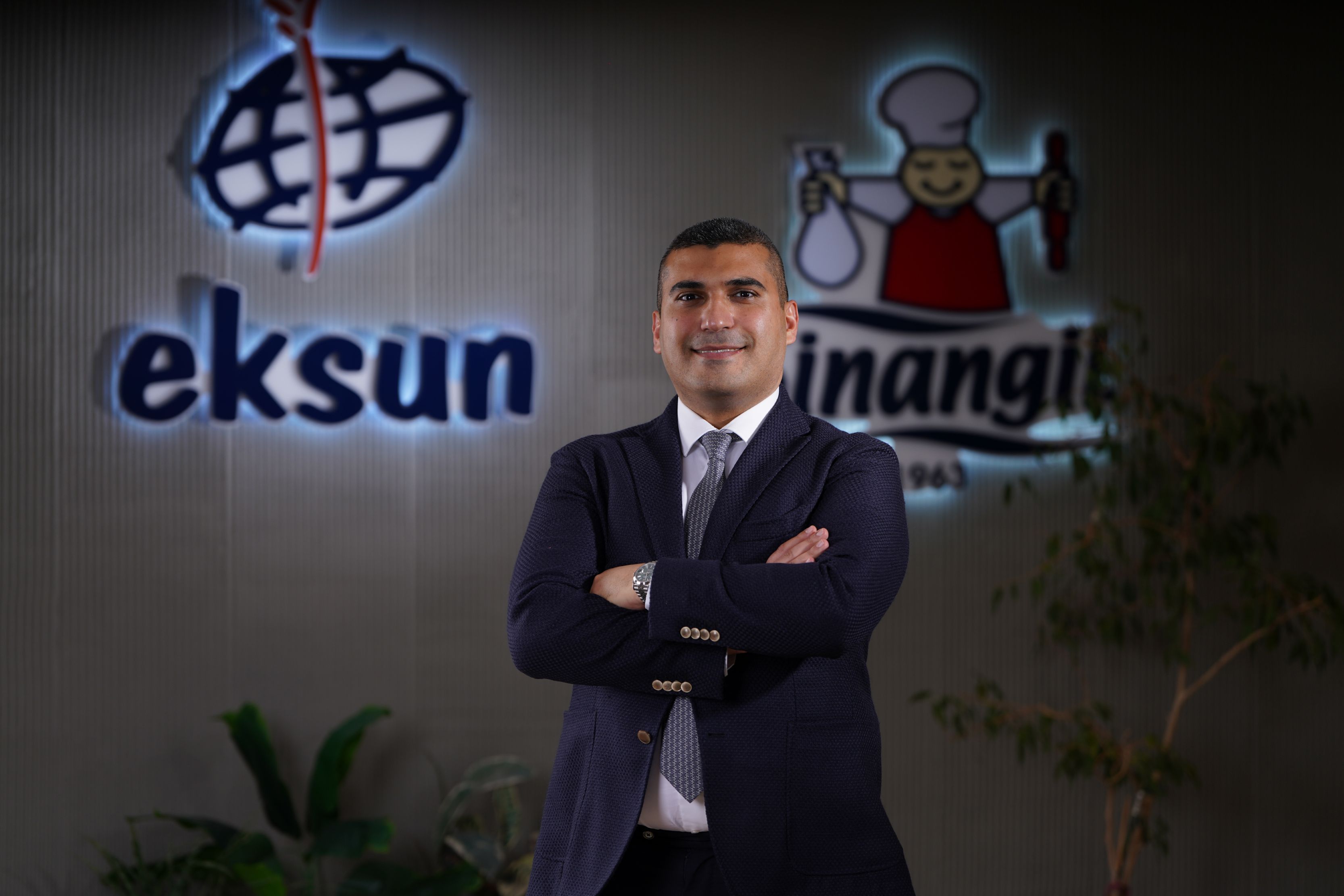
In his assessment of the first-half results, Hasan Abdullah Özkan, Group President and CEO of Eksun Gıda, said the company was progressing in line with the targets it set at the start of the year.
Özkan said: “We can see that the strategic steps we took in the first half of the year are strongly reflected in our financial results. By increasing our net profitability by more than TRY 200 million compared with the same period last year, we reached a net profit of TRY 36.2 million in the first six months of 2026. Over the same period we strengthened our gross profitability and, with the strong momentum in our operational performance, recorded an increase of around 65 per cent in EBITDA.”
Noting that the improvement in profitability indicators was supported by effective cost and inventory management, operational efficiency and the ability to take rapid decisions in the field, Özkan said that with a stronger financial structure they were focused on making that performance sustainable.
Data-driven management and supply chain management to the fore
Digital infrastructure, data analytics and the integration of field information into decision-making play an important role in Eksun Gıda’s operational performance.
Alongside ERP-based systems, the company aims to monitor supply, production, inventory and sales processes end to end through digital infrastructure providing real-time data from the field and AI-supported analytical capabilities.
In raw material procurement, market conditions, developments in global agricultural and food markets, supply risks and price dynamics are assessed together. Data obtained from local and international sources is evaluated alongside the company’s field experience and sector analysis to guide purchasing and supply decisions.
By following diversified supply sources globally, Eksun Gıda aims to make its raw material structure more flexible and resilient, while focusing on maintaining quality and continuity of supply in production.
Exports to more than 20 countries
Alongside a sales network reaching all 81 provinces of Türkiye, Eksun Gıda also continues its activities in international markets. The company exports to more than 20 countries, primarily in the Far East, the Middle East, Africa and Latin America.
Operating with the Sinangil and Sinangil Gluten YOK brands as well as other product groups, the company aims to develop its presence in export markets through production infrastructure and supply capability able to meet the needs of different geographies.
Wind energy investments with 18.9 MW capacity continue
Eksun Gıda is also continuing to invest in increasing the share of renewables in the energy required for its production activities.
Construction continues on wind power plants with a total installed capacity of 18.9 MW, for which the company has obtained incentive certificates in İzmir. Once the investments are complete, Eksun Gıda aims to meet all of the energy needed in its production processes from renewable sources.
Annual wheat processing capacity of around 600,000 tonnes
Part of Eksim Holding since 1996, Eksun Gıda produces flour at its facilities in Tekirdağ and Konya. Operating at sites covering approximately 96,000 square metres of indoor and outdoor space, the company has an annual wheat processing capacity of around 600,000 tonnes.
Eksun Gıda ranked 301st by sales from production in the 2025 survey of Türkiye’s Top 500 Industrial Enterprises (ISO 500).
Alongside its main Sinangil brand, the company has more than 200 product varieties including Sinangil Gluten YOK and sub-branded products. Eksun Gıda’s publicly held shares are traded on the Borsa İstanbul Main Market.
Gallery