Qualified Thermal Insulation Acts as a Shield Against Earthquake Risk
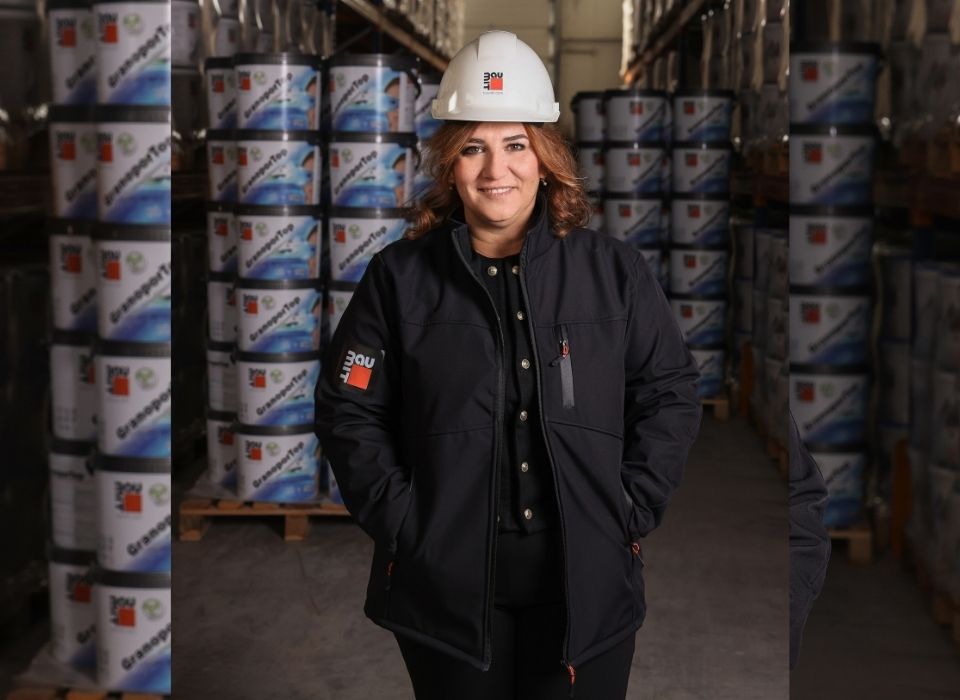
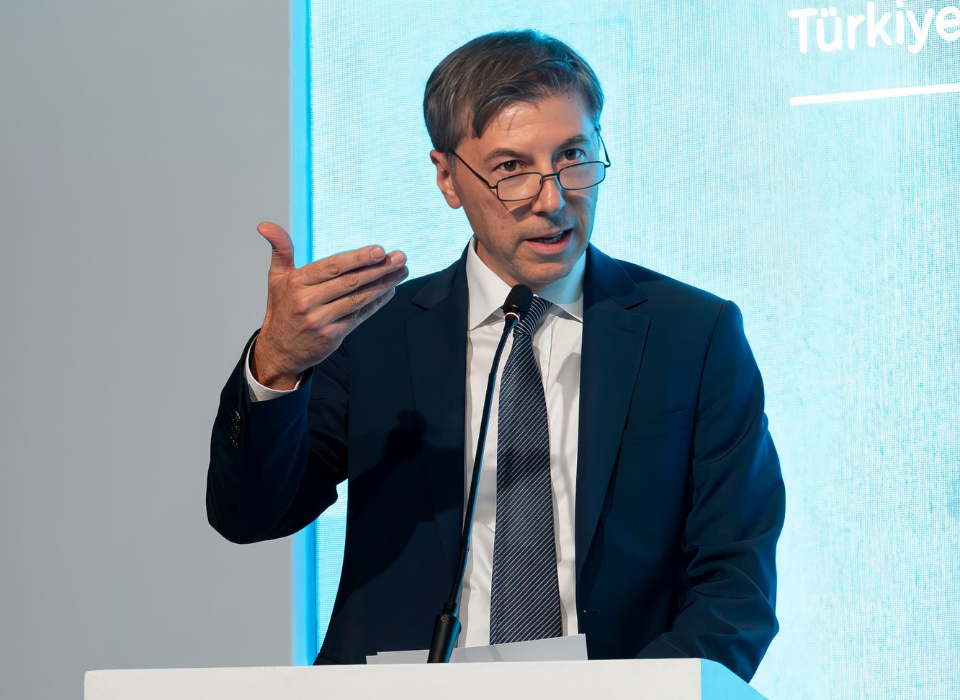
Meltem Bayraktar San, Technical Manager of Baumit Turkey, made statements on the occasion of the 1-7 March Earthquake Week, noting that insulation materials increase a building's resistance to external factors and help preserve structural integrity during earthquakes. San also emphasized that thermal insulation makes a significant contribution to keeping structures sound by preventing problems such as moisture, condensation and corrosion that can occur in buildings.
On the occasion of 1-7 March Earthquake Week, Baumit Turkey Technical Director Meltem Bayraktar San stated that insulation materials increase the building's resistance to external factors and help protect structural integrity during earthquakes. San also emphasized that thermal insulation contributes significantly to keeping structures sound by preventing problems such as moisture, condensation, and corrosion that can occur in buildings.
Approximately 73 percent of Turkey's population lives in first and second-degree earthquake zones. However, according to data from the Ministry of Environment, Urbanization and Climate Change, of the approximately 19 million building stock in our country, an average of 6-7 million units are classified as risky. Given these figures, making buildings in Turkey earthquake-resistant is of vital importance. In this context, qualified thermal insulation plays a critical role alongside proper projects and inspections in building construction.
"40 percent of Turkey's building stock needs urgent renewal"
Emphasizing that buildings in areas with high earthquake risk must be placed on solid ground and that soil investigation work must be carried out carefully, Meltem Bayraktar San stated: "According to research conducted by ITU Foundation, approximately 43 percent of Turkey's population lives in first-degree earthquake zones and 30 percent in second-degree earthquake zones. In other words, approximately 73 percent of our country's population lives in earthquake-prone areas. On the other hand, according to data from the Ministry of Environment, Urbanization and Climate Change, Turkey has approximately 19 million residential units. While approximately 5 million housing units built after the 1999 earthquake are considered to be in good condition, 14 million housing units need to be examined from a disaster risk perspective.
When structures with insufficient earthquake design and material strength, as well as structures built illegally without engineering services, are considered, according to ministry data, it is estimated that 6-7 million housing units, equivalent to approximately 40 percent of our country's total building stock, need to be renewed or reinforced. Taking these data into account, the importance of constructing earthquake-resistant buildings stands as an indisputable fact. In this context, designing buildings in accordance with engineering rules and conducting the construction process under supervision are highlighted as the most important factors in increasing earthquake safety. Additionally, qualified thermal insulation that ensures building integrity also contributes significantly to building safety by increasing structural strength. This is because thermal insulation reduces heat movement and vapor condensation, helping prevent problems such as moisture, condensation, and corrosion that can occur in buildings."
"Buildings without thermal insulation become less durable over time"
Pointing out that thermal insulation is necessary for healthier and safer living spaces in the long term, San stated: "The absence of properly and continuously applied qualified thermal insulation systems on building facades can cause the building to lose durability over time. Standardizing thermal insulation in the creation of earthquake-resistant buildings helps minimize the impact of potential future disasters. Of course, it is important that qualified thermal insulation is included in the design phase of a construction project. In our country, thermal insulation has been mandatory in buildings constructed after 2017, when the Energy Performance of Buildings Regulation came into effect.
However, it should not be forgotten that thermal insulation can also be applied later to buildings constructed before this date that lack thermal insulation or have insufficient and unqualified thermal insulation applications. Having cladding applied without delay to protect buildings from condensation and corrosion helps extend the building's lifespan. At this point, cooperation between the public and private sectors and the effective functioning of inspection mechanisms are of great importance. Compliance with building regulations and the encouragement of energy-efficient solutions in buildings are critical steps from both environmental and economic sustainability perspectives.
In conclusion, thanks to qualified thermal insulation, the extension of buildings' lifespans and durability makes a significant contribution to ensuring earthquake safety. As Baumit, we aim to support the creation of healthy living spaces through the awareness we have created in the sector. We will continue to produce innovative solutions that prioritize building safety in order to create cities resistant to earthquakes."
Galeri

Advertisement
Reklam Alanı728 × 90