NETAFIM Türkiye launches "water efficiency" initiative aligned with National Water Plan
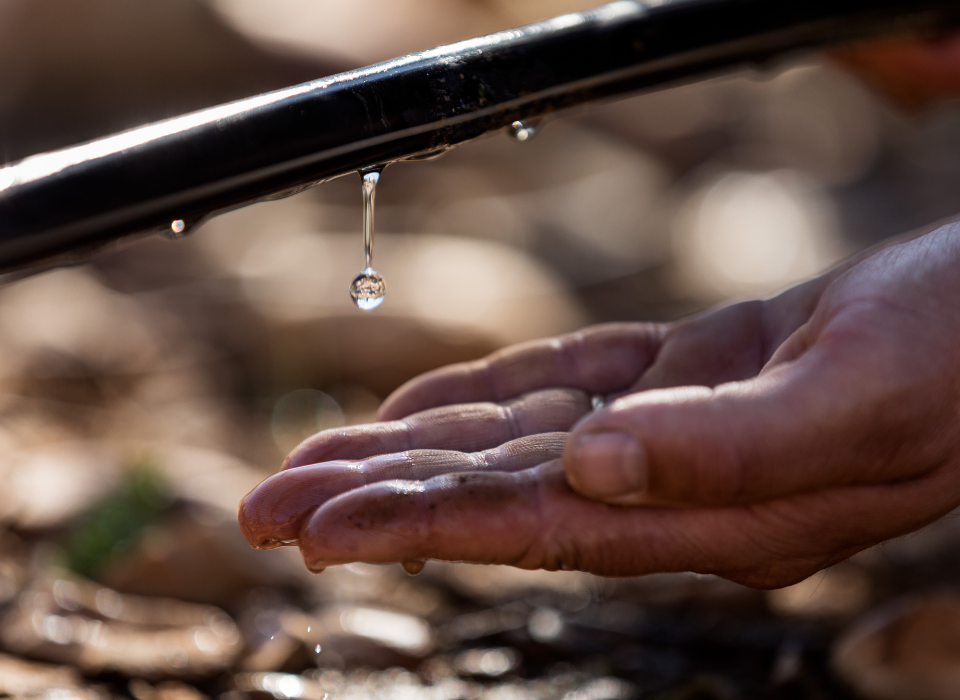
The National Water Plan (2026–2035), which entered into force through Presidential Decree No. 11063 dated 14 March 2026, is shaping Turkey's water management approach for the next 10 years. The plan aims to ensure the efficient use of water within the framework of sustainable development, reduce pollutant effects, improve water quality and strengthen infrastructure.
The National Water Plan (2026–2035), which entered into force through Presidential Decision No. 11063 dated 14 March 2026, sets the direction for Turkey's water management approach over the next 10 years. The plan aims at efficient use of water within the framework of sustainable development, reduction of polluting effects, improvement of water quality, and strengthening of infrastructure.
NETAFIM, one of the leading companies in the agricultural irrigation sector, is repositioning its activities in Turkey in line with the National Water Plan, continuing its research and development and production efforts in alignment with this strategy. The company is accelerating its efforts to increase water–productivity–energy efficiency focused on climate risk adaptation, digital traceability, and decision-support systems, while establishing a "working and monitoring group" for full integration with the plan.
Pınar Parmaksız, General Manager of NETAFIM Turkey, made the following statement on the matter:
"At NETAFIM, we carefully evaluate our long-standing field observations, the data we have obtained, and examples of agricultural water management and productivity-enhancing practices from around the world as fundamental inputs to our sustainability strategies, placing them at the center of our production, research and development, and commercial activities. We share the current results of these efforts with public institutions, universities, civil society organizations, farmers, and other stakeholders. We find the National Water Plan detailed and shaped by the Ministry of Agriculture and Forestry to be extremely important."
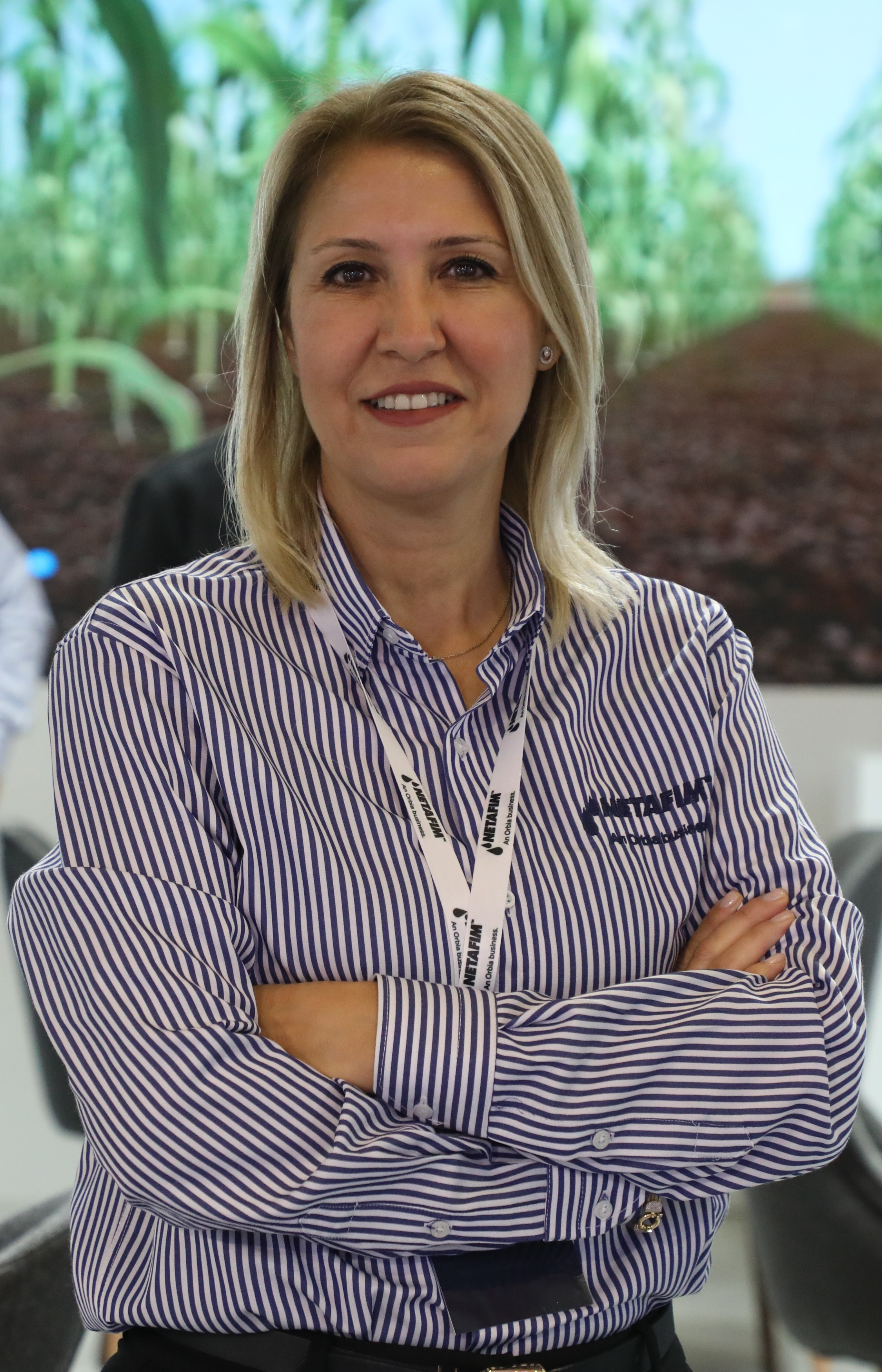
Drawing attention to the role of the private sector in digitalization in agriculture and increasing water efficiency, Parmaksız continued his remarks as follows:
"As we feel the effects of drought more and more each day, we place great importance on precision agriculture and irrigation approaches. For more than a quarter century in Turkey's market, we have taken important steps with our team to promote drip irrigation systems with the aim of making agricultural productivity growth synonymous with water savings. We see that digital agriculture and automation are no longer a conceptual choice, but have become an integral part of water management; and that this approach is being increasingly adopted each year. We believe that the new 10-year National Water Plan, which anticipates the management of water resources with smart technologies through digital transformation, will play an important role in strengthening this vision."
Emphasizing that infrastructure choices are critical in terms of the efficiency and sustainability of irrigation investments, Parmaksız noted the following:
"Laying irrigation pipes underground; particularly reduces water loss due to evaporation while eliminating the repeated laying and collection work that recurs each season. In the coming period, state incentives and subsidies opening the way to the widespread adoption of subsurface irrigation systems both in fields and in gardens with more comprehensive content will undoubtedly fully align with the overall perspective of the 2026–2035 National Water Plan."
Noting that reducing daily per capita water consumption in Turkey is among the critical targets, Parmaksız concluded his remarks as follows:
"Agricultural activities continue to be the sector that consumes water the most, at 70 percent. The main reasons for this are incorrect conventional wisdom about irrigation, inefficiency, and traditional practices. Current per capita water consumption is approximately 45 percent above the average of European countries. With the experience NETAFIM has gained from its activities in 110 countries, I believe we can make significant contributions to the targets set by the National Water Plan in the direction of more rational use of water; future generations experiencing less impact from climate risks; and manageable water use being internalized by all our people, especially our farmers."
Gallery