AI Transformation in the Polyurethane Industry
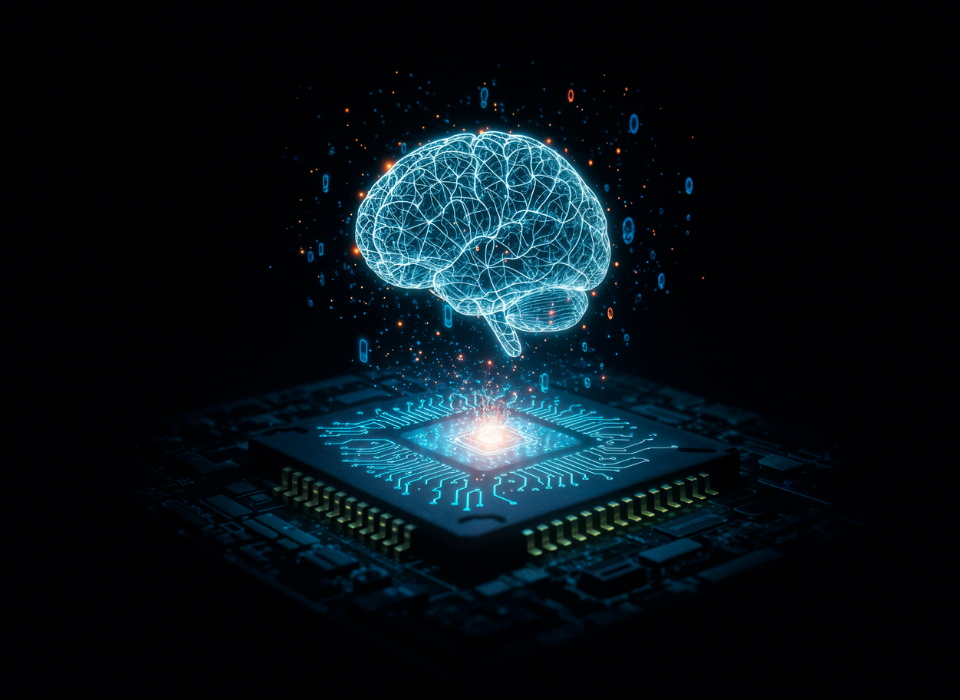
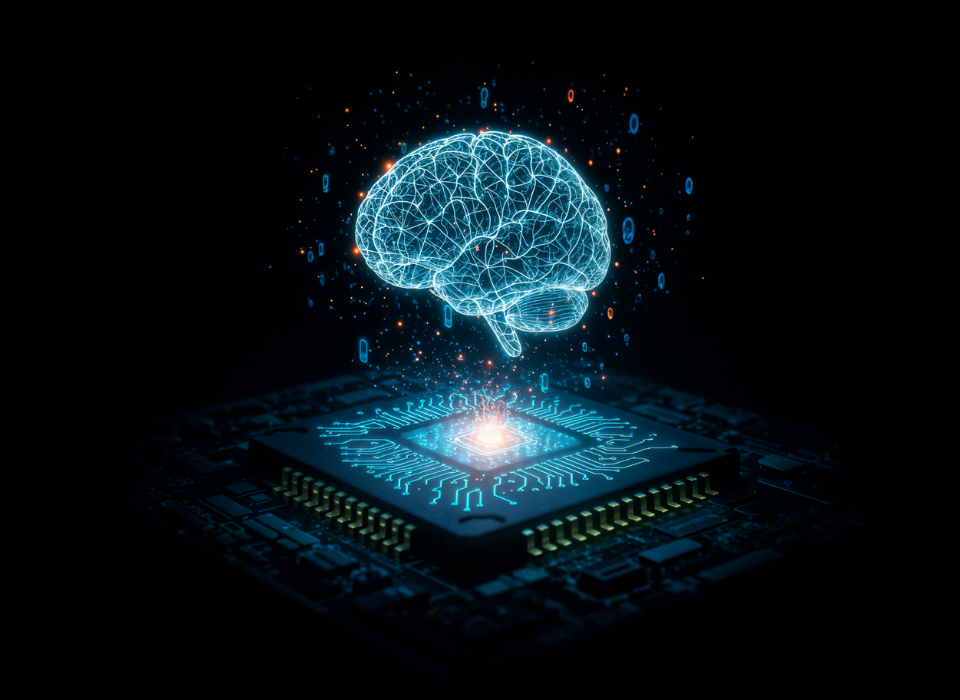
With advancing technology, industrial manufacturing processes are undergoing a radical transformation. One of the most dynamic links in this transformation is the polyurethane industry, which finds application in every area of life, from flexibility to insulation, from automotive to construction. Polyurethane, one of the most versatile members of polymer chemistry, brings challenges such as time, high costs and delicate formulation balances when processed using traditional methods. Artificial intelligence and machine learning algorithms, stepping in at precisely this point, are reshaping every process from the R&D stage of polyurethane to the quality control of the final product, helping carry the industry toward a smarter, more efficient and more predictable future.
Industrial production processes are undergoing radical transformation alongside advancing technology. One of the most dynamic segments in this shift is the polyurethane sector, which finds applications ranging from elasticity to insulation, from automotive to construction. Polyurethane, a versatile member of polymer chemistry, presents challenges such as time constraints, high costs and sensitive formulation balances when processed using traditional methods. At this juncture, artificial intelligence and machine learning algorithms are reshaping all processes from polyurethane R&D through final product quality control, helping drive the sector toward a smarter, more efficient and more predictable future.
Traditional polyurethane synthesis relies on intensive and time-consuming "trial-and-error" processes conducted in laboratory settings. Matching isocyanate and polyol components in correct proportions, integrating catalysts, blowing agents and additives into the system requires chemists to conduct tests spanning weeks. Artificial intelligence, by analyzing historical production data and molecular combinations, can simulate the optimal formulation for targeted parameters such as density, elasticity or thermal insulation coefficient (lambda value) within seconds. This minimizes raw material waste in R&D laboratories while significantly shortening the time to bring a new polyurethane system to market.
Materials science-focused artificial intelligence applications are also breaking new ground in optimizing polyurethane's molecular architecture. Artificial neural networks (ANN) examine the microstructural properties of polymer chains, solving non-linear relationships between material behavior and chemical bonds. For example, the comfort factor of high resilience (HR) block foams used in automotive seats or the abrasion resistance required by industrial floor coatings can be predicted by AI models before raw materials even enter the reactor. This gives designers the freedom to develop specialized molecular structures that push theoretical boundaries.
The use of AI-enabled IoT (Internet of Things) sensors on production lines enables the "zero-defect" vision to become reality in polyurethane injection and casting processes. In reaction injection molding (RIM) or continuous panel production lines, dynamic variables such as temperature, pressure and flow rate are monitored in real time by AI algorithms. The slightest deviation during reaction or early gelation risk is detected in advance by the system, which automatically optimizes production parameters. This makes it possible to prevent chronic production defects such as air voids in foam structure or uneven cell distribution, significantly reducing scrap rates.
In the fields of sustainability and circular economy, which rank among today's chemical industry's most important agenda items, artificial intelligence is also guiding the polyurethane sector. AI algorithms facilitate the integration of bio-based polyols and recycled plastics into polyurethane formulations during the development of bio-based alternatives and reduction of petrochemical inputs.
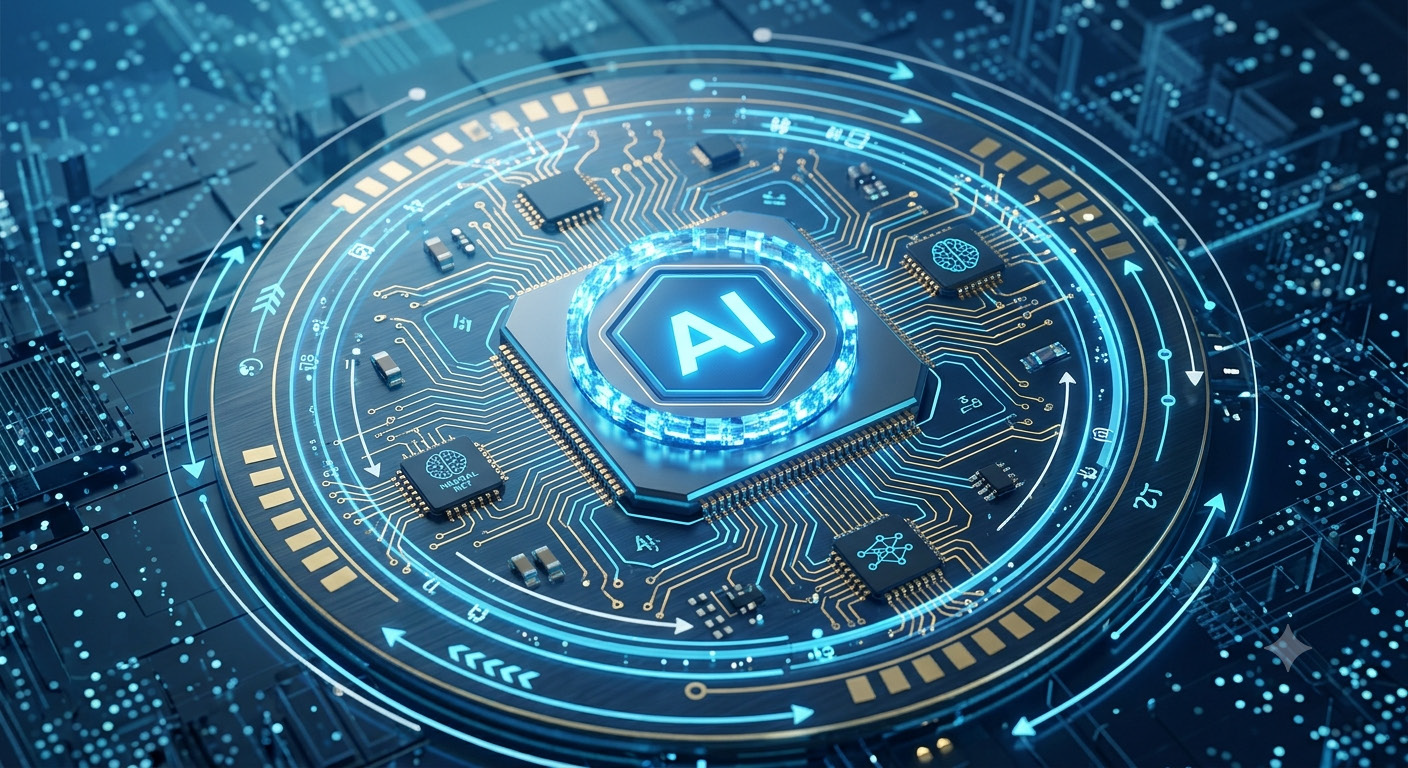
Furthermore, AI manages the optimization of reactor conditions in chemical recycling processes (glycolysis, acidolysis, etc.) for end-of-life polyurethane products, bringing the purity and efficiency rates of recovered raw materials to the highest levels.
Another major advantage AI brings to the polyurethane sector is predictive maintenance strategies. High-pressure polyurethane metering machines and precision mixing heads, operating with abrasive chemicals, are subject to mechanical wear over time. AI-based systems continuously analyze vibration, current and temperature data from these machines, providing the ability to predict when a potential failure might occur. This prevents operational downtime, ensures production line continuity and makes possible significant reductions in facility maintenance costs.
In supply chain and market analytics dimensions, artificial intelligence also offers polyurethane producers a strategic advantage. Global raw material market price fluctuations, logistics crises and seasonal demand variations are processed through big data analytics to create forecasting models for the future.
Artificial intelligence can predict which polyurethane systems will see increased demand in which periods (for example, sandwich panel systems for the insulation sector in summer months, footwear soles or furniture sector in winter months), enabling producers to optimize inventory management and purchasing strategies most efficiently.
When polyurethane's flexible and innovative nature combines with artificial intelligence's analytical power, it is possible to say that an intelligent ecosystem emerges in line with Industry 4.0 standards. In the future, many innovations will come to life through the partnership of these two disciplines—from designing self-healing smart polyurethane materials to completely autonomous digital twin production facilities. Polyurethane producers who succeed in integrating artificial intelligence into their business processes will play a leading role not only in achieving operational efficiency but also in global competitiveness and adapting to green deal targets.
Gallery