12 Important Rules That Reduce Cancer Risk
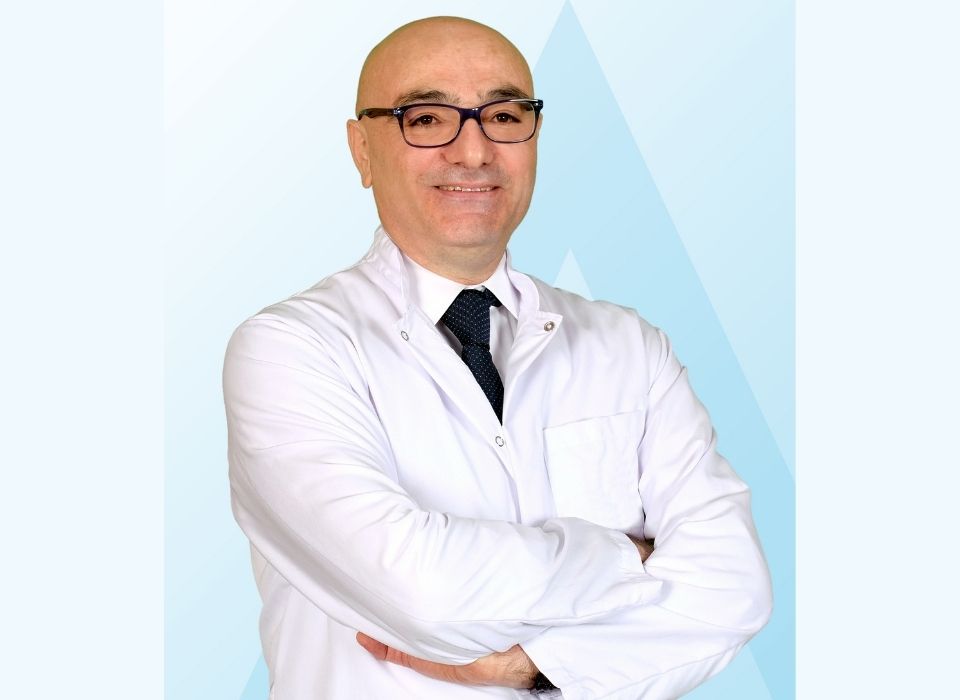
Prof. Dr. Ali Arıcan, Medical Oncology Specialist, outlined 12 rules to pay attention to in cancer prevention, offering important recommendations and warnings.
Medical Oncology Specialist Prof. Dr. Ali Arıcan explained the 12 rules we need to follow to protect ourselves from cancer; he provided important recommendations and warnings!
Medical Oncology Specialist Prof. Dr. Ali Arıcan at Acıbadem University Atakent Hospital points out that while cancer ranks first among causes of death, establishing healthy lifestyle habits and undergoing regular health check-ups cannot completely eliminate cancer risk but can reduce it significantly. He states: "The most important measures we must take to protect ourselves from cancer are not smoking and limiting alcohol consumption, placing importance on regular exercise, eating healthily, and undergoing screening tests."
Quit smoking immediately!
Smoking is a major factor that can lead to the development of at least 16 different types of cancer, particularly lung cancer. For example, scientific studies show that 90 percent of lung cancer develops due to smoking and tobacco products. Although in recent years regulations targeting smoking in our country have resulted in some improvement in lung cancer rates, the damage caused by smoking continues to be a major problem. The reason is that harmful chemicals in cigarettes damage body cells and cause changes in DNA, paving the way for cancer development. Therefore, staying completely away from tobacco products constitutes the most effective protection method you can take against cancer.
Consume at least 5 servings of vegetables and fruits daily
Adopting a diet containing at least 5 servings of vegetables and fruits daily, along with whole grains and healthy fats, can reduce cancer risk. Limiting processed meats and excessive red meat consumption is also important. For example, limit red meat to a maximum of 500 grams per week and prefer white meats such as fish and chicken instead. Foods rich in antioxidants and fiber can also help reduce cancer risk.
Exercise at least 150 minutes per week
Exercising at least 150 minutes per week at moderate intensity, for example brisk walking, can reduce cancer risk. Medical Oncology Specialist Prof. Dr. Ali Arıcan states: "What matters when exercising is that it is rhythmic, meaning it is continuous. Regular physical activity prevents obesity, controls hormone levels, and strengthens the immune system."
Maintain your ideal weight
Obesity, an important problem of our age, constitutes a significant risk factor for certain types of cancer such as breast, colon, and uterine cancer. Obesity can increase cancer risk by increasing levels of certain hormones such as insulin and estrogen in the body and causing inflammation. For this reason, maintaining a healthy weight can reduce cancer risk.
Limit alcohol consumption
Alcohol is a factor that can increase the risk of developing certain cancers such as esophageal and pancreatic cancer. The reason is that it can cause genetic damage in cells and weaken the body's immune system. Therefore, limiting alcohol consumption can help reduce risk.
Do not neglect screening tests
Medical Oncology Specialist Prof. Dr. Ali Arıcan emphasizes that one of the most important rules you need to follow to protect yourself from cancer is "regular check-ups and screening tests," stating: "Undergoing regular health check-ups and screening for breast cancer with mammography, colorectal cancer, and cervical cancer screening is quite important for early diagnosis of cancer and detection of lesions that cause cancer development."
Pay attention to environmental toxins
Environmental toxins are harmful substances that can contribute to cancer development. These toxins can come from both natural sources and man-made products and are usually found in the air, water, food, or various surfaces in our environment. Medical Oncology Specialist Prof. Dr. Ali Arıcan warns that exposure to environmental toxins can increase cancer risk by causing DNA damage and inflammation, and states: "Factors such as asbestos, lead, mercury, arsenic, pesticides, and air pollution are environmental toxins. To protect yourself from cancer, it is important to avoid these toxic substances if possible and to improve working conditions."
Be sure to get vaccinated
Some cancers develop as a result of infections caused by viruses. Therefore, preventing infections is vital to prevent these types of cancers. Medical Oncology Specialist Prof. Dr. Ali Arıcan, noting that vaccines can reduce cancer risk by preventing infections caused by these viruses, provides the following information: "For example, with the HPV (Human Papillomavirus) vaccine it is possible to protect yourself from cervical cancer and oral cancers, and with the Hepatitis B vaccine it is possible to protect yourself from liver cancer."
Protect yourself when exposed to the sun
Excessive exposure to the sun's harmful rays increases skin cancer risk. The sun's ultraviolet rays can damage skin cells and cause cancer development. Using sunscreen before going out in the sun, wearing a hat, and being careful not to spend too much time in the sun are of great importance in protecting against skin cancer.
Do not consume processed, salty, and excessively cooked foods
To protect yourself from cancer, it is very important to avoid processed meats, salty and excessively cooked foods, and hot beverages. Processed meats release nitrates and nitrites, high-salt foods and excessively cooked foods, especially charred meats, release substances that cause cancer such as acrylamide and polycyclic aromatic hydrocarbons, and hot beverages cause inflammation, particularly increasing the risk of stomach and esophageal cancer.
Question genetic factors and your family history
If there is a history of cancer in your family, it is important to obtain information from your doctor about how frequently you should undergo genetic tests and screening tests.
Avoid excessive stress
Although it is a controversial topic, chronic stress can weaken the immune system, lead to changes in lifestyle such as smoking and alcohol use, and as a result increase the risk of cancer development. Stress management techniques, meditation, and relaxation methods can be beneficial in reducing cancer risk.
Gallery