As Glaciers Rapidly Melt, So Do Our Future and Livelihoods
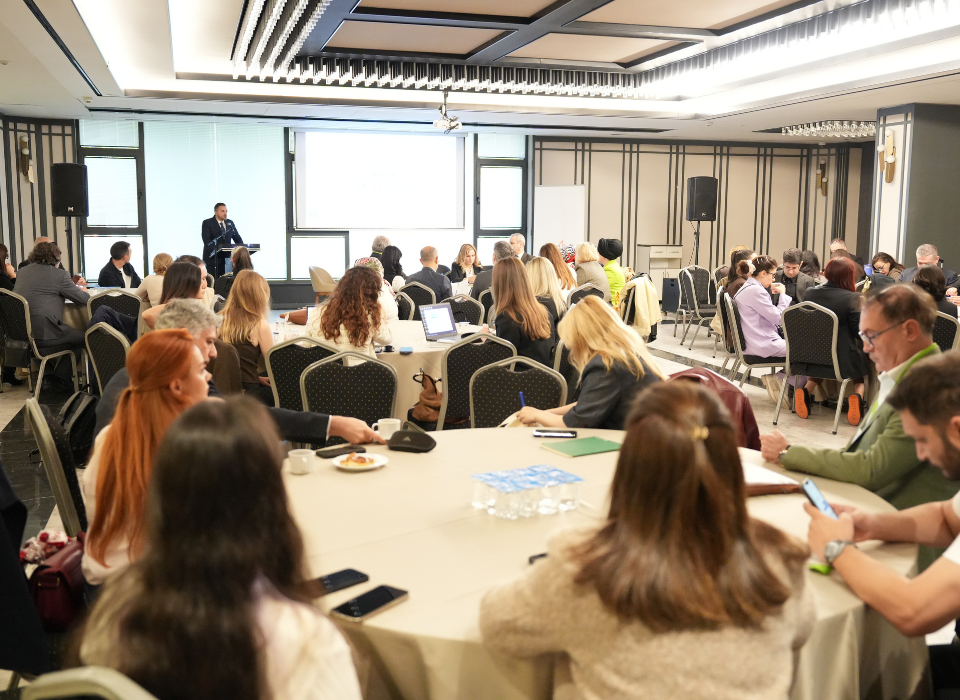
Prof. Dr. Filiz Karaosmanoğlu, President of the Sustainable Production and Consumption Association (SÜT-D), called for the protection of glaciers and water resources and a halt to climate change, warning that as glaciers melt, our future and livelihoods are melting away as well.
For World Water Day on 21 March 2025, with the theme "Glacier Protection," the urgent need for joint action to place glacier conservation at the centre of climate change and global water crisis mitigation planning has been stressed, given the serious impacts that rapidly melting glaciers and water flow irregularities will have on humans, agriculture, tourism, industry, energy and ecosystems. Prof. Dr. Filiz Karaosmanoğlu, Faculty Member at Istanbul Technical University (ITÜ) and Chairman of the Sustainable Production and Consumption Association (SÜT-D), called for protecting our glaciers and water and putting a stop to climate change, saying: as our glaciers melt, so do our future and livelihoods.
The Sustainable Production and Consumption Association, in its World Water Day statement, emphasised that water is essential drinking water for humans, an input for agriculture and industry, a renewable source for the energy sector, important for tourism, and one of countries' precious national assets. The Association noted that only 2.5 per cent of water is freshwater, and most of this freshwater is in glaciers; as climate changes, the rapid melting of glaciers endangers human shelter, energy, food and health access, livelihoods; species disappear; and our future melts, calling for protecting our glaciers and water and putting a stop to climate change.
We must protect our glaciers
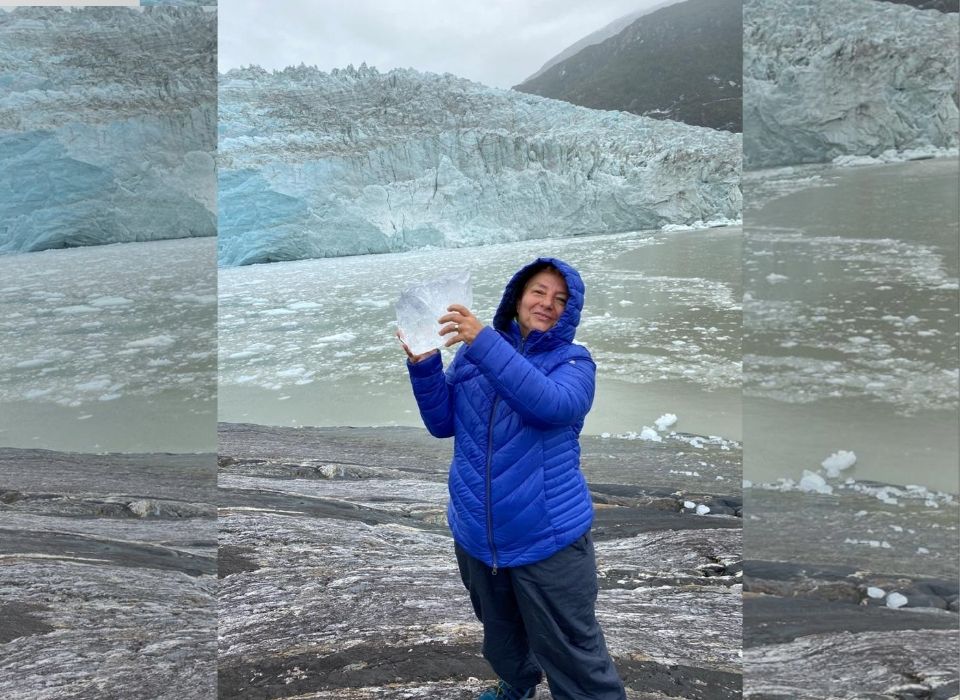
SÜT-D Chairman Prof. Dr. Filiz Karaosmanoğlu stated: "The UN General Assembly declared 2025 the 'International Year of Glacier Conservation' and announced that starting this year, 21 March will be 'World Glacier Day.' The 2025 UN World Water Day also has the theme 'Glacier Protection.' Water exists in the air, on the surface, underground and in oceans. Only 2.5 per cent of water is freshwater, most of which is in glaciers, with the remainder in groundwater. There is very little freshwater in the air and on the surface. Approximately one-tenth of land area is covered with glacial ice, with large-scale polar and smaller mountain glaciers.
Nature's water reservoir, glaciers are critically important for life, and their melt waters are indispensable for healthy ecosystems," the Association emphasised. While our planet's water cycle, human, plant, animal and microorganism life is indispensable, access to water is everyone's right. 2.2 billion people live without safe drinking water. Water is everywhere. Drinking water; input in agriculture and industry; an energy source; in tourism, a route—we live, survive and flourish with water. As humans produce, consume and provide services for other humans, the greenhouse gas emissions we directly and indirectly cause lead to increases in global surface and ocean temperatures, climate change, and rapid melting of our glaciers. The water cycle becomes unpredictable," the Association noted, drawing attention to the urgent need to protect our glaciers.
Climate change, glaciers and survival strategy
Prof. Karaosmanoğlu stated: "While the past ten years from 2015-2024 have been the hottest decade on record, 2024 saw the record of the first year in which global average surface temperature was 1.55°C above the 1850-1900 period average, and climate is changing rapidly. Climate will change. With climate change come precipitation anomalies, sea level rise, loss of snow, sea ice and glaciers, drought, heat waves, cold waves, heat islands, fires, air quality deterioration, migration and epidemics that threaten our lives. We cannot ignore the destruction caused by the unprecedentedly rapid melting of glaciers, and as oceans warm, the problems that occur in human and wildlife life. For example, difficulties in fishing and in the lives of polar bears and penguins. For these reasons, glacier conservation must be our survival strategy; we must reduce greenhouse gas emissions, manage melt water for human and planetary benefit in a more sustainable way, and must act and work together," he said.
Turkey, our glaciers and carbon management
Dr. Karaosmanoğlu stated: "Our country has valley glaciers, cliff glaciers and summit glaciers in the Eastern Black Sea Mountains, Taurus Mountains and volcanoes. The largest and only summit glacier, with a surface area of approximately 10 square kilometres, is on Mount Ağrı. The largest and 20,000-year-old valley glacier is the Cilo Mountain Uludoruk Glacier, and experts report that our glaciers melt between 1 and 20 metres per year, and that if the current trend is not halted, the Cilo Mountain glaciers will disappear in the coming 20-50 years. We are all responsible for climate change. At home, at school, at work, on the road, in fields, in forests, we must reduce our greenhouse gas emissions and put a stop to climate change.
The atmosphere and water have no borders. Everyone has a responsibility. SÜT-D also announced that, with the priority objective of increasing Turkey's carbon management capacity, and with the primary support of the Ministry of Environment, Urbanisation and Climate Change and ITÜ, it will bring stakeholders together at the 10th Istanbul Carbon Summit, the first and only of its kind, to be held on 14-15 April 2025 on the Ayazağa Campus, which ranked "World's 38th most sustainable, 22nd in Europe, and our country's number one campus for eight years running" in the 2024 UI GreenMetric rankings, and announced that SÜT-D's 2025 Low Carbon Champion Award application continues.
Sustainable Production and Consumption Association (SÜT-D): SÜT-D carries out activities to create strong impact in society on sustainable production and consumption, aiming to build knowledge and capacity through work to ensure best energy, water and waste management with resource-efficient use of available best technologies; combat environmental pollution, climate change and biodiversity loss; create human and nature-friendly sustainable living culture; and raise awareness of sustainable development. SÜT-D was founded in 2013 by representatives of the public, business and academic sectors. In SÜT-D events, the Association works in close cooperation with government authorities, local administrations, universities, civil society organisations and media, and prioritises working on "Sustainability Management" in its social and technical aspects, providing civil society's green and blue power for human welfare and comfort today and tomorrow.
Gallery