The Climate Crisis Is Not Only Environmental, But Also a Moral Crisis
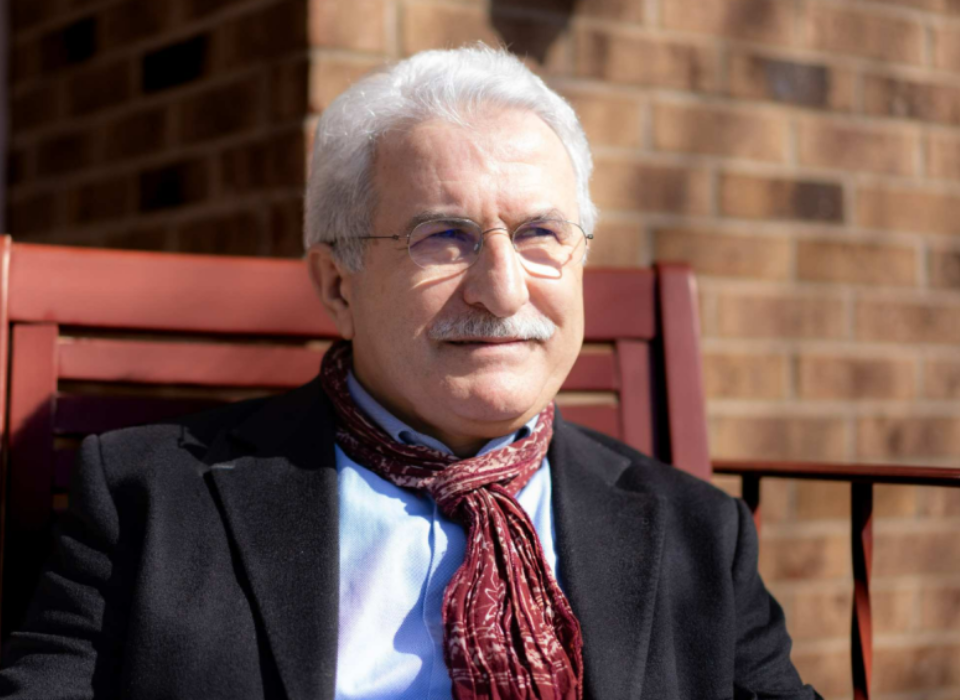
Üsküdar Üniversitesi has translated into Turkish a United Nations document addressing the relationship between environment, religion and culture ahead of COP31. The study, made available to the public by the Environmental Ethics Forum, draws attention to the importance of religious and cultural values in combating climate change, biodiversity loss and environmental pollution.
The Üsküdar Üniversitesi Environmental Ethics Forum has published the complete Turkish translation of the document titled “Environment, Religion and Culture in the Context of the 2030 Agenda for Sustainable Development,” prepared for the United Nations Environment Programme (UNEP) and UNESCO.
The translation, prepared by Prof. Dr. İbrahim Özdemir, Chair of the Üsküdar Üniversitesi Environmental Ethics Forum, demonstrates that the climate crisis must be addressed not only through its scientific, technical and economic dimensions, but also through its moral and cultural aspects.
The role of religion and culture in solving environmental problems is addressed
The document is based on the discussion paper prepared for the Second International Seminar on Environment, Culture and Religion held in Tehran in April 2016, among whose authors was Prof. Dr. İbrahim Özdemir.
Prepared within the scope of the seminar organized in cooperation with the United Nations Environment Programme (UNEP), UNESCO and the Department of Environment of Iran, the text examines the role that faith communities, religious leaders and cultural values can play in solving global environmental problems.
Noting that more than 80 percent of the world's population identifies with a faith community, the document emphasizes the importance of societal behavioral change in combating environmental problems. In this context, it highlights the role of religious and cultural leaders in developing environmental awareness and spreading sustainable living habits.
The document examines five core areas of sustainable development
According to the document's main approach, problems such as climate change, biodiversity loss, desertification and environmental pollution cannot be solved solely through technical and economic tools. The fact that the majority of the world's population has ties to a faith community makes religious and cultural actors important stakeholders in behavioral change.
The text addresses the five core areas of the 2030 Agenda for Sustainable Development: people, planet, prosperity, peace and partnership. Examples are presented in each area regarding the teachings of religious and cultural traditions and the field work of faith-based organizations.
The common values where different faiths converge on environmental ethics are also highlighted in the document. It is emphasized that an approach in which nature is recognized as having intrinsic value, waste and greed are condemned, and moderation and conservation are supported can contribute to combating environmental problems.
The Turkish edition includes all sections of the original document, as well as its boxes, 64 footnotes and photographs. The appendices in the translation also include the Tehran Findings Summary, the COP21 declarations of religions and indigenous peoples, and materials on the urgency of the climate agenda.
Prof. Dr. İbrahim Özdemir: “The climate crisis is a moral crisis”
Prof. Dr. İbrahim Özdemir, Chair of the Üsküdar Üniversitesi Environmental Ethics Forum, made the following remarks regarding the purpose behind the study and its significance for the COP31 process:
“When we wrote this text ten years ago for the seminar in Tehran, we wanted to emphasize that the climate crisis is, at its core, a moral crisis. In the time that has passed, our warnings have become even more urgent. The COP31 negotiations should be conducted not only on the basis of emission targets and financing, but also on the basis of justice, responsibility and the duty of care owed to future generations. Türkiye's rich religious and cultural heritage can make a unique contribution to this discussion. With this translation, we aim to enable academics, students, religious officials, civil society and policymakers to take part in this discussion in their own language.”
Advertisement
Ad Space728 × 90