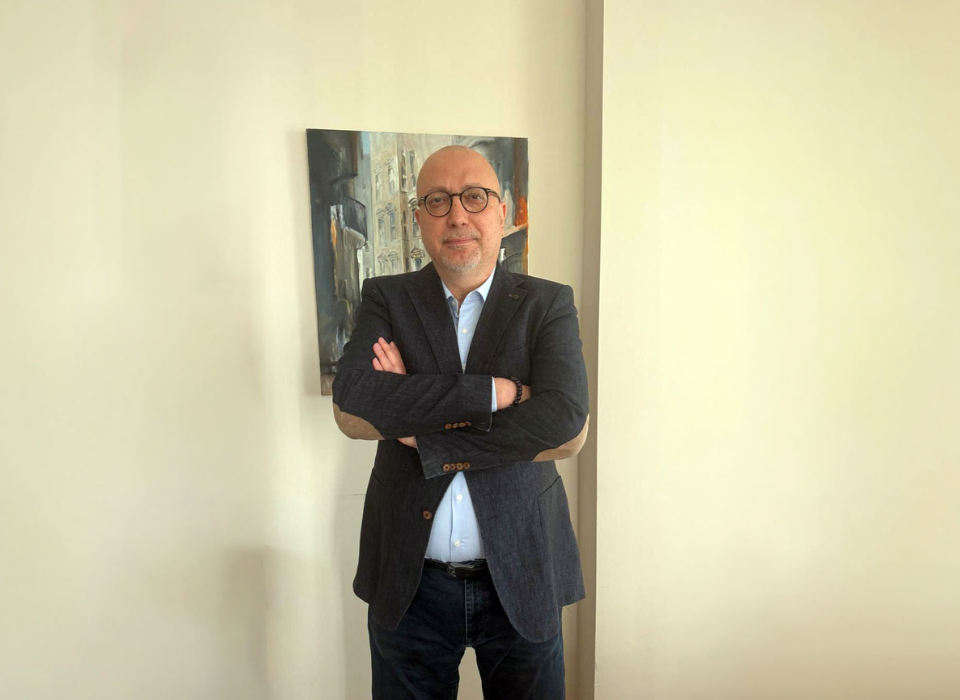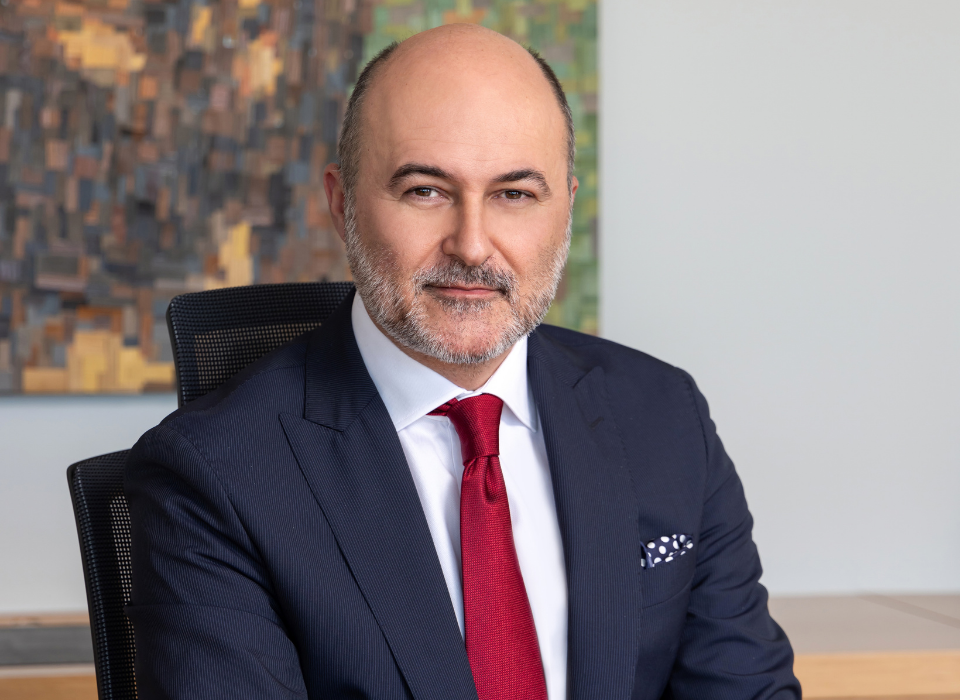
Since 2022, EM Mineraller has gone beyond being a standard product supplier to serve as a leading solution center in the context of industrial raw materials. In our interview, Mehmet Bulut, General Manager of EM Mineraller, shared valuable insights with our readers about the company's founding story and long-term strategic goals, as well as the functional role of industrial minerals in the paints and coatings sector.
Report: Murat Soygür
Since 2022, EM Mineraller has moved beyond being a standard product supplier to serve as a solution centre in the industrial raw materials sector. In this report, EM Mineraller General Manager Mehmet Bulut shared valuable insights with our readers about the company's founding story and long-term strategic objectives, as well as the functional role of industrial minerals in the paints sector.
Could you briefly tell us about yourself and your professional background?
I was born in Ankara in 1972. After graduating from Ankara Atatürk Anadolu High School, I completed my degree in ITU Business Administration Engineering in 1995, and my master's degree in 1997. Later, while pursuing my doctorate in Boğaziçi University Industrial Engineering, I decided to leave academic career and focus solely on the private sector as there were more attractive opportunities.
I have worked in very different sectors such as pharmaceuticals, rubber and agriculture. In addition to my finance, sales and management experience at international companies, I have been in the industrial raw materials sector for approximately 20 years since 2006. During this period, I had the opportunity to gain experience with different minerals, different countries and regions, and different processes and sectors. I directly managed the team and process that implemented the first liquid calcite and liquid kaolin investments as inputs in the Turkish paint industry. The reason for my success in so many different sectors, at different levels and roles, is likely due to the broad perspective and analytical inquiry that comes with such a diverse education as "Business Administration Engineering".
Could you tell us the founding story of EM Mineraller? How do you position yourself in the Turkish market and in the global market?
There is a fact that I frequently try to emphasize in the technical articles in your journal: industrial raw materials or minerals are not simply "fillers", but silent architects of performance. When I founded EM Mineraller in 2022, my fundamental motivation was to be a "performance partner" in the sector in this sense—that is, rather than acting as a standard product supplier, to be able to perform "formulation engineering" in the context of industrial raw materials and respond to different needs.
For this reason, we did not want to operate as a large distribution structure that I compare to chain supermarkets, one that says "we will sell anything" and carries a wide range of products. With the understanding that "small is beautiful" and believing in focus, we work solely as sales agents for international industrial raw material suppliers to Turkey. Let no one misunderstand, but "inventory management" is not a high-value-added process for us. Today, most distributors, instead of focusing on the question "what can we do differently with our customers", have unfortunately become structures that merely manage inventory. To give an example from the pharmaceutical sector, they are like large pharmacy warehouses.
Based on this, when selecting our suppliers, we look at whether they have strong R&D and laboratory facilities and have the potential to bring new and different perspectives to our customers. Just as with the liquid calcite project, here too we want to demonstrate how the formulation of different industrial raw materials such as kaolin, talc, perlite and calcite can change the process and final product quality. In short, we want to be "performance partners" to our customers.
What are the cornerstones of your company's long-term growth strategy?
We do not view growth solely as an increase in turnover or tonnage. For us, real growth is measured by "knowledge depth" and "application diversity". The foundation of our strategy is to add "niche" characteristic or known but underutilized mineral solutions to our portfolio that will increase the global competitiveness of Turkish manufacturers.
Instead of large-tonnage sales at very low margins and profitable logistics management, we will maintain our "sales agency and technical consulting" model aimed at retaining our core business and adding value to our customer. In the future, we aim for EM Mineraller to be recognized not just as a raw material supplier, but as a "solution centre" whose door is knocked on during the R&D stage. In other words, we will specialize vertically and expand the sectors we serve horizontally with quality minerals.
How do you explain the impact of filler minerals such as kaolin and talc on paint performance?
Actually, the answer to this question lies at the heart of our "performance partnership" motto. These minerals are not simply volume extenders, but functional components that establish the mechanical and optical balance of the formulation.
To give an example, a properly selected kaolin does not only provide whiteness; thanks to its lamellar (platelet) structure, it optimises the paint's opacity. This allows the manufacturer to reduce the use of Titanium Dioxide (TiO2), one of the most costly items, without compromising performance. But there is another detail here that most paint formulators do not know, and do not need to know, but is important.
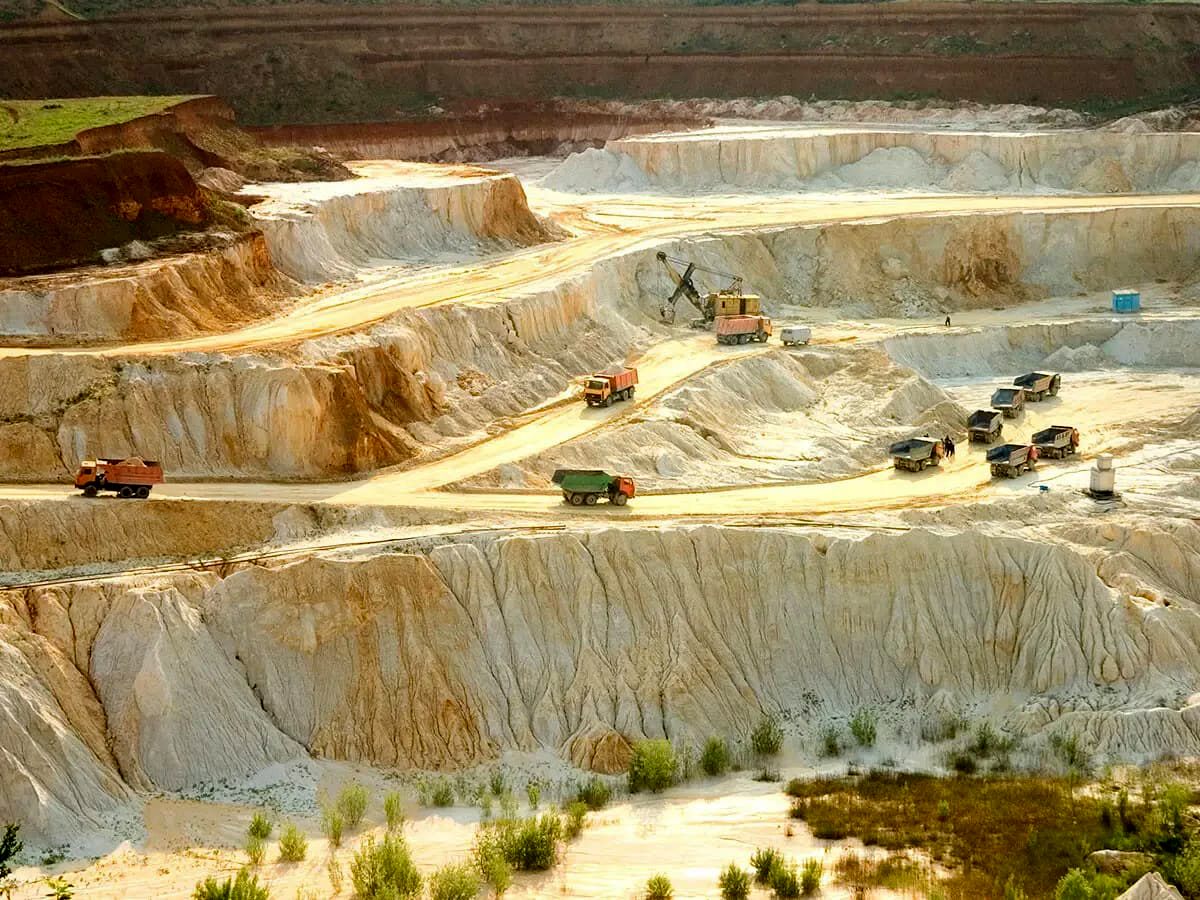
For instance, the calcined kaolins from Brazil's Amazon Capim basin that we supply through Artemyn have much lower abrasiveness compared to standard Chinese-origin products on the market. This is because the Amazon forests have a different geological formation and associated mineralogical structures, and they are purer. It is the sole choice in the paper sector but is not well known in paints. However, Capim kaolin, with its lamellar structure, will abrade your machinery less compared to Chinese kaolin, for example. This perspective will take you beyond the boundaries of classical R&D, moving you from "formulation cost focus" to "total production cost" focus.
In fact, as we saw from the result of the liquid calcite project, minerals will give you the potential to respond faster to market demand, and that will take you to higher levels of strategic proactivity in your marketing processes. Or, with reduced dust, you will have a healthier and safer production. In short, the subject is far beyond classical filler material. But unfortunately, sometimes the issue is not viewed holistically, and decisions are made solely on formulation cost.
Talc, on the other hand, gives the paint film flexibility and mechanical resistance. Especially in exterior facade paints, while preventing cracking, its platelet structure creates a "barrier effect" that prevents water and other corrosive materials from reaching the substrate. When we present these minerals to our customers, we approach them not with "how much" but with "what mineralogical structure, what particle size and form". We believe this approach is very important in maintaining the current quality perception of the Turkish paint industry.
What does sustainability mean to you in terms of mineral production and use?
To speak frankly, for today sustainability is, in our opinion, a rhetoric that has been talked about until it is emptied of meaning. Whereas real sustainability is a concrete efficiency criterion at every stage of formulation. At this point, the advantages offered by functional minerals such as kaolin used as TiO2 extenders compared to TiO2 are very critical. For example, TiO2 production is a process that requires quite high energy consumption due to sulfate or chloride processes and causes intensive carbon emissions. In contrast, the production and processing processes of natural minerals such as talc and kaolin have a much lower carbon footprint per unit weight. Optimising the amount of TiO2 in the recipe with these minerals directly pulls down the total carbon load of the final paint.
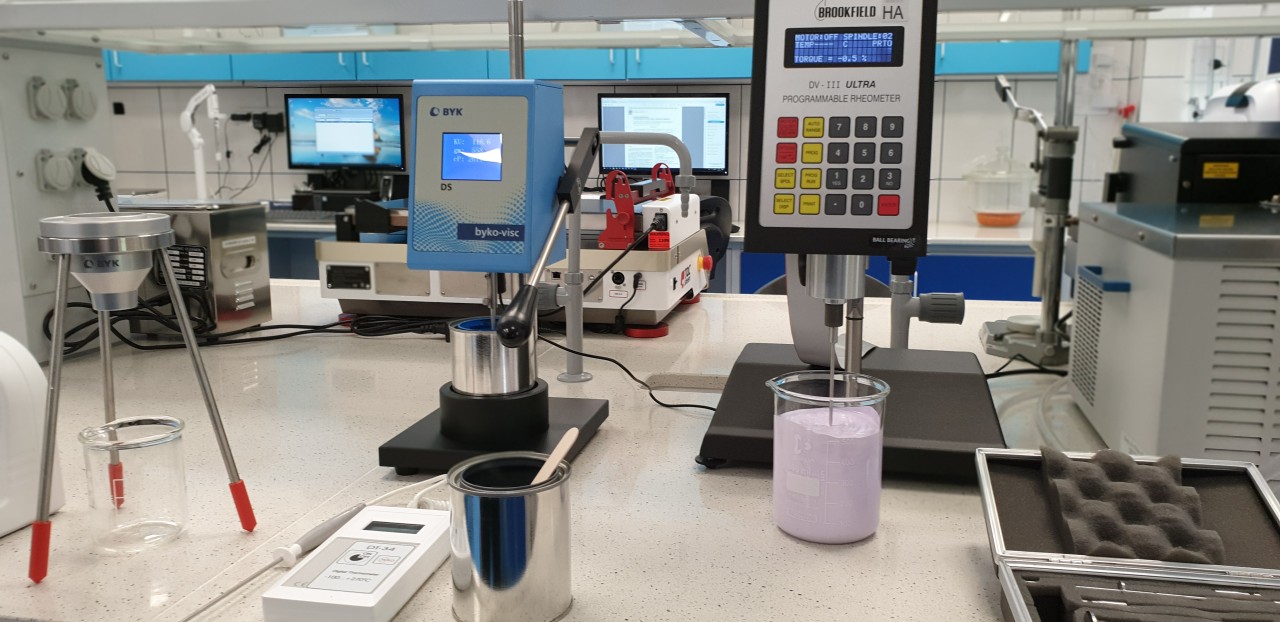
Besides carbon footprint, another dimension is the VOC (Volatile Organic Compound) advantage. Especially in water-based systems, the use of high-performance minerals helps balance the solid content of the formulation while aiding viscosity control. In some cases, this means using fewer solvents or additives, which directly contributes to reducing VOC emissions.
Additionally, the use of quality industrial minerals improves the paint's opacity and spreadability. This enables the end user to achieve the same result with fewer coats. Lower product consumption means energy savings throughout the entire chain from production to application.
Gallery