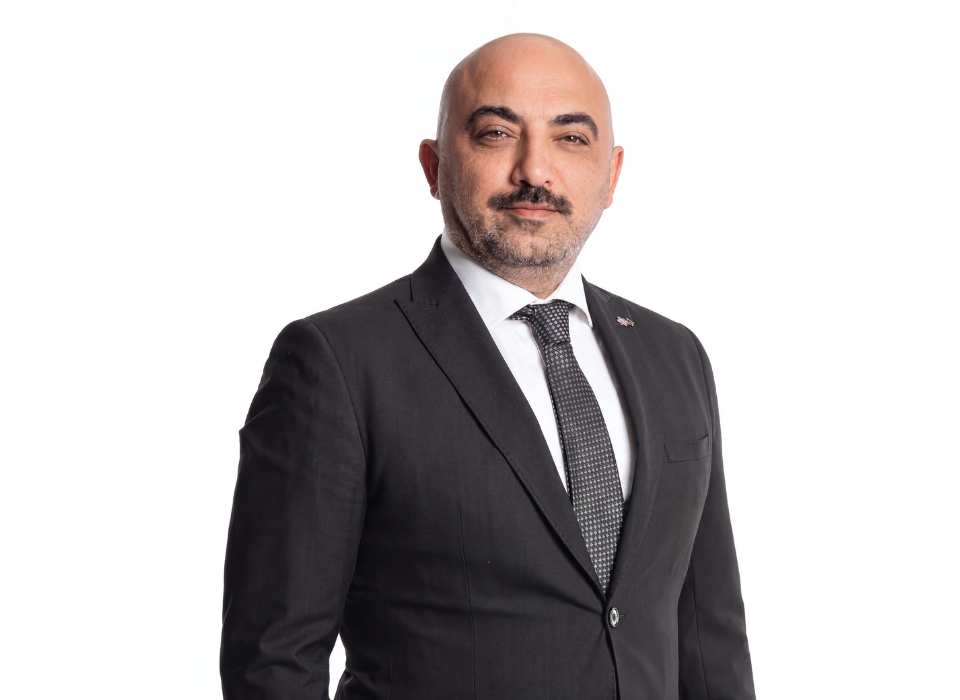
ISOPA is a Brussels-based European association representing companies that produce diisocyanates and polyols, the main building blocks of polyurethane. In our interview, Jelle Verheij, Senior Public Affairs and Communications Officer at ISOPA, shared valuable insights with our readers on the association's history since its founding, as well as ISOPA's vision and strategic goals.
Report: Murat Soygür
ISOPA is a Brussels-based European association representing companies that produce diisocyanates and polyols, the main building blocks of polyurethane. In our interview, Jelle Verheij, Senior Public Affairs and Communications Manager at ISOPA, shared valuable information with our readers about the organization's journey since its establishment, as well as ISOPA's vision and strategic objectives.
Could you briefly tell us about yourself and your professional background in the sector?
I work as Senior Public Affairs and Communications Manager at ISOPA, a European association representing diisocyanate and polyol producers, which are the fundamental building blocks of polyurethane. Drawing on my background in EU political science, I have specialized in chemicals legislation, sustainability and product stewardship, and I work to advance safe and sustainable applications in the polyurethane industry.
Could you summarize the development that has taken place since ISOPA's establishment?
ISOPA was founded in 1987 in Brussels to represent European manufacturers of diisocyanates and polyols, the main building blocks of polyurethanes. Since then, our association has become an established and respected voice on product stewardship, safety and sustainability.
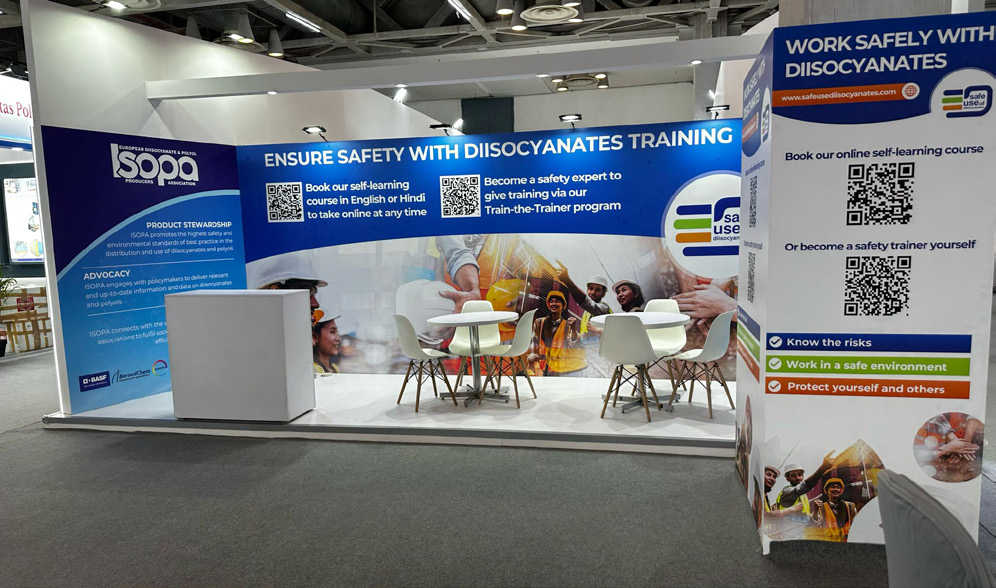
Decades of work have enabled ISOPA to reach its current position. Within the association, through our interaction with EU policymakers, our communications activities and our product stewardship initiatives conducted within and beyond the European Union, we have worked tirelessly for years to promote safe and sustainable applications. ISOPA continues its journey with important projects and initiatives such as logistics, life cycle assessments and, of course, our safety training programme for diisocyanates "Safe Use of Diisocyanates".
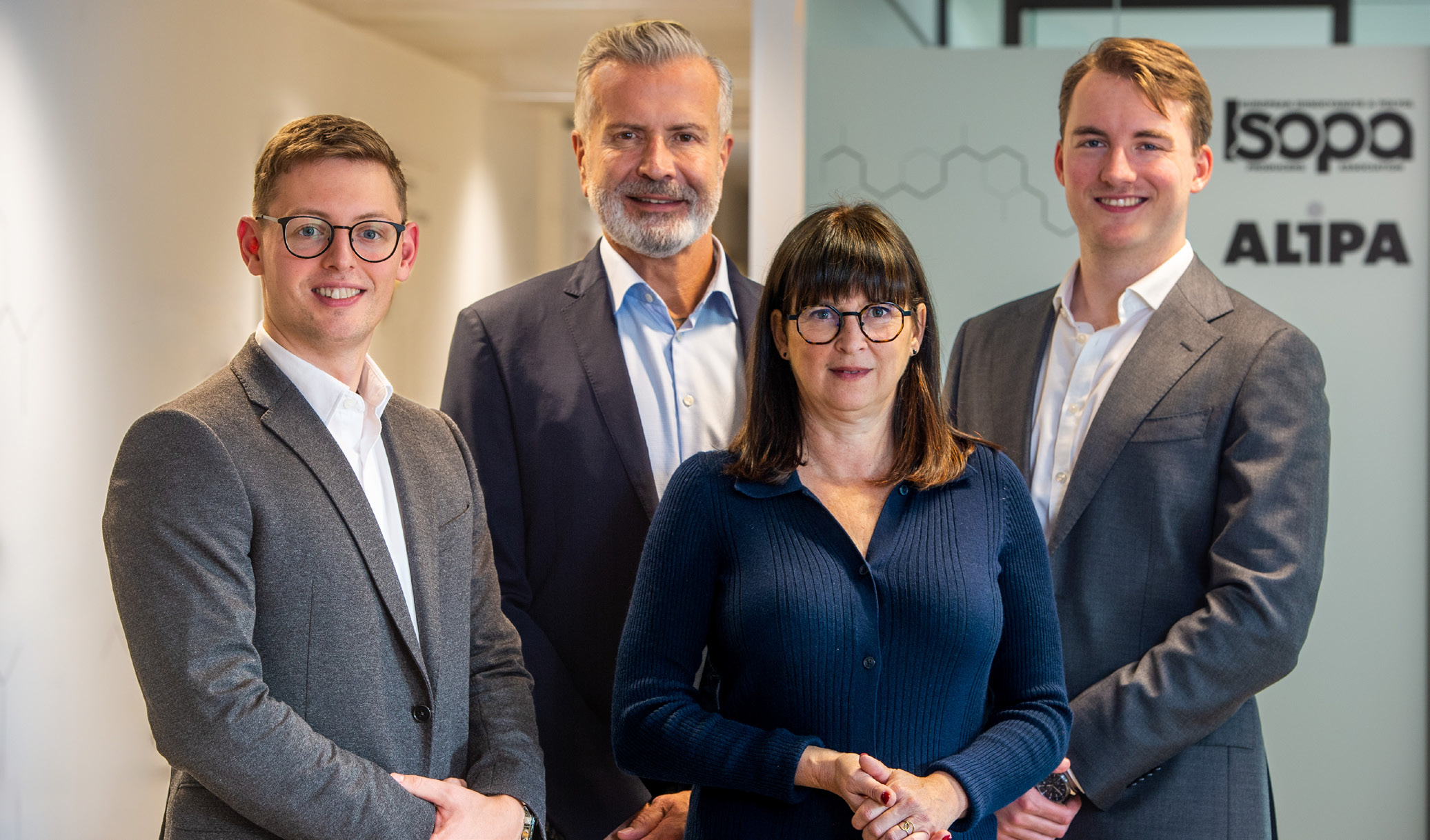
What internal and external partnerships play a determining role in implementing ISOPA's strategic objectives?
ISOPA's strength comes from partnerships. This primarily depends on the active participation of member companies, who provide invaluable expertise and guidance for the association's operations. ISOPA also works closely with our sister organization ALIPA, which represents aliphatic isocyanate producers.
Polyurethane is an extremely versatile material and is used in many different sectors. Therefore, strong collaboration throughout the value chain is of vital importance for the industry. This collaboration has found concrete expression in our Safe Use of Diisocyanates training programme, which was prepared with important contributions from experts across the entire value chain.
Moreover, polyurethane is widely used globally, and markets such as Turkey are rapidly becoming important players. For this reason, ISOPA works together with polyurethane industry representatives worldwide to promote safety, sustainability and innovation at the global level.
In areas outside the sector, strong and constructive engagement with European policymakers and regulators is critical to ensure that new EU legislation is science-based, implementable and innovation-promoting.
All these partnerships together enable ISOPA to advance its goals of safety, sustainability and responsible growth in different areas.
What is your long-term vision as ISOPA to make the polyurethane sector more sustainable and safe?
ISOPA's vision is to position the polyurethane industry in a leading position in terms of both safety and sustainability.
Building on our decades of experience in product stewardship, we will continue to promote the highest safety standards for our industry with the aim of ensuring that polyurethane is used sustainably by everyone involved in its life cycle. ISOPA contributes to shaping the European policy framework, and we believe we must continue to be a trusted partner for regulatory authorities, providing scientific expertise and industry experience to support effective decision-making processes.
At the same time, circularity and resource efficiency are vital to our industry. The versatility and energy efficiency characteristics of polyurethane make it an important material for the green transition. As ISOPA, we will continue to highlight and promote the many sustainability benefits that polyurethane provides. We also provide transparent and reliable data through our environmental profiles that can guide innovation and help reduce the environmental impact of the sector.
In conclusion, our long-term vision is for ISOPA to help polyurethane be recognized as a material that contributes to a safer, more circular and climate-resilient economy.
What are the main trends shaping the future of the polyurethane industry?
Although we face significant challenges on a global scale, polyurethane continues to evolve and adapt to overcome them. Growing populations increase demand for furniture, white goods and housing. Rapid urbanization increases the need for resource and energy efficiency and makes action on climate change necessary. At the same time, aging populations require more comfort, medical support and safety solutions. In our globalizing world, transportation needs are becoming more critical than ever, and efficient, sustainable vehicles are becoming inevitable.
All these trends require a sustainable strategy. Sustainability is a fundamental element in developing solutions for the future of our planet, and polyurethane has the potential to play an important role in this. As a lightweight, durable and highly efficient insulation material, its versatility makes it one of the leading elements of sustainable transformation. This material has been redesigned and developed countless times to adapt to changing demands; I am confident that our sector will continue to do so in the future.
However, realizing this potential requires action not only by the sector, but also by policymakers, researchers and academia. Efforts must go beyond short-term financial performance. In this respect, a critical element is a stable and long-term regulatory framework that makes sustainability both implementable and investable. This predictability enables businesses to make the right decisions. Equally, customer demand is vital, and regulations play a key role in shaping these behaviors. Without these two elements, progress becomes much more difficult.
I believe that polyurethane will continue to serve, as it has for decades, as a platform for innovative and forward-thinking solutions that improve our lives in countless ways.
Gallery