Dr. Manish Shetty is working to break down microplastics to produce usable fuel.
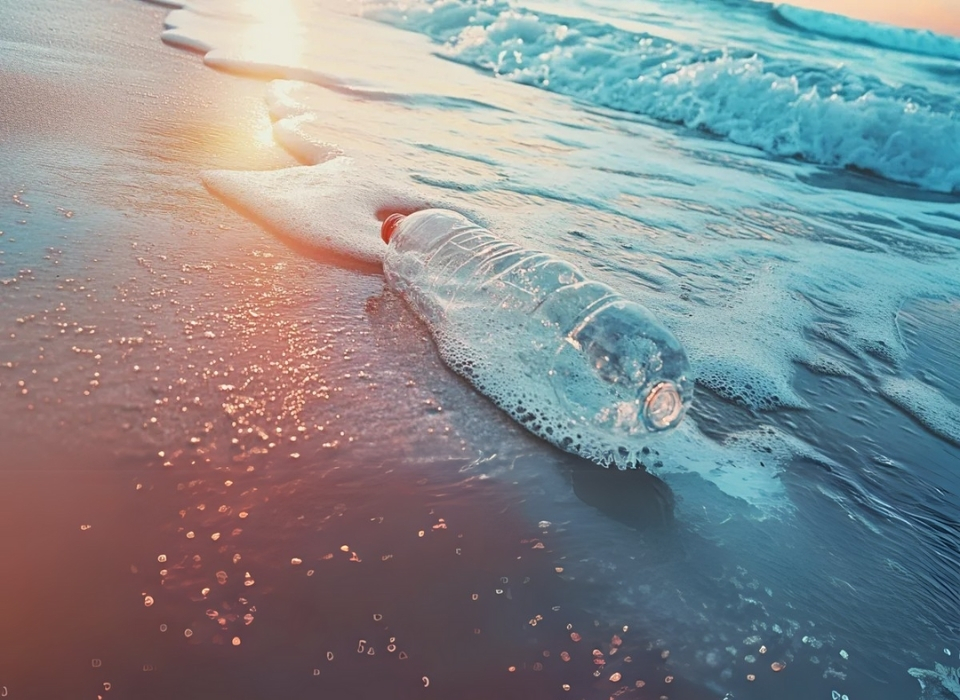
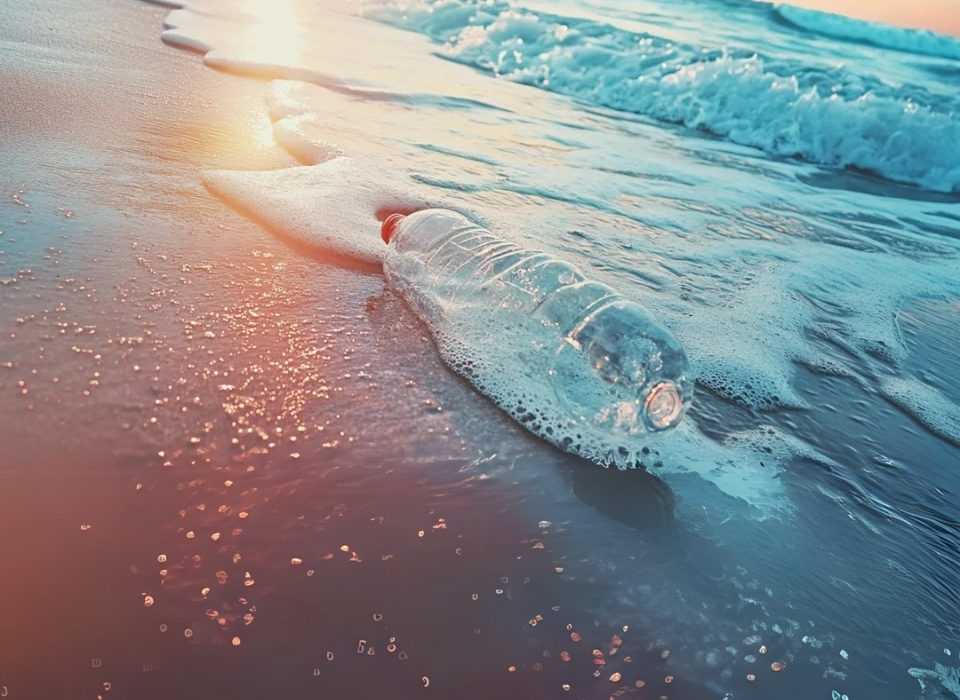
Microplastics smaller than 5 millimetres are dispersed globally; they contribute to global warming, disrupt food chains and harm ecosystems with toxic chemicals. This is why Dr. Manish Shetty is working on fragmenting plastics before they enter the environment.
Producing sustainable chemicals and developing better waste management will contribute to sustainability. This research is part of work on catalysts to make green hydrogen viable in waste management.
In Shetty's research, using minimal solvents that also serve as a hydrogen source, the goal is to break down polyethylene terephthalate (PET) bottles, packaging, textile products and certain classes of plastics such as condensation polymers used in 3D printing.
"What we are doing in this research is converting condensation polymers into aromatic compounds that can be used as fuel," says Shetty.
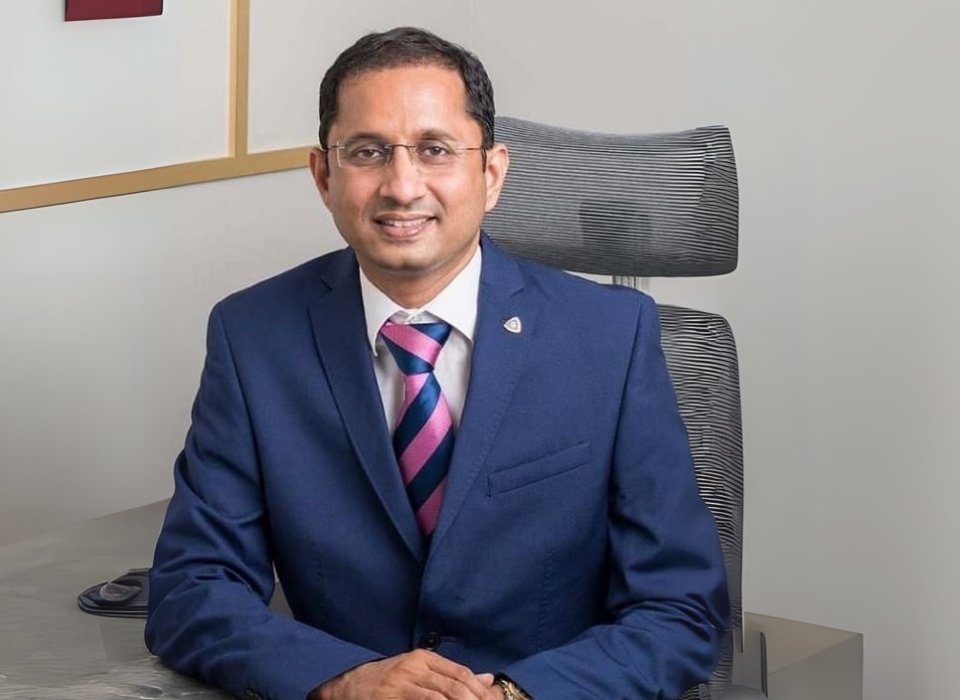
"Liquid organic hydrogen carriers used for hydrogen storage provide the hydrogen needed to break down polymers."
Shetty and his team have succeeded in designing catalysts that can use the hydrogen stored after these condensation polymers are broken down.
The research shows that catalyst surfaces convert PET into p-xylene—usable as fuel or chemical—using hydrogen released from these organic carriers. Shetty notes that his research not only provides a waste management solution but is also important for the sustainability of the chemical industry.
"With these catalysts we have developed a solution for sustainability and waste management," says Shetty. "These organic molecules transport hydrogen from where it is produced to where it will be used for waste management, which is particularly important when we collect large amounts of waste in urban environments."
As a research method, methanol and an H2 source are used to break PET into smaller fragments and create p-xylene from PET carrying fuel or chemical potential.
Shetty believes that implementing this research could free our economy from dependence on fossil fuels.
"One option, particularly with green hydrogen obtained through water electrolysis becoming more accessible, is using hydrogen carriers as a transport medium," says Shetty. "One of these transport methods could also be waste management and recovery."
Source: https://www.chemeurope.com/en/news/1184887/fighting-microplastics-for-a-cleaner-future.html
Gallery