A new method has been developed for low-cost and energy-efficient production of transition metal nitrides. These innovative materials have the potential to break new ground in electronics and communications technology, improving data transmission in mobile networks.
The research project, which received EUR 2.8 million in funding from the European Regional Development Fund (ERDF), aims to use a technique called sputter epitaxy for the first time to produce these chemical compounds tailored to specific applications and optimize the properties of transition metal nitrides. This method opens the way for innovative materials that could enable entirely new technological application areas.
Project leaders Professor Martin Feneberg and Professor Armin Dadgar emphasize that transition metal nitrides have critical significance for materials science. Professor Feneberg states, "Transition metal nitride compounds derived from elements such as titanium or vanadium exhibit extraordinary physical properties. These materials are particularly durable, heat-resistant and chemically stable – properties that make them extremely attractive for many industrial applications."
Professor Dadgar points out that these materials offer new technological possibilities especially in electronics. "Transition metal nitrides can be used as coatings for high-performance transistors or as conductive materials providing fast and efficient data transmission. Particularly to meet increasing requirements for 5G data transmission speeds, radio cells need to be smaller and more powerful. These materials can play a central role here," he explains.
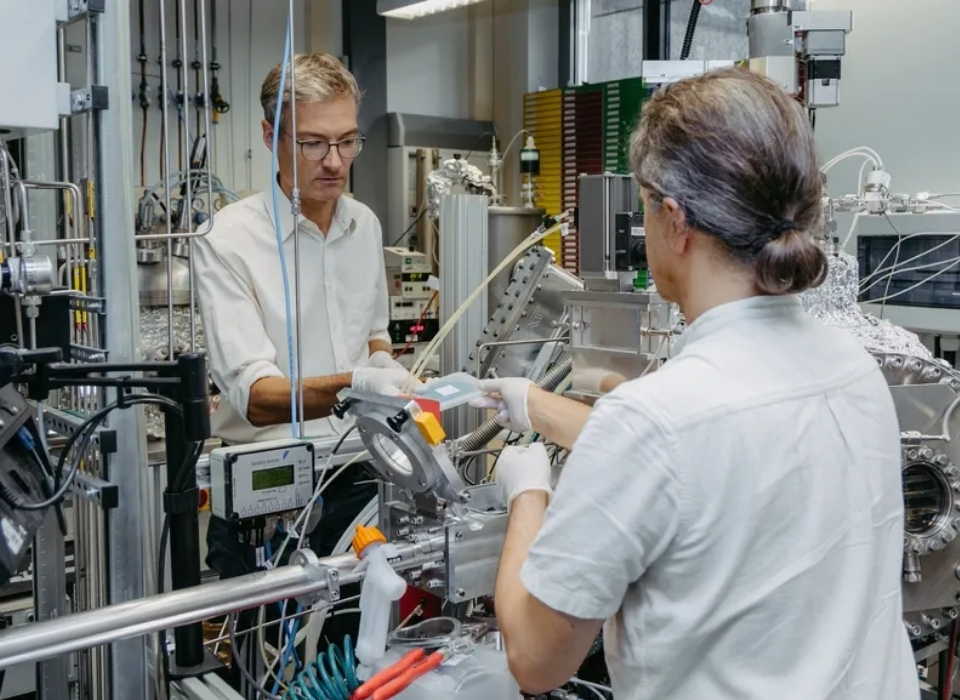
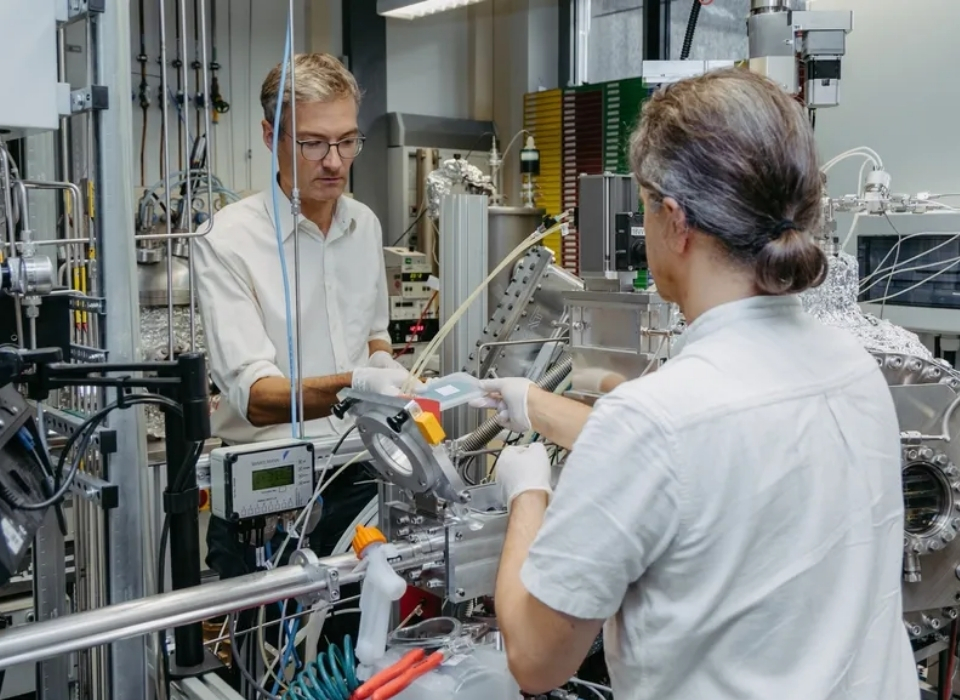
The sputter epitaxy method enables the production of thin layers of transition metal nitrides at lower temperatures and lower cost. Professor Dadgar states, "In this process, argon gas is typically placed in a chamber under an electric current and creates plasma. Energy-rich particles in the plasma strike a target material, freeing atoms. These atoms accumulate to form an orderly crystal structure on a surface. For electronic applications, these orderly layers are particularly beneficial."
Magdeburg researchers are focusing on titanium and yttrium compounds that are drawing considerable interest for use in high-performance transistors and energy-efficient devices. Professor Feneberg says, "With this innovative method, we are taking a pioneering role in materials research at Magdeburg University. With EU support, we hope to develop this method further."
An important part of the project is the training of young scientists. Master's and doctoral theses conducted within the project scope are intended to reinforce the findings and bring them into practical application. Professor Feneberg emphasizes his confidence in the project, saying, "In the long term, we hope not only to advance research in Magdeburg but also to strengthen innovative capacity and technological expertise in the region."
Source: https://www.chemeurope.com/en/news/1184932/new-method-for-new-materials.html
Gallery