Turkey Triples Fresh Fruit and Vegetable Exports in 22 Years
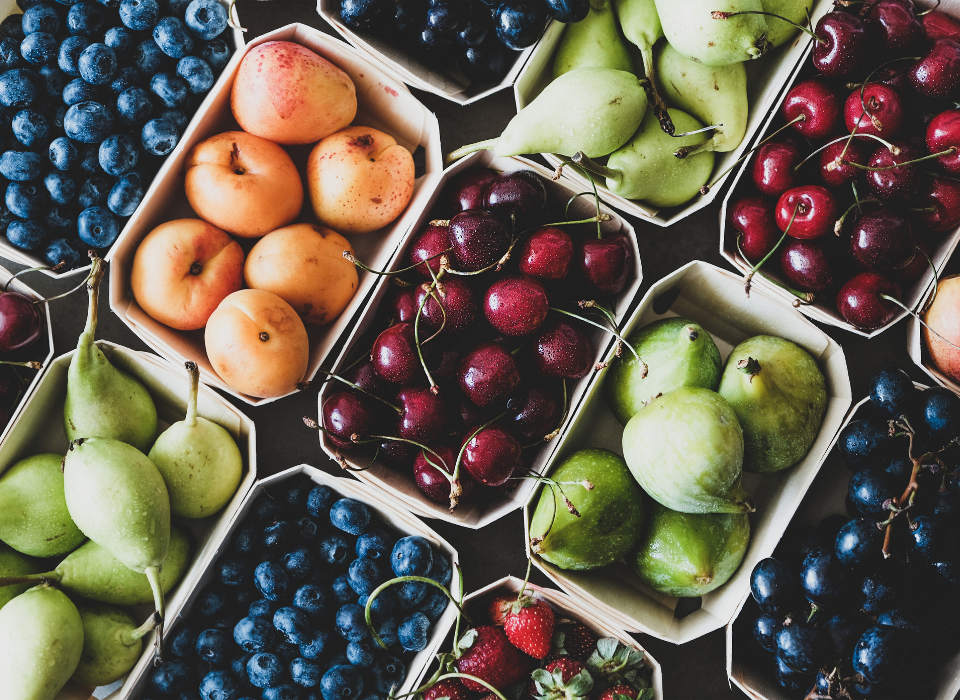
The Turkish fresh fruit and vegetable sector has delivered a remarkable growth performance over the past 22 years, successfully translating its production capacity into exports. According to an assessment by the Aegean Fresh Fruit and Vegetable Exporters' Association (EYMSİB) based on TÜİK (Turkish Statistical Institute) data, the sector's exports rose from 1,337,000 tons in 2002 to 3,669,000 tons by the end of 2024, marking a 175% increase.
Turkey's fresh fruit and vegetable sector has demonstrated impressive growth over the past 22 years by successfully translating its production capacity into exports. According to an assessment by the Aegean Fresh Fruit and Vegetable Exporters Association (EYMSİB) based on Turkish Statistical Institute data, sector exports stood at 1 million 337 thousand tonnes in 2002, reaching 3 million 669 thousand tonnes by the end of 2024, a 175 percent increase.
Production of 20 primary products—including potatoes, dried onions, tomatoes, cucumbers, peppers, watermelons, apples, peaches-nectarines, apricots, cherries, oranges, mandarins, lemons, figs, kiwis, bananas, grapes, strawberries and pomegranates—rose from 34.3 million tonnes in 2002 to 51.6 million tonnes in 2024, a 50 percent increase. However, production declined 14 percent to 44.3 million tonnes in 2025 due to climate-related challenges.
Conversion from production to exports strengthened
The share of exports in total production in the fresh fruit and vegetable sector also increased significantly. While only 3.8 percent of production was exported in 2002, this ratio rose to 7.1 percent in 2024.
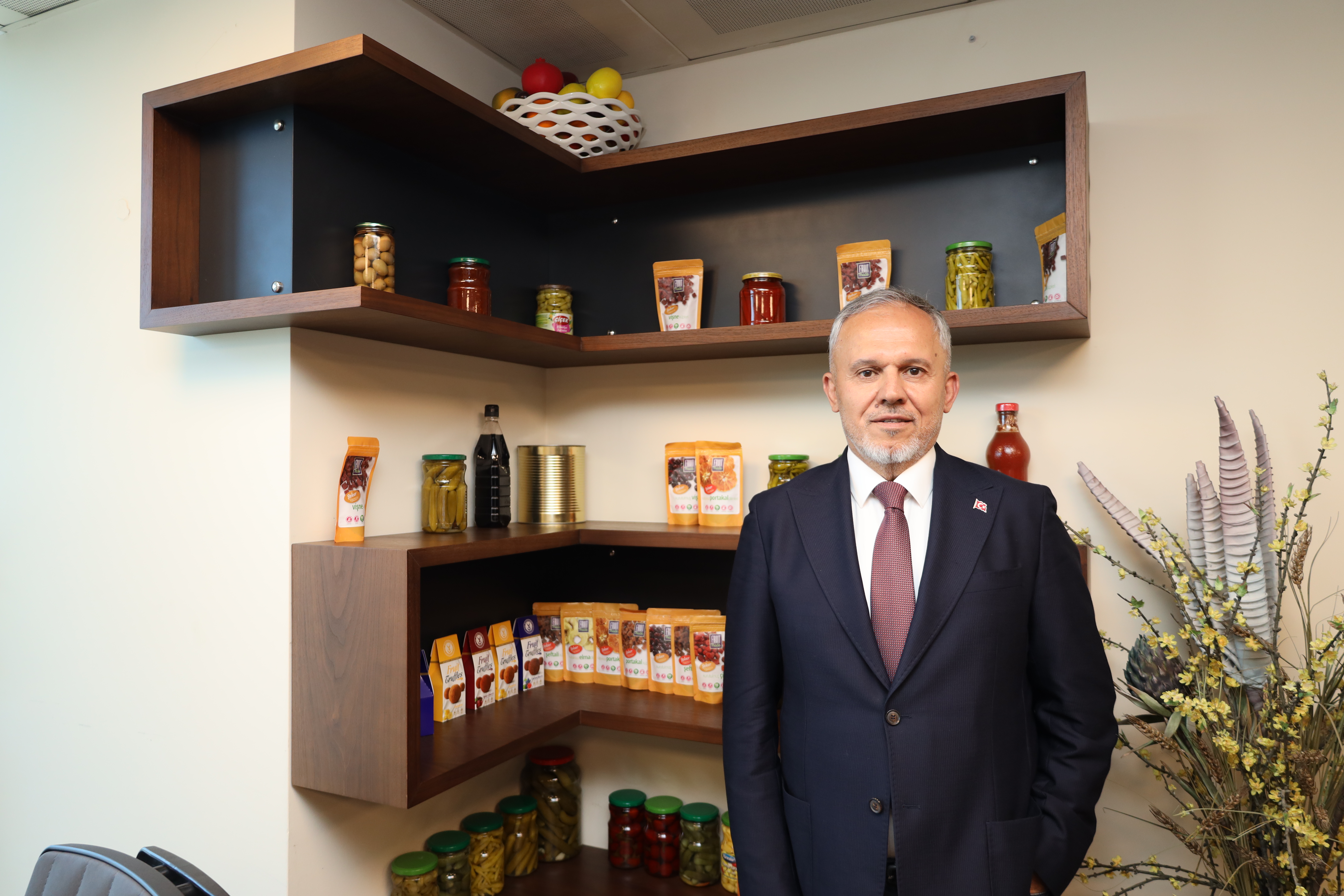
EYMSİB Board Chairman Cengiz Balık noted that the sector has demonstrated export performance growing faster than production, stating that Turkey has successfully conveyed its strength in fresh fruit and vegetable production to international markets more effectively.
Balık said, "During the 2002-2024 period, while our production increased approximately 50 percent, our exports grew over 175 percent. This demonstrates that the Turkish fresh fruit and vegetable sector has gained strong competitive power in global markets."
Mandarins become export driver
Mandarins emerged as one of the standout products in the sector's export performance. Mandarin exports rose from 247 thousand tonnes in 2002 to 702 thousand tonnes in 2024, approaching 1 million tonnes in 2025. Turkey exported approximately 45 percent of its mandarin production, generating USD 913 million in foreign exchange.
Notable growth in apple exports
Apple production rose from 2.2 million tonnes in 2002 to 4.4 million tonnes in 2024, a 101 percent increase. Over the same period, apple exports increased from 14 thousand tonnes to 315 thousand tonnes, recording growth exceeding 2,100 percent by volume. Apple exports generated USD 190 million in revenue.
The sector also saw products such as figs, kiwis, strawberries and bananas reach significant volumes from near-zero export levels. As of 2024, exports totalled 23 thousand tonnes for figs, 20 thousand 854 tonnes for strawberries, 7 thousand 230 tonnes for kiwis and 4 thousand 679 tonnes for bananas.
Value-added exports gaining prominence
Over the past 22 years, significant increases occurred not only in export volumes but also in unit export prices. Average export value per kilogram rose from USD 0.58 in 2002 to USD 1.28 by the end of 2024.
Balık noted that this development demonstrates Turkish products' compliance with international standards in quality, food safety and sustainability, emphasizing that the sector has transformed from simply selling greater volumes to exporting products at higher value-added levels.
Climate change affecting production
Pointing to the effects of climate change on agricultural production, Balík noted that frost, drought, extreme temperatures and irregular rainfall directly impact production cycles. He stated that water efficiency, modern irrigation systems, agricultural technology investments and climate-resilient production models are becoming increasingly important for the sector's sustainable growth.
Production and export highlights
Kiwi production increased approximately 36-fold over the past 23 years.
Pomegranate production grew approximately 11-fold.
Banana production showed increases exceeding 9-fold.
Apricot production rose approximately 4-fold.
Mandarin production increased 237 percent.
Apple production doubled.
In exports;
Strawberry exports increased over 400-fold.
Kiwi exports grew approximately 401-fold.
Apple exports increased 22-fold.
Pomegranate exports increased 19-fold.
Apricot exports grew approximately 14-fold.
Peach-nectarine exports increased approximately 8.5-fold.
Sector representatives aim to further strengthen Turkey's position in the global fresh fruit and vegetable market through its strong production infrastructure, product diversity and logistics advantages. New market openings and value-added export strategies are expected to play a determining role in the sector's growth in the coming period.
Gallery