Youth Employment Initiative Aims to Bring 3 Million Young People into Employment in 3 Years
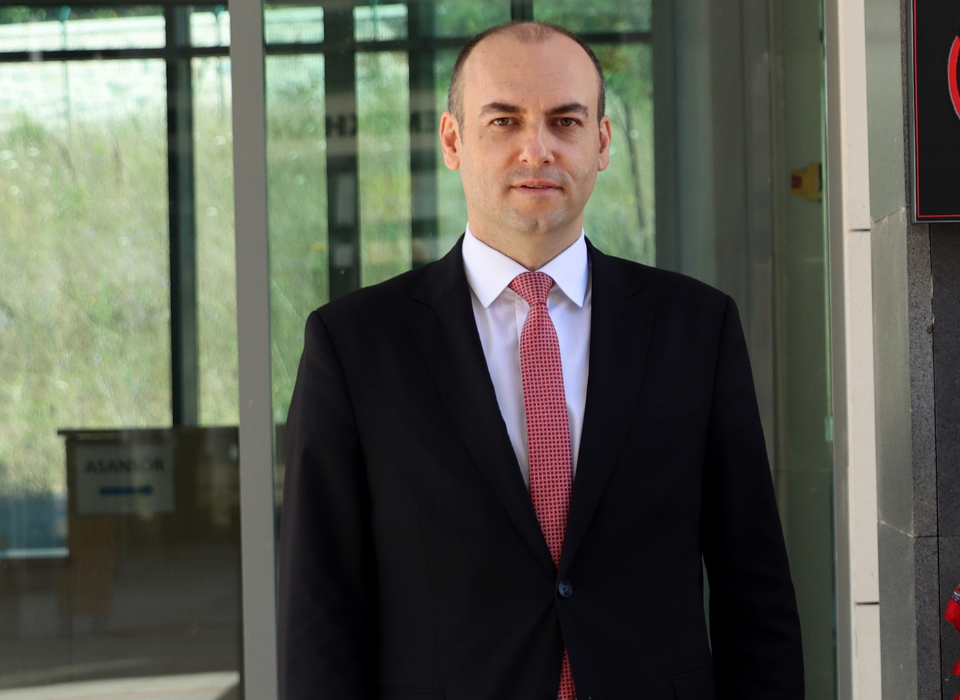
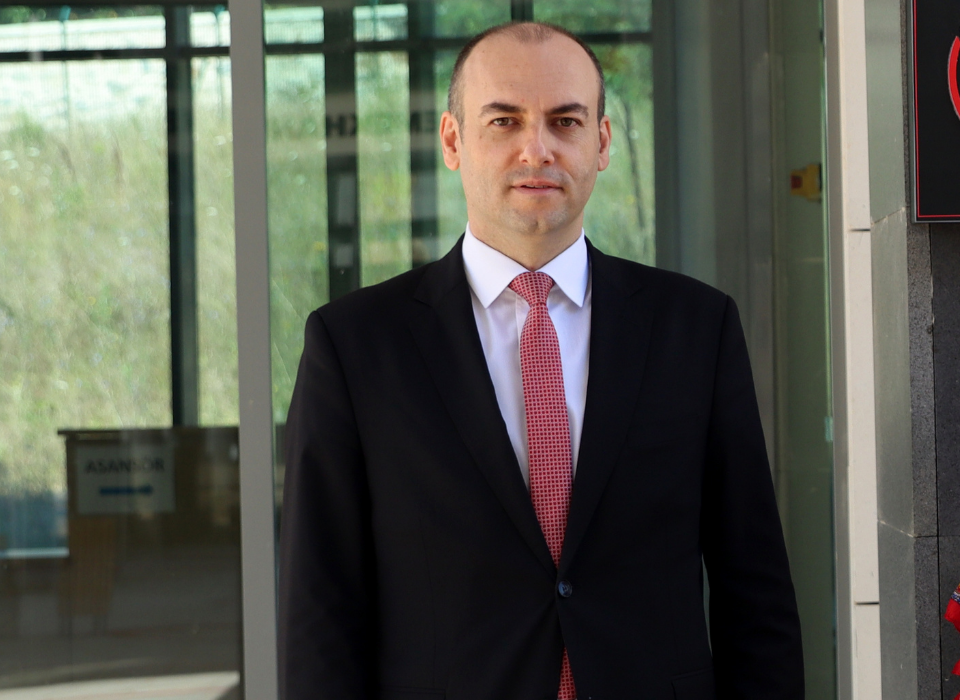
Statements made during the Youth Employment Initiative – Youth Production Era (GÜÇ) Launch Program, held at the Beştepe Millet Congress and Culture Center, are regarded as one of the most comprehensive roadmaps put forward to date for youth employment. Şenol Vatansever, President of the Global Bilişim Derneği (BİDER), shared his assessment of the program's objectives and content.
Statements made during the Youth Employment Initiative – Youth Production Loop (YPL) Introduction Program held at Beştepe Millet Kongre ve Kültür Merkezi are being evaluated as one of the most comprehensive roadmaps presented to date for youth employment. Global Bilişim Derneği (BİDER) Chairman Şenol Vatansever offered assessments regarding the program's objectives and content.
Vatansever noted that the framework announced by President Recep Tayyip Erdoğan reflects a holistic approach that does not limit youth employment to numerical targets alone, but addresses it alongside education, skills development and production processes. He emphasized that the program's main objective is to shorten the adaptation period of young people to the labour market following graduation and to make this process more predictable.
Vatansever stated that the program aims to bring more than 3 million young people into employment over the next three years, and that TRY 445 billion in funding has been allocated for this purpose. He pointed out that this amount ranks among the broadest-scale steps taken to date for youth employment.
Internship and consultancy support takes centre stage
Vatansever noted that internship support, vocational guidance and one-to-one consultancy practices are being addressed together, stating that the internship budget of TRY 27 billion, which will bring an additional 800,000 young people into internship programmes, is an important measure to strengthen the link between education and the labour market.
Barriers between employers and youth are being reduced
Vatansever said that the First Step Program and the Labour Market Adaptation Program, when considered together, offer solutions to the cost and experience-related obstacles young people face in the hiring process, noting that public sector coverage of wages and insurance contributions for a certain period upon initial employment is aimed at making the process more predictable for employers.
Within the scope of the Labour Market Adaptation Program, he conveyed that daily support of TRY 1,375 is being provided, insurance coverage is being offered, and it is envisaged that 450,000 young people will gain training and applied experience over three years.
Registered work opportunities for university students
Vatansever also addressed adjustments to the İŞKUR Youth Program, noting that the need for university students to work during their studies has been placed on a more regular and registered basis. He stated that alongside an increase in daily support amounts, it is planned to raise the monthly income of students working three days a week to TRY 19,000.
Emphasis on technology and innovation-driven employment
Vatansever stressed that the program supports not only paid employment but also indirectly supports technology-based and innovative production sectors, saying that the convergence of digital and technical skills acquired by young people during their education with entrepreneurship-based business models could increase the quality of employment.
Noting that the success of implementation should be measured not only by the size of allocated resources but by the quality of implementation, Vatansever stated that the effectiveness of consultancy mechanisms, the quality of sector-youth matching and monitoring processes will be decisive. He also added that monitoring and evaluation mechanisms to which civil society organisations can contribute will play an important role in strengthening field-level practices.
Gallery