Boost Your Immune System
As temperatures drop, doctors' offices see the most frequent visits due to upper and lower respiratory tract infections. During cold winter months, these illnesses significantly reduce our quality of life and keep us away from school or work. Maintaining a strong immune system plays an important role in protecting ourselves from these conditions. Ayşe Sena Binöz, Nutrition and Dietetics Specialist at Acıbadem Kozyatağı Hospital, emphasizes that adequate and balanced eating habits are among the most important factors that strengthen our immune system, stating: "A single type of diet means we are missing many important nutrients. It is very important for our immune system, which acts as a shield against harmful microorganisms, that our eating pattern is balanced and rich in vitamins and minerals. Therefore, it is essential to consume sufficient foods containing antioxidants that protect and defend the immune system—vitamins A, C, E, D, and minerals such as selenium, zinc, and iron."
Pomegranate
Pomegranate is an antioxidant-rich fruit that can be preferred at main or light meals due to its high fiber and low calorie content. In addition to its taste, its high content of flavonoids, vitamin C, vitamin A, and folate is important for a strong immune system. Additionally, its content of punicalagin and punicic acid compounds strengthens pomegranate's antioxidant properties. You can increase the nutritional value of your meals by adding pomegranate to seasonal salads or stirring it into a bowl of yogurt as a snack.
Yogurt and Kefir
Regular consumption of yogurt and kefir, which are probiotic sources, strengthens intestinal flora and the immune system, protecting against colds. To increase the activity of probiotic bacteria, you can add prebiotics such as leeks, artichokes, onions, garlic, and bananas to your diet to achieve a more balanced eating habit. Due to their important benefits, do not neglect consuming 2-3 servings of yogurt/kefir daily.
Spinach
Spinach is among antioxidant foods due to its content of vitamins A and C, and iron.
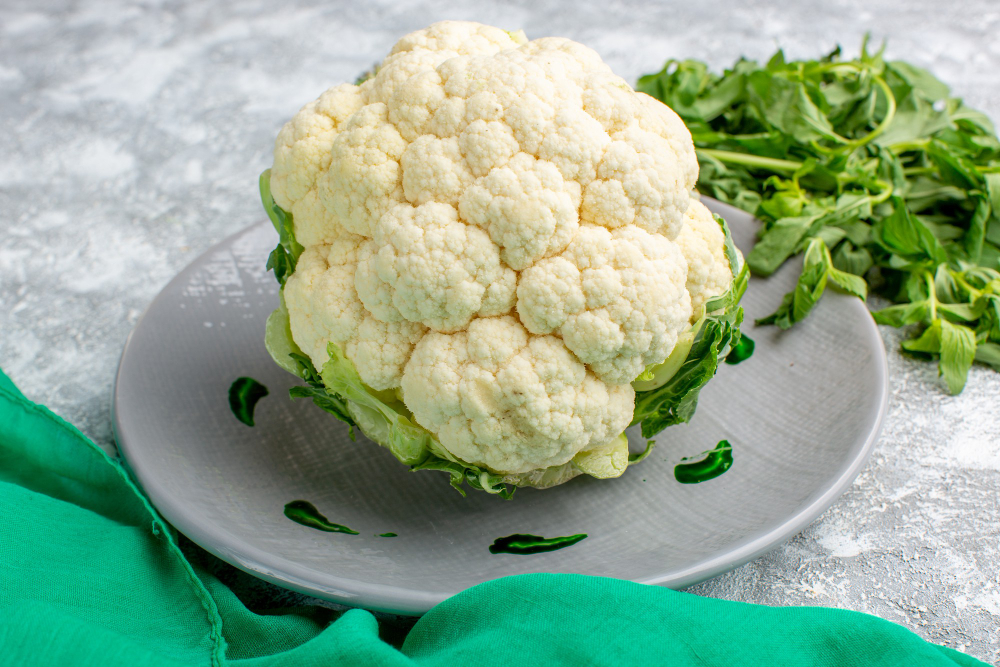
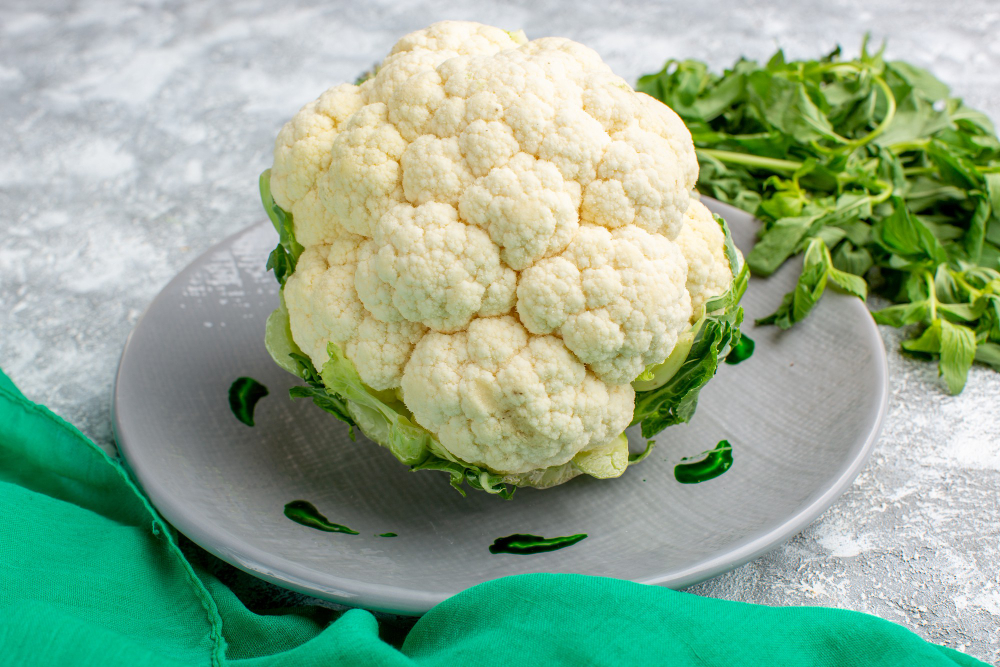
Cauliflower
Cauliflower is among strong antioxidant foods due to its glucosinolate and isothiocyanate content. The carotenoids and flavonoids it contains also provide protection against certain types of cancer and strengthen the immune system. Containing high amounts of vitamin C, another antioxidant, it provides protection against infections. Since it can cause bloating, indigestion, and gas problems, consuming it 2-3 times a week will be sufficient.
Almond, Walnut, Hazelnut
Oily seeds strengthen the immune system and provide protection against colds through their unsaturated fatty acids, vitamin E, and flavonoid content. Additionally, the vitamin E they contain increases vitamin A utilization and strengthens antioxidant activity.
Garlic
Garlic, rich in vitamin C, selenium, potassium, and calcium, contains allicin as its main active compound, which strengthens immune cells. Nutrition and Dietetics Specialist Ayşe Sena Binöz notes that garlic also provides protection against bacterial and viral infections due to its antimicrobial and antiviral effects, providing the following information: "By consuming 2-3 small cloves of garlic daily, you will benefit from its antioxidant effect to both strengthen your immunity and take precautions against colds. Consuming garlic by chewing, crushing, or slicing it will enrich its allicin content and improve absorption quality."
Beet
Beet, rich in vitamins A and C, beta-carotene, folate, and zinc, strengthens the immune system and provides protective effects against colds. Due to its high fiber content, it also has a preventive effect on constipation. Additionally, the 'betalain' present in beet exhibits antioxidant properties, providing protection against harmful substances and thus strengthening immune cells.
Citrus Fruits
Citrus fruits are an important source of vitamin C, which has strong antioxidant effects. At the same time, with the vitamin A they contain, they increase body resistance and protect against colds. For this reason, especially during autumn and winter months, citrus fruits such as oranges, mandarins, lemons, and grapefruits should be an indispensable part of our diet.
Pumpkin
The beta-carotene it contains is a strong antioxidant that neutralizes harmful substances and protects body cells. With its content of vitamins A, C, and E, folate, and iron, it strengthens the immune system and provides protective effects against colds. Due to its high fiber content, it stimulates the intestines, prevents constipation, and provides long-lasting satiety.
Linden Tea
The phytochemicals and flavonoids it contains support the immune system and increase body resistance. Consuming linden tea to meet the increased fluid needs during infection would be a good choice. Since boiling linden in water can reduce its active compounds, steep it in boiled water for 5-8 minutes and consume it freshly steeped each time.
Gallery