Building Safety Is Key to Climate Crisis Adaptation
Rising temperatures, drought and fire risk linked to climate change are threatening a wide range of areas, from residential zones to industrial facilities. Agah Durukal, General Manager of Türk Ytong, drew attention to the critical importance of using fire-resistant materials, saying, "Building safety is an important part of adapting to the climate crisis."
Rising temperatures linked to climate change, drought and fire risk threaten areas ranging from residential settlements to industrial facilities. Türk Ytong General Manager Agah Durukal stated, "Building safety is an important part of adaptation to the climate crisis," drawing attention to the critical importance of using fire-resistant materials.
In Turkey, as climate change persists, the duration of heat waves is lengthening while precipitation decreases and dry periods become more widespread, increasing fire risk. Research shows that the fire season is extending and atmospheric conditions favourable to fires are becoming more common. This situation creates serious risks not only for forests but also for residential buildings, workplaces, factories and industrial zones.
According to the Allianz Risk Barometer 2025, which analyses business risks in Allianz Commercial's assessment, natural disasters ranked first as the most significant threat in Turkey. Fire and explosion risk entered the list for the first time, ranking third at 31 percent. In particular, for industrial facilities, fire-resistant structural measures are becoming mandatory to prevent production losses, reduce insurance costs and ensure worker safety.
The right material, the right protection
Türk Ytong, with its A1 class non-combustible building materials, contributes to the safety of many structures ranging from residential buildings to industrial facilities, shopping centres to cultural centres. Türk Ytong General Manager Agah Durukal, emphasizing the vital importance of fire-resistant material selection, stated:
"When constructing a building, proper material selection makes it possible to minimise the risks that structures may face throughout their lifespan. Natural disasters and fires can result in both loss of life and the destruction of forests and production facilities, which are our national wealth. Fire risk in industrial structures in particular threatens the existence of companies. However, these risks can be largely prevented through non-combustible materials and correct fire safety measures."
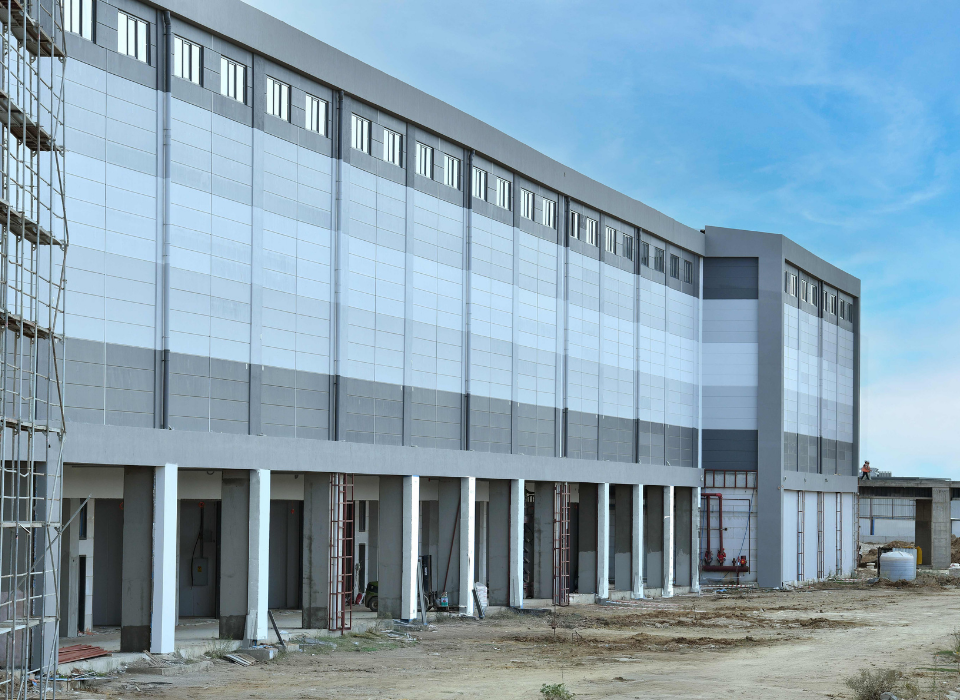
Ytong Panels: Fire resistance up to 360 minutes
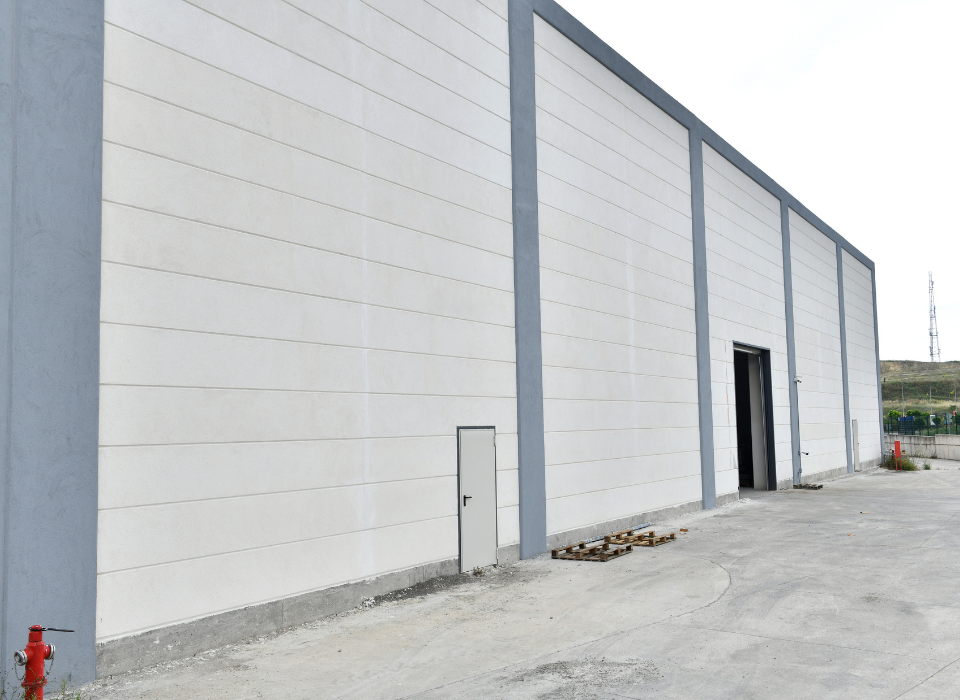
Ytong's reinforced panels are among A1 class non-combustible building materials. These panels, which do not ignite, do not emit toxic gases and do not drip, provide fire resistance far exceeding legal standards.
Agah Durukal described the panel properties as follows:
"Ytong Panels provide fire resistance of 180 minutes at just 10 cm thickness, and 240–360 minutes at 15 cm thickness. These periods far exceed the fire resistance durations required by regulations. Additionally, panels stand out with their impact-resistant structure and accelerate the construction process through ease of installation."
Galeri