COP31 Buildings and Cities Workshop Held Under Saint-Gobain's Strategic Partnership
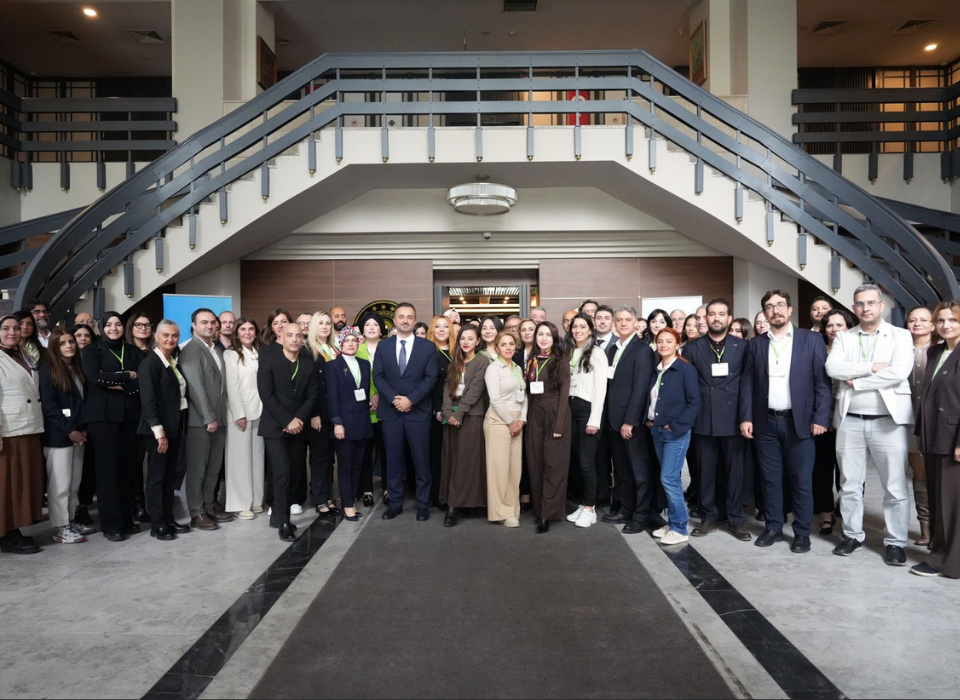
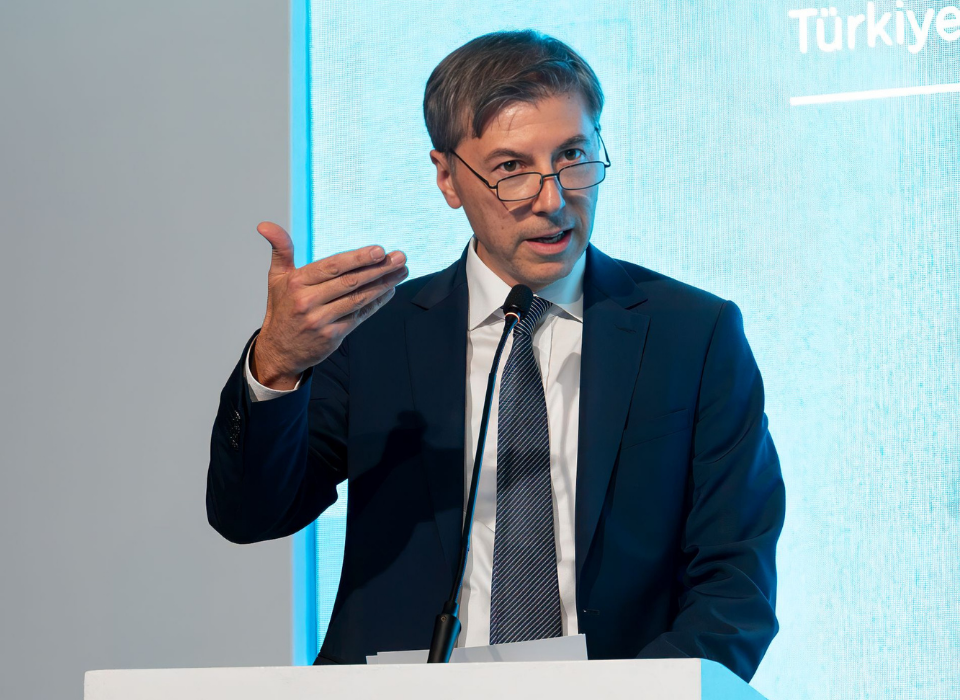
The COP31 Buildings and Cities Workshop, organized by the Turkish Green Building Council (ÇEDBİK) under the strategic partnership of Saint-Gobain Türkiye, was held in Ankara. The workshop, which brought together representatives from the public sector, academia, professional organizations, civil society and the private sector, addressed Türkiye's priorities in sustainable construction, low-carbon building materials and climate-resilient urban planning.
Held at the İLBANK Social Facilities with the contributions of the General Directorate of Professional Services of the Ministry of Environment, Urbanization and Climate Change, the workshop developed actionable policy and sector recommendations for the COP31 process.
Seven Key Topics for Sustainable Construction Addressed
Within the scope of the workshop, assessments were made under seven main topics, including energy and carbon management, circular economy, water management, green financing, building certification systems and digital transformation.
During the day-long roundtable sessions, emphasis was placed on increasing energy efficiency in buildings, expanding the use of renewable energy, and jointly evaluating the operational carbon emissions of buildings together with the embodied carbon arising from materials and construction processes.
In addition, bringing construction and demolition waste back into the economy through reuse and recycling, developing water efficiency practices, and creating climate change-resilient urban transformation models were also among the workshop's priority topics.
Concrete Recommendations Developed for Green Buildings and the Circular Economy
At the workshop, it was emphasized that financial incentives should be increased and financing mechanisms supporting green building investments should be strengthened in order to expand sustainable construction.
Within the scope of expanding green building certification systems, recommendations were developed to increase the nationwide use of Türkiye's local certification system YeS-TR and to open it up to international markets through YeS-İNT.
Monitoring the environmental impacts of building materials throughout their life cycle, developing material and building passports, and incorporating carbon performance into investment and design decisions were also considered among the practices that would support the sector's sustainable transformation.
In addition, attention was drawn to the need for more effective use of digital building data in line with sustainability goals and for strengthening data-driven decision-making processes in the construction sector.
Public-Private Sector Cooperation Emphasized for the COP31 Process
At the end of the workshop, the recommendations developed at the different working tables were shared with the participants. The development of a measurable and actionable sustainability approach extending from the scale of buildings to the scale of cities emerged as a common goal.
It is aimed that the views and recommendations put forward at the workshop will contribute to determining Türkiye's priorities in the fields of buildings, building materials and urban planning during the COP31 process.
It is also aimed to strengthen cooperation among public institutions, the private sector, academia and civil society organizations in order to expand the use of low-carbon, resource-efficient and climate change-resilient buildings.
About Saint-Gobain
Operating in the field of sustainable and lightweight construction solutions, Saint-Gobain designs, manufactures and distributes materials and services for the construction and industrial markets.
Offering solutions for the renovation of public and private sector buildings, the development of lightweight building systems, and the decarbonization of construction and industrial activities, the company carries out its innovation efforts in line with its sustainability and performance goals.
Celebrating the 360th anniversary of its founding in 2025, Saint-Gobain achieved sales of 46.5 billion euros in the same year. Operating with 162,000 employees in 80 countries around the world, the company aims to achieve net zero carbon emissions by 2050.
Advertisement
Рекламное место728 × 90