Nature Falls Silent: Biodiversity Loss Threatens Life Systems
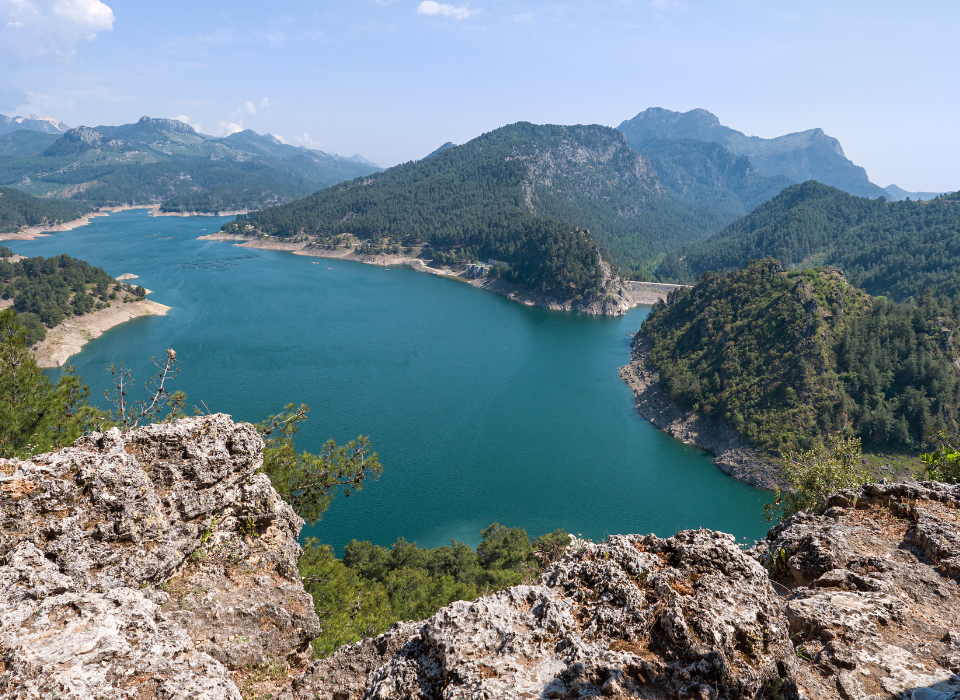
In a statement marking World Biodiversity Day on 22 May, the TEMA Foundation pointed out that biodiversity loss threatens not only nature but also soil, water resources, food security, human health and climate resilience. The foundation emphasized that this year's theme, "Be part of the plan," carries critical importance for the future of life.
On the occasion of 22 May World Biodiversity Day, TEMA Foundation issued a statement highlighting that the loss of biodiversity threatens not only nature but also soil, water resources, food security, human health and climate resilience. The Foundation emphasized that this year's theme, "Local action for global impact," carries critical importance for the future of life.
We live in a world where bird songs diminish with each passing day, the hum of bees becomes scarce, streams dry up and soil loses its fertility. Losses in nature are not sudden; they grow silently yet profoundly. Each loss disrupts nature's balance while causing larger fractures extending to humanity's future.
Scientific data clearly demonstrate the extent of biodiversity loss. While loss rates in freshwater ecosystems have reached 85%, vertebrate species populations have declined by 73% over the past 50 years. Approximately 1 million species worldwide face extinction risk.
Microorganisms that nourish soil, ecosystems that purify water, pollinators that enable plant reproduction and forests that balance climate are rapidly disappearing. The weakening of this delicate network sustaining human life deepens through climate crisis, land degradation, pollution, overconsumption and destruction of natural habitats.
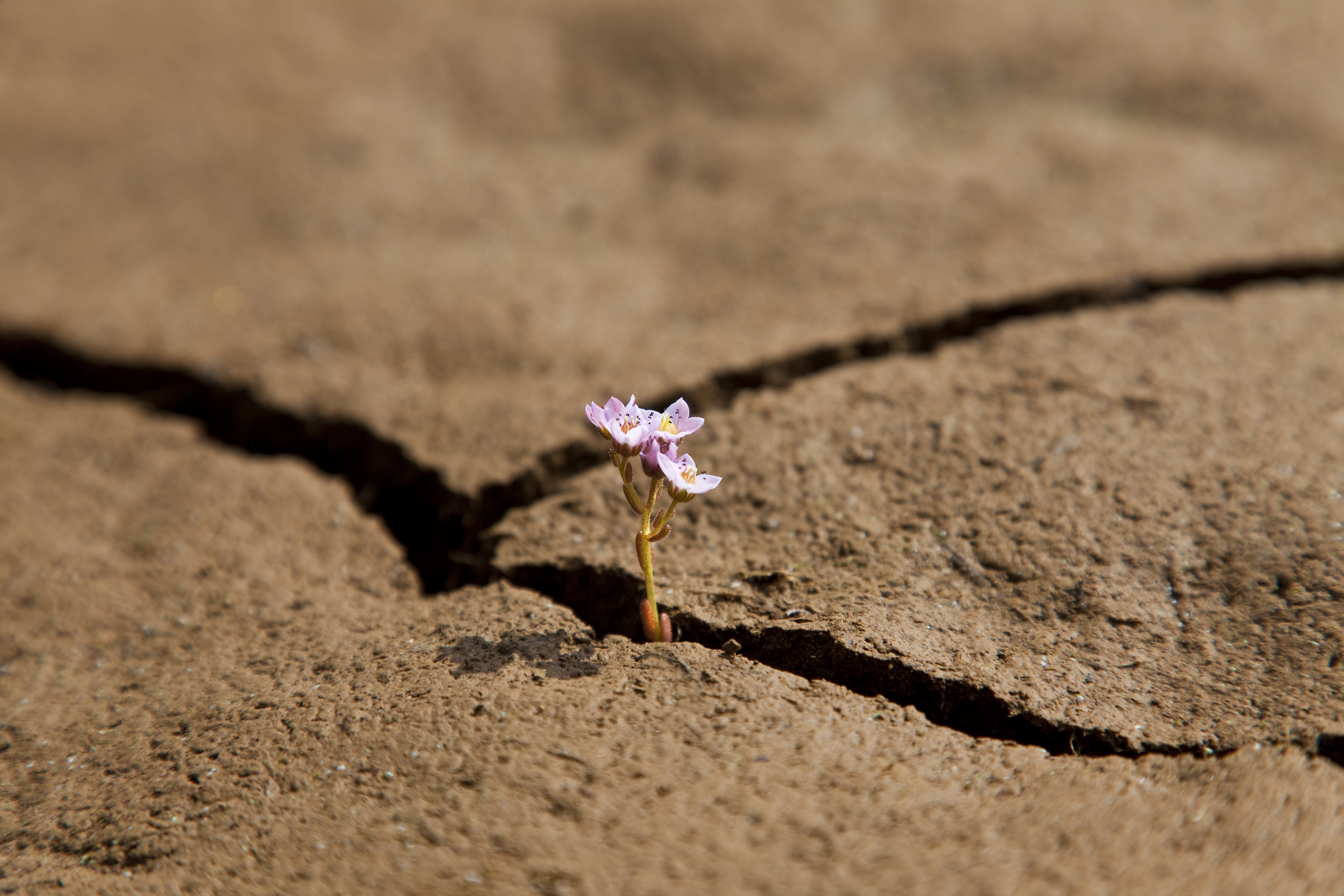
"Species loss has reached 1,000 times the natural extinction rate"
TEMA Foundation Board Chairman Deniz Ataç, drawing attention to biodiversity loss as one of humanity's greatest crises, stated:
"Biodiversity is not merely the richness of living species in nature; it is the foundation of an invisible system that ensures human life's continuity. 38% of tree species globally face threatened extinction. According to scientific research based on fossil records, today's species loss rates have reached approximately 1,000 times the natural extinction rate. These figures show that natural systems sustaining life are approaching a critical breaking point. With each species we lose, we actually lose a piece of our future."
Ataç further noted the importance of biodiversity conservation in combating the climate crisis, stating:
"From access to clean water to healthy food, from resilience against natural disasters to climate balance, the sustainability of life depends on biodiversity. Nature is not merely an area that needs protection; it is a life system that needs protection. Forests, wetlands, grasslands and all natural ecosystems; together with their living species, sustain humanity's future. Therefore, protecting nature is no longer a choice but our shared responsibility."
Every protected habitat locally influences the world's future
Turkey is located at the intersection of three different plant geographies and ranks among countries exceptionally rich in endemic species. However, the proportion of protected areas to the country's surface area remains at only 14%, falling below the global average of 17%.
Increasing mining activities, unplanned construction, land degradation and pressures on natural areas pose serious risks to biodiversity.
The Kunming-Montreal Global Biodiversity Framework, adopted under the United Nations Convention on Biological Diversity and signed by Turkey, aims to increase protected areas to 30% by 2030 and restore 30% of degraded ecosystems.
These targets directly align with this year's theme, "Local action for global impact." A meadow protected locally, a wetland preserved or a species placed under protection strengthens not only its region but also the world's shared web of life.
"We consume 1.5 times more than the world's renewal capacity"
Deniz Ataç, emphasizing that nature protection is the shared responsibility of all segments of society, not only institutions or governments, stated:
"Today's consumption level has reached approximately 1.5 times the world's renewal capacity. Viewing nature solely as a resource to be consumed or a raw materials repository threatens ecosystems and human life alike. Therefore, it is of great importance that every individual reviews their consumption habits and establishes a more balanced life with nature. Small changes starting from our homes can create powerful local impact and transform into a force that will change the world."
Ataç also noted that within the scope of the Biodiversity Project conducted in the name of the late A. Nihat Gökyiğit, one of TEMA Foundation's founders, they are carrying out work to raise public awareness of biodiversity, expand protected areas and strengthen nature protection policies against practices threatening natural habitats.
"A seed can still sprout, a stream can be revived, a forest can breathe again. Every protection step taken locally protects a species, an ecosystem, a water resource and actually our shared future. It is still possible to move into action before the world falls silent."
Gallery