Number of Alzheimer's Patients in Turkey to More Than Double by 2050

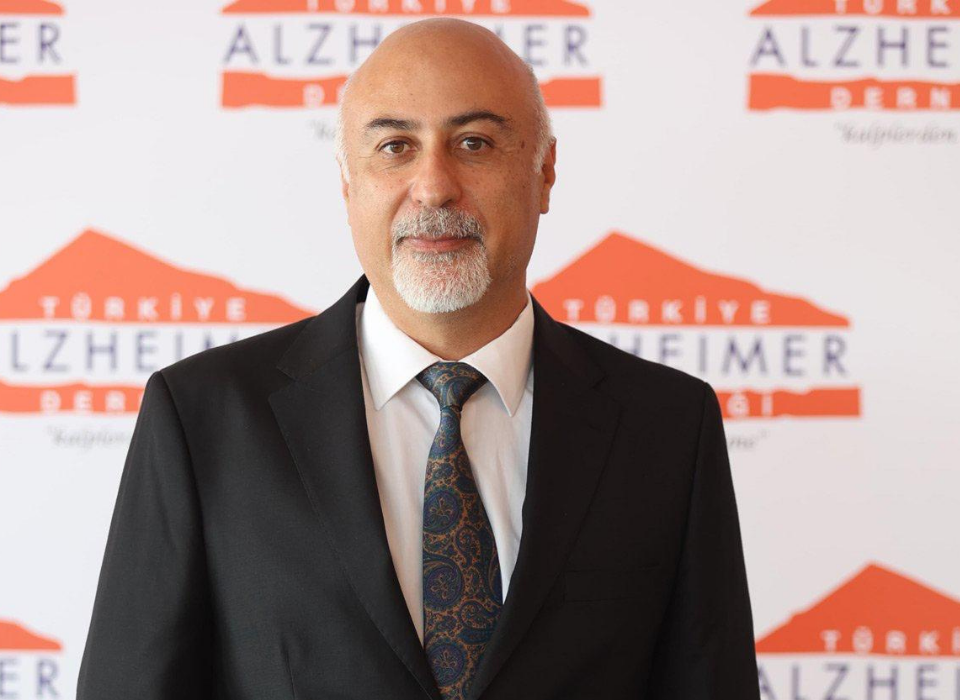
Prof. Dr. Başar Bilgiç, a faculty member at Istanbul University Istanbul Faculty of Medicine, Department of Neurology, and Chairman of the Medical Board of the Turkish Alzheimer's Association, issued striking warnings about Alzheimer's disease. Bilgiç emphasized that the disease is not simply forgetfulness but a progressive brain disorder, and delivered important messages to the public regarding early symptoms, risk factors, prevention methods and new treatments.
Prof. Dr. Başar Bilgiç, an Associate Professor at the Department of Neurology at Istanbul University Istanbul Medical Faculty and Chair of the Medical Board of the Turkey Alzheimer Association, issued striking warnings about Alzheimer's disease. Bilgiç emphasized that the disease is not merely simple forgetfulness but a progressive brain disorder, and conveyed important messages to the public about early symptoms, risk factors, prevention methods and new treatments.
Alzheimer Cases to Rise Exponentially
Noting that Turkey currently has approximately 700,000 Alzheimer's patients, Prof. Dr. Bilgiç stated that this number is expected to increase 2 to 2.5 times over the next 25 years:
"The proportion of the population over 65 years of age is currently around 10 percent. By 2050, this rate will rise to 23 percent; that is, one in every four people will be elderly. Alzheimer's disease will become one of the most important health problems in society."
Early Symptoms Are Critical
Stressing that Alzheimer's should not be confused with simple age-related forgetfulness, Bilgiç drew attention to the following symptoms:
- Inability to recall daily conversations, forgetting appointments
- Placing items in unusual locations
- Difficulty finding words while speaking
- Repeating the same question at short intervals
Noting that mild forgetfulness seen in normal aging is not progressive, Bilgiç stated that if these symptoms appear, medical consultation should be sought without delay.
Prevention Methods: What Is Good for the Heart Is Good for the Brain
Prof. Dr. Bilgiç said that Alzheimer's risk is not solely dependent on genetic factors, and that a healthy lifestyle can significantly reduce risk:
"Hypertension, diabetes, obesity, smoking, high cholesterol and stroke risk trigger Alzheimer's. Regular exercise, Mediterranean-type diet, quality sleep and social interaction protect the brain. Healthy steps taken especially in middle age provide the strongest protection against Alzheimer's."
New Era in Treatment
Bilgiç noted that new medications targeting amyloid protein, developed in recent years, slow disease progression by 20 to 35 percent:
"Thanks to these treatments, patients can continue their daily activities independently for longer periods. In Turkey, it is possible to benefit from these treatments with proper patient selection and regular follow-up."
Support for Patient Families Is Essential
Drawing attention to the heavy burden borne by the families of Alzheimer's patients, Bilgiç emphasized the need to expand day-care centers, increase financial support and strengthen psychological counseling services.
A Call to Society: Let Us Discuss Alzheimer's and Provide Support
Prof. Dr. Bilgiç stressed that awareness is the most important step in combating Alzheimer's:
"Let us not view forgetfulness as fate. Let us not hesitate to discuss the disease, let us support without stigmatizing. Alzheimer's is everyone's concern."
About Prof. Dr. Başar Bilgiç
Prof. Dr. Başar Bilgiç has been working with dementia and Alzheimer's patients since 1997. He serves as an Associate Professor in the Department of Neurology at Istanbul University Istanbul Medical Faculty, has held positions in the management of the Turkey Alzheimer Association for 14 years and currently serves as Chair of the Association's Medical Board.
Gallery