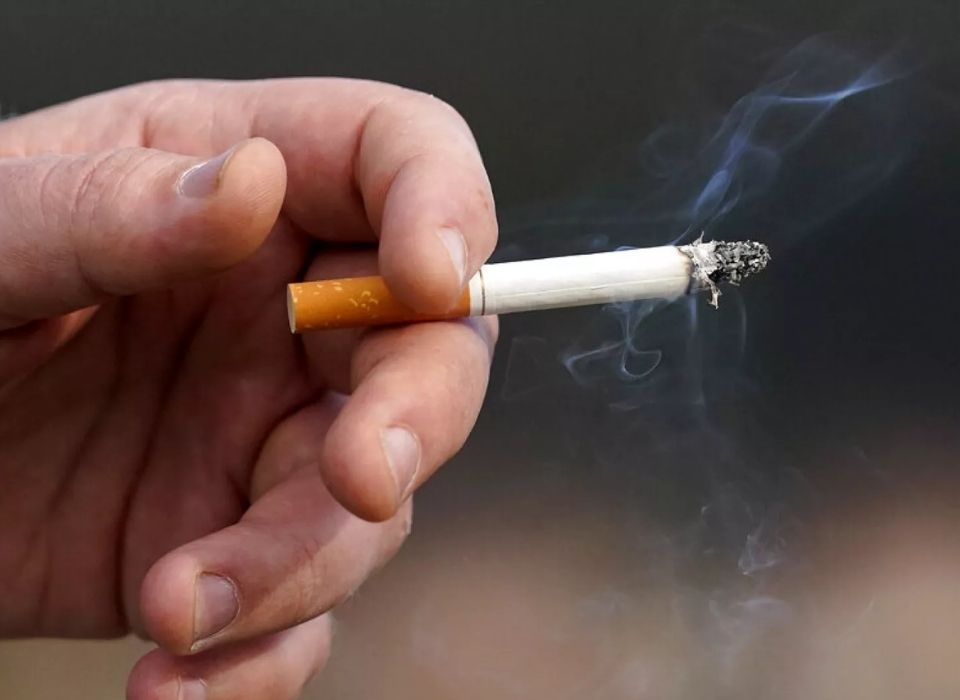
Smoking Affects Oral and Dental Health in Many Ways
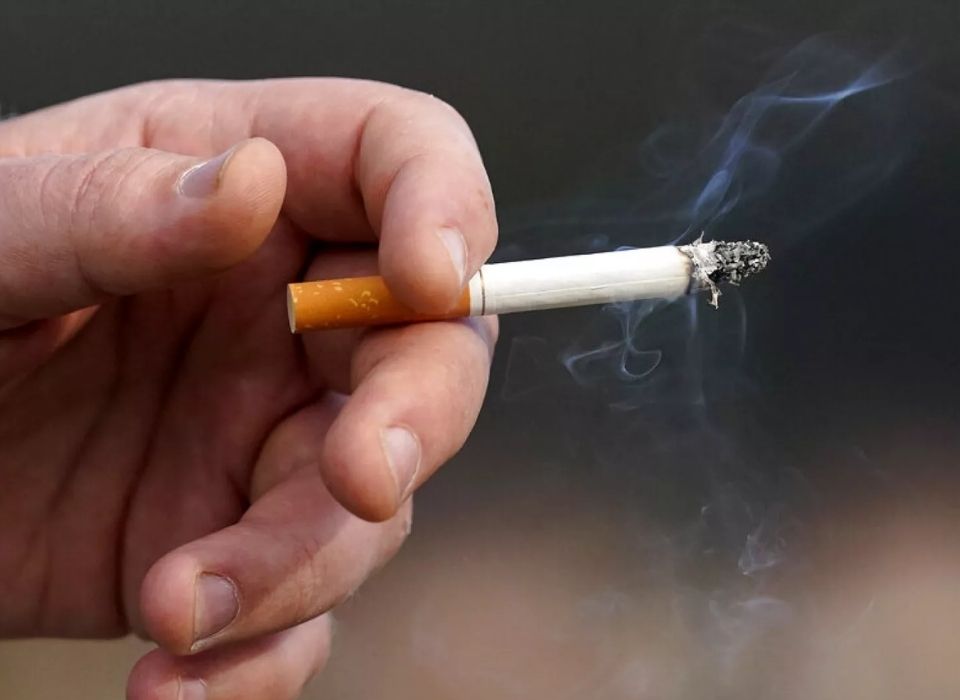
Dr. Sedanur Yavuz, Assistant Professor and Periodontology Specialist at Üsküdar University Üsküdar Dental Hospital, discussed the effects of smoking on oral and dental health.
Dr. Sedanur Yavuz, Periodontology Specialist at Üsküdar University Üsküdar Dental Hospital, discussed the effects of smoking on oral and dental health.
Experts note that smoking negatively affects oral and dental health in addition to general health, and that smoking increases the risk of oral cancer by 4-5 times.
Periodontology Specialist Dr. Sedanur Yavuz, who stated that smoking causes progression of gum diseases and failure of oral and dental treatments, said: "Smoking prolongs or disrupts the process of implant integration with bone. At the same time, it increases bacterial load in the mouth and raises the risk of infection."
Dr. Yavuz stated that quitting smoking is the most effective way to prevent bad breath, and that when smoking is stopped, dental health can be regained over time and treatment outcomes can be improved.
Oral cancer risk is 4-5 times higher in smokers…
Periodontology Specialist Dr. Sedanur Yavuz, noting that smoking has harmful effects on oral and dental health in addition to its harmful effects on general health, said: "Smoking, through nicotine and other substances it contains, creates toxic effects in the mouth. Smoking can cause dark brown discoloration on tooth surfaces, pigmentation of the gums, bad breath, and oral cancers."
Pointing out that according to research, individuals who smoke have a 4-5 times higher risk of developing oral cancer compared to non-smokers, Dr. Sedanur Yavuz continued: "Smoking also causes narrowing of blood vessels, reducing blood supply to the gums. This leads to accelerated progression of gum diseases, delayed healing of gum treatments, and impaired wound healing."
Watch for mouth lesions lasting 2-3 weeks!
Periodontology Specialist Dr. Sedanur Yavuz, emphasizing that use of hookah and electronic cigarettes causes the same problems as smoking, continued:
"Oral cancers refer to cancers affecting the lips, tongue, floor of mouth, cheeks, hard palate, alveolar mucosa, retromolar area, and soft palate region. If there is a lesion in the mouth that does not heal for 2-3 weeks, it should raise suspicion in the treating clinician. Dentists play a critical role in managing oral cancer through detection of premalignant lesions, early diagnosis of oral cancer, management of patients before and after dental treatments, monitoring of recurrent or primary tumors with the cancer-treating specialist, and rehabilitation of missing teeth with prosthodontists."
Smoking can negatively affect treatment success!
Periodontology Specialist Dr. Sedanur Yavuz, noting that smoking is one of the risk factors that negatively affects implant success, said: "Smoking reduces blood supply and the amount of nutrients and oxygen delivered to tissues through blood vessels due to blood vessel narrowing. This prolongs or disrupts the process of implant integration with bone. At the same time, it increases bacterial load in the mouth and raises the risk of infection. The duration and daily amount of cigarettes consumed by the patient affects healing capacity. For this reason, it is recommended that patients undergoing implant surgery reduce or completely stop daily smoking consumption."
Periodontology Specialist Dr. Sedanur Yavuz, noting that smoking also has negative effects on restorative materials in the mouth, explained: "Smoking can cause gum problems leading to poor fit between restoration and tooth margins, and cause dark brown discoloration on restorations. Furthermore, studies have shown that composite fillings in individuals who smoke have weaker bonds with tooth surfaces."
The best way to reduce bad breath is to quit smoking…
Periodontology Specialist Dr. Sedanur Yavuz, recalling that smoking leads to dry mouth, gum disease, and tooth decay, and that all these conditions contribute to bacterial growth causing bad breath, said: "Various recommendations can be given to patients to prevent bad breath from smoking. Maintaining daily oral hygiene, regular tooth brushing twice daily, and daily flossing are among the most effective ways to eliminate bad breath.
Additionally, using alcohol-free mouthwash after brushing and flossing also helps eliminate bad breath. Cleaning the tongue using tongue cleaners also significantly reduces bad breath. Since smoking causes dry mouth, consuming plenty of water and chewing sugar-free gum also helps reduce bad breath. The best way to reduce bad odor from smoking is, of course, to quit or reduce smoking."
Quitting smoking can enable gradual recovery of dental health…
Stating that the best way to minimize the many health risks caused by smoking is to quit smoking, Periodontology Specialist Dr. Sedanur Yavuz said: "Since there are cumulative effects in the mouth depending on the duration of smoking, when smoking is stopped, blood supply to tissues does not immediately return to normal. However, over time, blood supply and nutrition to tissues increase, reducing the negative effects of smoking on the mouth and dental treatments."
Reminding that during this period, a detailed oral examination must be performed to diagnose problems in the mouth for the individual to regain dental health, Periodontology Specialist Dr. Sedanur Yavuz concluded: "Gum treatments, restorative and prosthetic treatments can be performed. At the same time, since smoking also negatively affects implant success, implant surgery can be safely performed once smoking has been discontinued."
Gallery