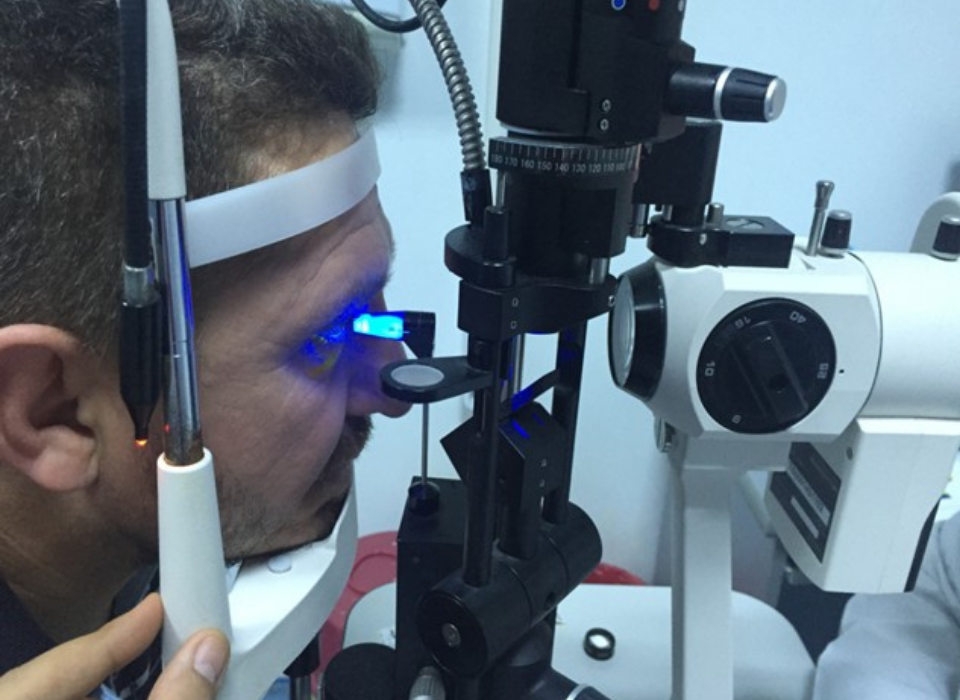
Glaucoma Patients Should Not Skip Eye Drops During Ramadan
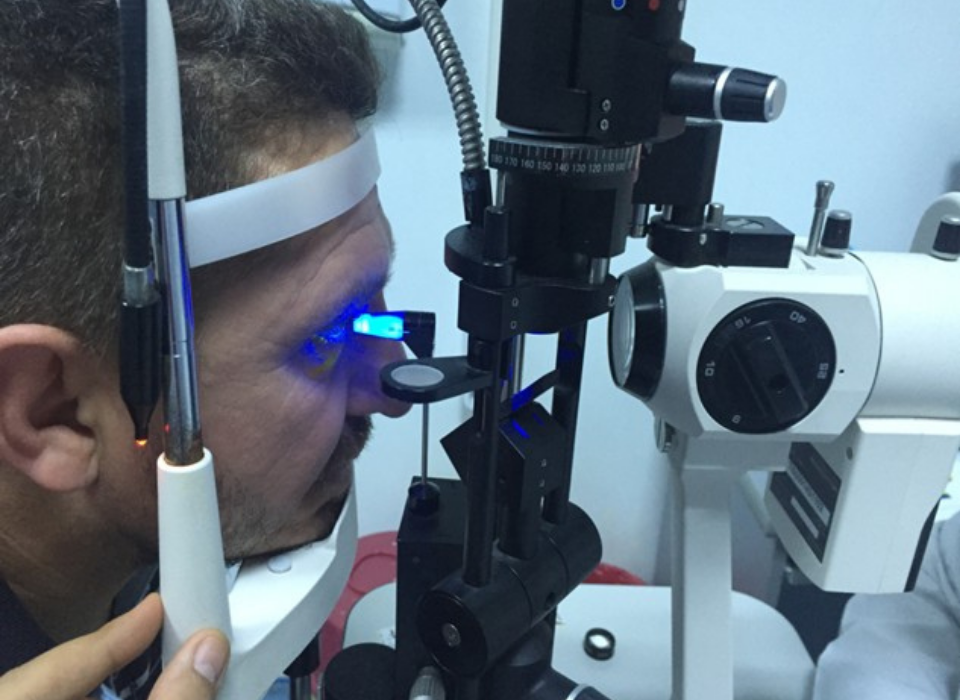
In a statement issued as part of World Glaucoma Week, the Turkish Ophthalmological Society emphasized that glaucoma patients should not interrupt their treatment. Experts noted that the use of eye drops does not break the fast and stated that patients should continue their treatment regularly during Ramadan.
The Turkish Ophthalmological Society emphasized in a statement issued for World Glaucoma Week that glaucoma patients should not interrupt their treatment. Experts reminded that eye drop use does not break the fast, and patients should continue their treatment regularly during Ramadan.
The Turkish Ophthalmological Society drew attention to glaucoma disease within the scope of World Glaucoma Week on 8–14 March and emphasized the importance of early diagnosis. Prof. Dr. Tekin Yaşar, Head of the Glaucoma Unit at the Turkish Ophthalmological Society, described glaucoma as an insidious disease that results from damage to the optic nerve and can lead to blindness in advanced stages.
Eye drop use does not break the fast
Noting that this year's Glaucoma Week coincides with Ramadan, Prof. Dr. Tekin Yaşar stated that one of the most frequently asked questions by glaucoma patients is whether eye drops break the fast.
Yaşar noted that according to a statement from the Directorate of Religious Affairs, the use of eye drops does not break the fast, and that glaucoma patients and others who use eye drops regularly should not interrupt their treatment.
Pointing out that eye drops are applied in very small amounts and do not constitute food intake, Yaşar emphasized that patients should not delay using drops based on suhoor or iftar times.
Glaucoma is the second leading cause of blindness
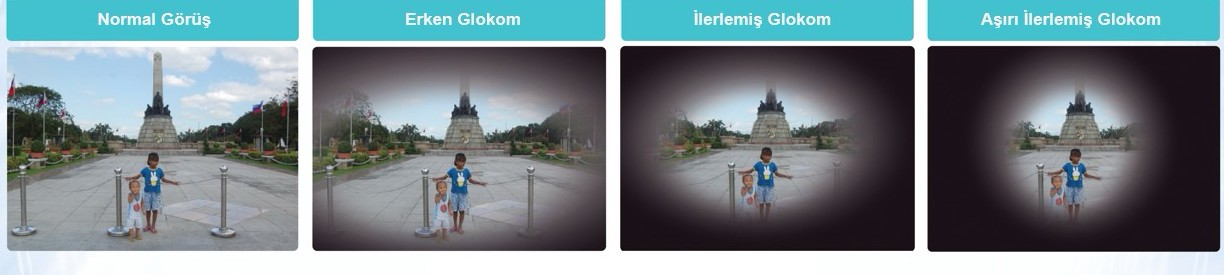
Prof. Dr. Tekin Yaşar drew attention to glaucoma being the second most common cause of blindness after cataracts worldwide and shared the following information:
"Glaucoma often progresses without symptoms and causes irreversible damage to the optic nerve. For this reason, early diagnosis is extremely important. With early diagnosis, disease progression can be halted."
While approximately 2.5 million people in Turkey are estimated to have glaucoma, it is noted that approximately half of these individuals are unaware of their condition.
Those with a family history of glaucoma are at risk
Stating that glaucoma can occur at any age from birth but most commonly appears after age 40, Yaşar noted that people with a family history of glaucoma should have regular eye examinations.
Experts emphasize that regular eye examinations and eye pressure measurements must not be neglected for early detection of glaucoma.
Gallery