UN Declares 2026 "International Year of Volunteers for Sustainable Development"
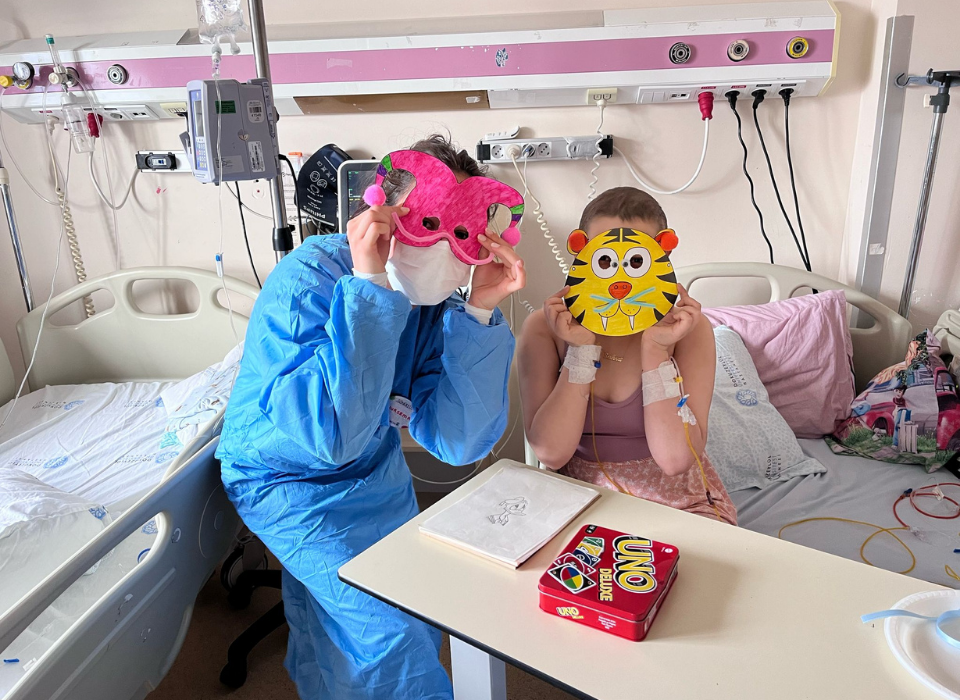
The United Nations' (UN) declaration of 2026 as the "International Year of Volunteers for Sustainable Development" aims to raise global awareness of the role of volunteering in sustainable development. KAÇUV (Foundation for Children with Cancer), which operates in the field of childhood cancer, is contributing to the spread of informed and qualified volunteering practices in healthcare through a structured volunteering model it has developed with training and expert guidance.
The United Nations' designation of 2026 as the "International Year of Volunteers for Sustainable Development" aims to increase global awareness of volunteering's role in sustainable development. The Foundation for Hope to Children with Cancer (KAÇUV), which operates in the field of childhood cancer, contributes to the dissemination of informed and qualified volunteering practices in healthcare through its structured volunteering model developed with education and expert guidance.
The KAÇUV volunteering model, which has involved 3,532 volunteers to date, centers ethical principles, child safety and expert support in the health sector, which requires direct contact with children and families.
As part of the United Nations' designation of 2026 as the "International Year of Volunteers for Sustainable Development," the webinar series "International Year of Volunteers" organized in collaboration with the National Volunteering Committee (UGK) and ILA Talks will bring together volunteering applications in different fields. KAÇUV will share its experiences through the structured volunteering model it has applied for years in the field of childhood cancer at a session titled "Rethinking Volunteering in Childhood Cancer," with participants.
Volunteering starts with education
Alican Yurtsever, General Manager of KAÇUV, who points out that volunteering in the field of childhood cancer must be conducted not only with good intentions but also with knowledge, ethical responsibility and expert guidance, said the following:
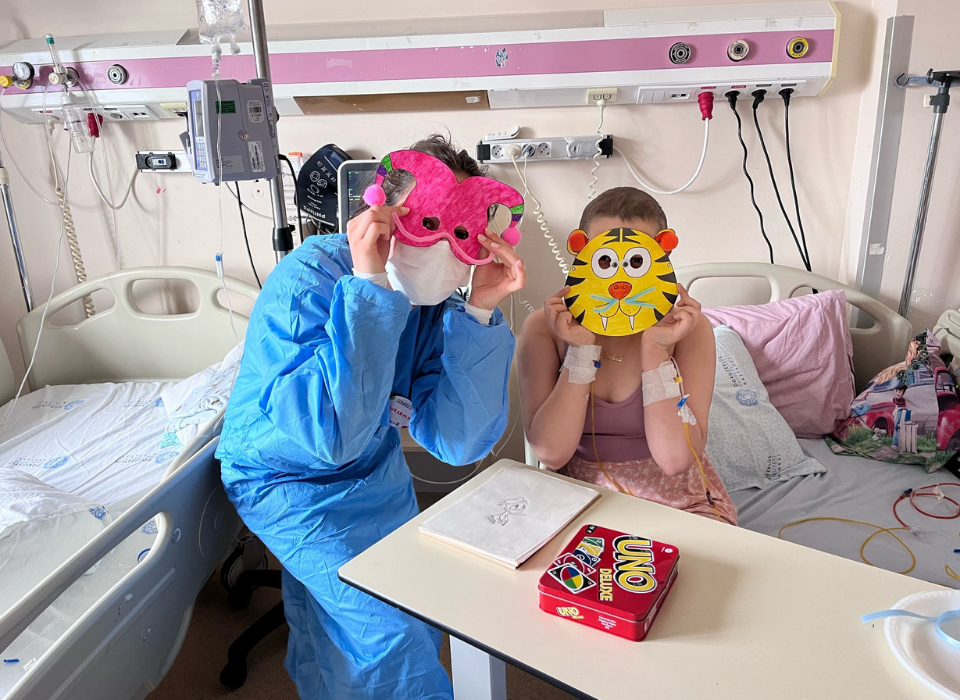
"Volunteering, which strengthens social solidarity, is one of the important elements of sustainable development. Volunteering in the healthcare sector, however, requires ethical principles and expert guidance. At KAÇUV, the volunteering process begins with an application. Within our structured model that centers on the needs of children and families, our volunteers receive training on topics such as children's rights, child safety, ethical principles, infection sensitivities, communication with children and the operation of healthcare services before participating in field work. Throughout the process, they serve under the guidance of expert teams and become an important part of psychosocial support work conducted in hospital wards and KAÇUV Family Homes."
Yurtsever noted that volunteers not only work with children and families, but can also take on tasks in central office, communications, organization and resource development work in line with their interests and competencies.
KAÇUV will share experiences through webinar
Yurtsever, noting that the webinar, where KAÇUV Volunteer and Education Coordinator Nermin Karataştan Sansar will speak, will shed light on volunteering practices in the healthcare sector, said:
"In the webinar titled 'Rethinking Volunteering in Childhood Cancer' that we will hold on 30 July, we will share how our volunteering model is structured, the ethical dimension of volunteering in the field of childhood cancer, the collaborations we conduct with health professionals, and our implementation experiences in hospital wards and KAÇUV Family Homes. Our aim is to strengthen informed volunteering practices in the healthcare sector and provide guidance information to anyone who wants to volunteer in this field."
The webinar, which will be held free of charge, will be open to anyone interested in volunteering in the healthcare sector.
Gallery