"A Journey That Began with a Breath: 73 Years of Modern Intensive Care"
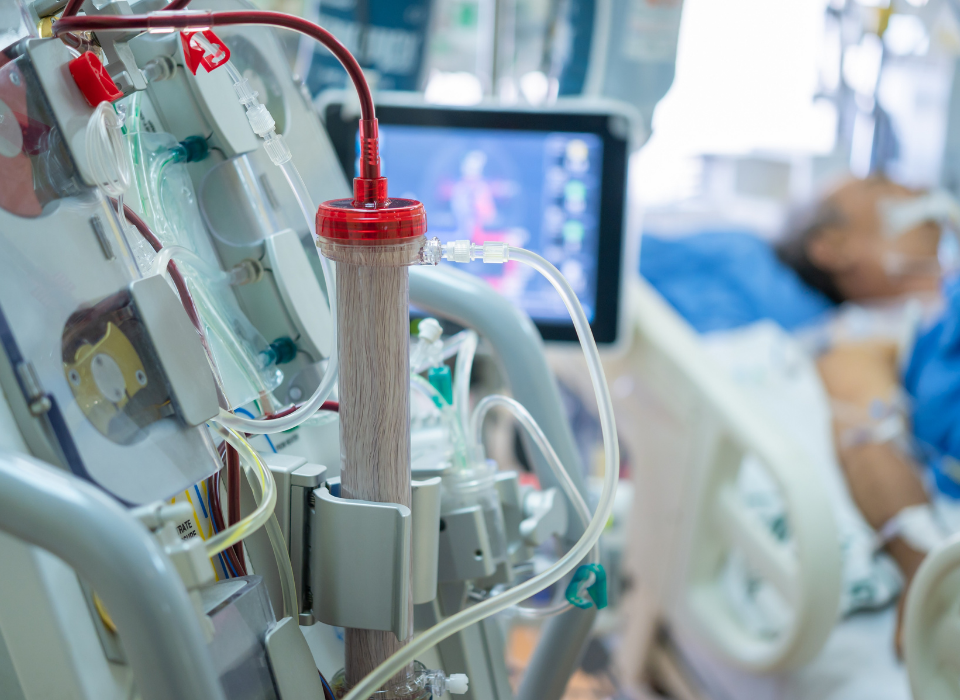
As is the case globally, tens of thousands of critically ill patients in Turkey are treated in intensive care units every year, on the fine line between life and death. Assessing where things stand in the 73rd year since the establishment of modern intensive care, Prof. Dr. Tuğhan Utku, Intensive Care Specialist at the Department of Anesthesiology and Reanimation at Yeditepe University Hospitals, said, "Intensive care units save lives not only through technology but through human effort. We have seen during pandemics that these units are the last line of defense for the healthcare system."
Like the rest of the world, tens of thousands of critical patients in Turkey receive treatment in intensive care units each year, navigating the fine line between life and death. On the 73rd anniversary of the establishment of modern intensive care, Prof. Dr. Tuğhan Utku, Head of the Department of Anesthesiology and Reanimation at Yeditepe Üniversitesi Hastaneleri and Intensive Care Specialist, evaluated the current state of the field: "Intensive care units save lives not only through technology, but through human effort. We saw during pandemics that these units are the last line of defense for the health system."
From one breath to today
Vivi Ebert, the first patient saved through the intervention of Björn Ibsen on 27 August 1952—recognized as the beginning of modern intensive care medicine—became the symbolic figure of this field. Although Ebert continued living with machine support for years and died at age 31 in 1971, his breath symbolized the beginning of a science that today offers hope to millions of people.
"It is the team, not the bed, that saves lives"
Prof. Dr. Utku stated: "In today's intensive care units, technology and human effort meet at the highest level. Patients are monitored continuously 24/7 by physicians and nurses. However, in intensive care, it is the team, not the bed, that saves lives."
The state of intensive care in Turkey
According to 2023 Ministry of Health data, Turkey has a total of 48,966 intensive care beds in 1,566 hospitals. This number represents approximately 18% of total hospital beds. 50% of the beds are in Ministry of Health hospitals, 14% are in university hospitals, and 35% are in private hospitals. Approximately 20% of intensive care beds are located in Istanbul.
Prof. Dr. Utku stated: "Although numerically strong, the imbalance in distribution, inappropriate patient referrals, and the need for palliative care being met in intensive care prevent efficient use of resources."
Misconceptions persist
Prof. Dr. Utku noted that misconceptions about intensive care remain widespread in society: "Intensive care does not guarantee survival in all cases. Equipment only provides organ support; actual treatment depends on teamwork and timely intervention. Furthermore, many intensive care patients are conscious and can communicate. Intensive care encompasses not only treatment but also quality of life, rehabilitation, palliative care, and organ donation processes."
"27 August should be an awareness day"
Prof. Dr. Utku concluded his remarks as follows:
"27 August is not only the anniversary of the establishment of intensive care; it should also be a day when health workers are remembered and the value of intensive care is understood. We respectfully commemorate Björn Ibsen and all health workers who have contributed to this field."
Gallery