Turkish Scientists Publish Study That Surprises the Scientific Community
Does microorganisms play a role in the formation of plaques that cause arterial blockages in those with atherosclerosis, known as hardening of the arteries? The result of scientific research seeking an answer to this question surprised the scientific world as well! According to research published in Journal of Infection and Public Health, a leading scientific journal in the field, DNA of Toxoplasma gondii, which is transmitted from raw meat and cats, was found in plaques that cause arterial blockages.
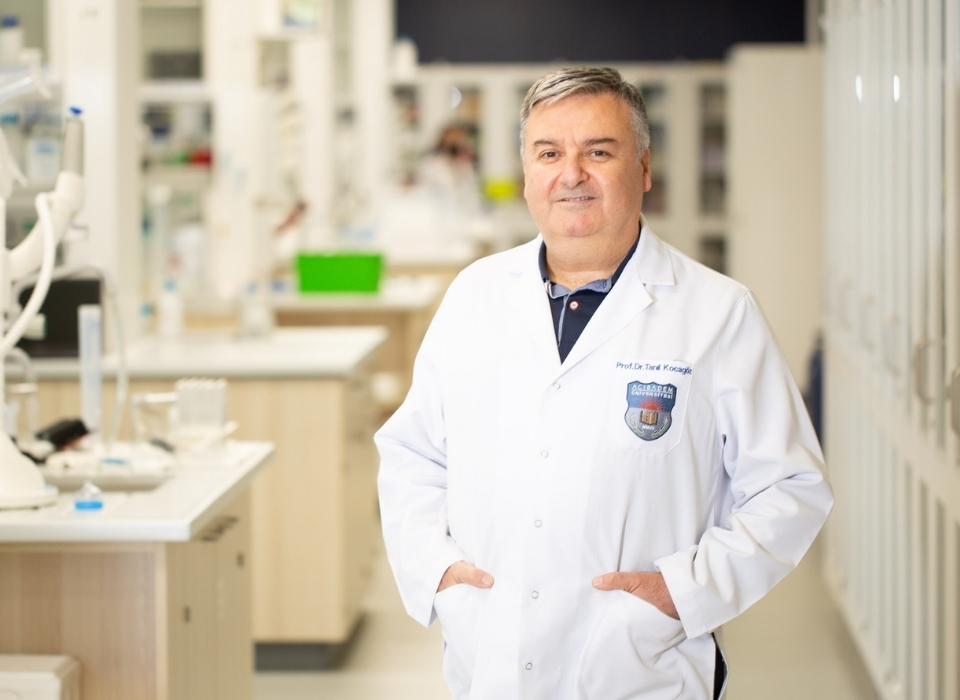
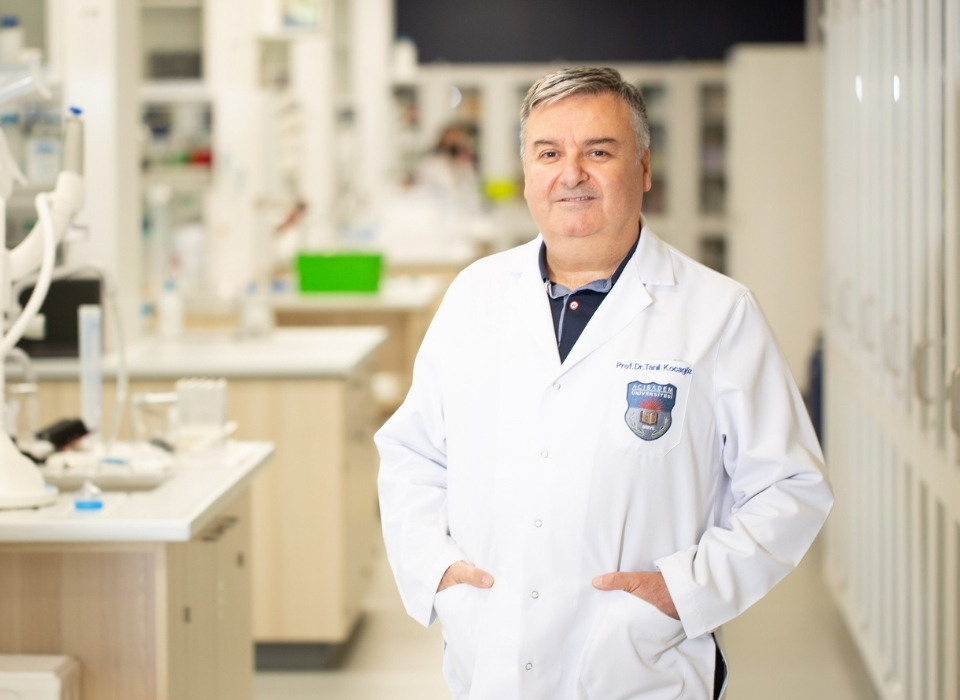
This research, conducted by Prof. Dr. Tanıl Kocagöz, Head of the Department of Medical Microbiology at Acıbadem University School of Medicine, and his team, draws attention not only for its results but also for being the first large-scale study conducted in this field.
Cardiovascular diseases rank first among causes of death from disease worldwide. The leading two causes among deaths from these diseases are heart attacks and stroke. However, new research from the scientific world helps clarify many questions in the diagnosis and treatment of these diseases. One of those important studies was authored by Prof. Dr. Tanıl Kocagöz, Head of the Department of Medical Microbiology at Acıbadem University School of Medicine and his team. According to this research, it is thought for the first time that Toxoplasma gondii may play a role in the formation of atheroma plaques that block arteries leading to heart attacks and stroke. This new scientific discovery will be the first step in initiating new research in this field. Here are the details of this research published in Journal of Infection and Public Health, a leading scientific journal in the field...
The result was surprising!
The 2-year research was conducted by a team consisting of Prof. Dr. Tanıl Kocagöz, Head of the Department of Medical Microbiology at Acıbadem University School of Medicine, Feyzanur Erdemir, Ahmet Karabulut, Ünal Aydın, Salih Güler, Ayşenur Çiçek, Selcen Necibe Gökduman, Ecem Eser and Selçuk Birdoğan. Prof. Dr. Tanıl Kocagöz, who states that finding the DNA of Toxoplasma gondii, a parasite, in plaque formation in arteries is a very important scientific development, says: "In research we have conducted to date and that others have conducted, it has been seen that microorganisms play an aggravating and worsening role in many diseases. In our research, we started from the question: 'Do microorganisms play a role in atheroma plaque formation?'"
Microorganisms are the cause of some important diseases...
Providing a striking example from the history of science regarding the relationship between microorganisms and disease, Prof. Dr. Kocagöz states: "In the past, for years it was believed that peptic ulcers were due to excessive acid production, and treatment was attempted only with medications that eliminated acid or reduced its secretion. However, later a Clinical Microbiology Specialist named Barry Marshall discovered a bacterium called Helicobacter pylori that caused peptic ulcers. This discovery, which won Barry Marshall the Nobel Prize, changed peptic ulcer treatment worldwide overnight. The basic treatment became antibiotic therapy aimed at eliminating this bacterium. We, starting from this striking example, investigated the role of microorganisms in atheroma plaque formation. We examined the DNA sequences in plaques and after eliminating human DNA, we found Toxoplasma gondii DNA. The reason this has not been noticed until now may be due to it being an organism that cannot be easily detected by culturing in culture media," he says.
It can remain in our bodies for years without showing any symptoms
Toxoplasma gondii is a parasite that can easily enter the human body and cause infection. It is transmitted worldwide through cat feces, consumption of raw or undercooked meat, shellfish or lobster products, and even by handling raw meat with bare hands. Moreover, it can remain in our body for years without showing any symptoms. Prof. Dr. Tanıl Kocagöz, noting that if transmission occurs in the first three months of pregnancy, it can cause some important anomalies in the baby, states: "In those with well-functioning immune systems, it generally causes an asymptomatic infection. However, in cancer patients receiving chemotherapy or in immunocompromised diseases such as AIDS, it can cause serious infections in various organs, particularly the eyes and brain."
Parasites can easily attach to damaged blood vessel surfaces
Regarding the role of Toxoplasma gondii, which is very common worldwide, in plaque formation, Prof. Dr. Tanıl Kocagöz provides the following information: "In arterial hardening, the structure of the inner surface of arteries is particularly damaged. Plaque formation in arteries is generally considered a condition based on chronic inflammation. It is suggested that the inflammatory state is triggered by autoimmune diseases (immune response against one's own tissues). It is known that atheroma plaques contain cholesterol accumulation, cellular waste products and calcium salts. However, as the blood vessel surfaces become rough and damaged, parasites also attach and begin to multiply more easily. As a result of chronic inflammation and continuous damage and repair processes occurring there, it transforms into a structure called atheroma plaque that progressively blocks arteries. This formation was believed to result from factors other than microorganisms. But this research result, in which we found DNA of Toxoplasma gondii, led us to think for the first time that a microorganism may play a role in plaque formation."
Whether live Toxoplasma exists will be investigated
Prof. Dr. Tanıl Kocagöz, stating that they will conduct new research based on this result, says: "Our research has given us a strong clue that a proliferating microorganism is present there. We think the result we obtained may be an important step in combating diseases caused by arterial hardening. To obtain more evidence, we are continuing our research. This time we will try to culture Toxoplasma gondii and prove that there is indeed live Toxoplasma there. The DNA we found through research was our first scientific step, our initial starting point that will enable us to conduct a series of investigations."
Heart attack and stroke are among the leading causes of death
In arterial hardening caused by plaque formation in arteries, the arteries begin to narrow and become blocked; in organs that cannot receive adequate blood flow, damage and death occur. Two very important diseases caused by arterial hardening—heart attack and stroke—rank at the top of the list of dangerous diseases. According to data from the World Health Organization, more than 18 million people die from heart attacks each year worldwide, while in our country this number is recorded as approximately 300,000 people annually. Numbers are also quite high for stroke; more than 20 million people experience stroke each year worldwide and 8 million people die. In our country, the number of people who die from stroke is approximately 50,000.
Gallery