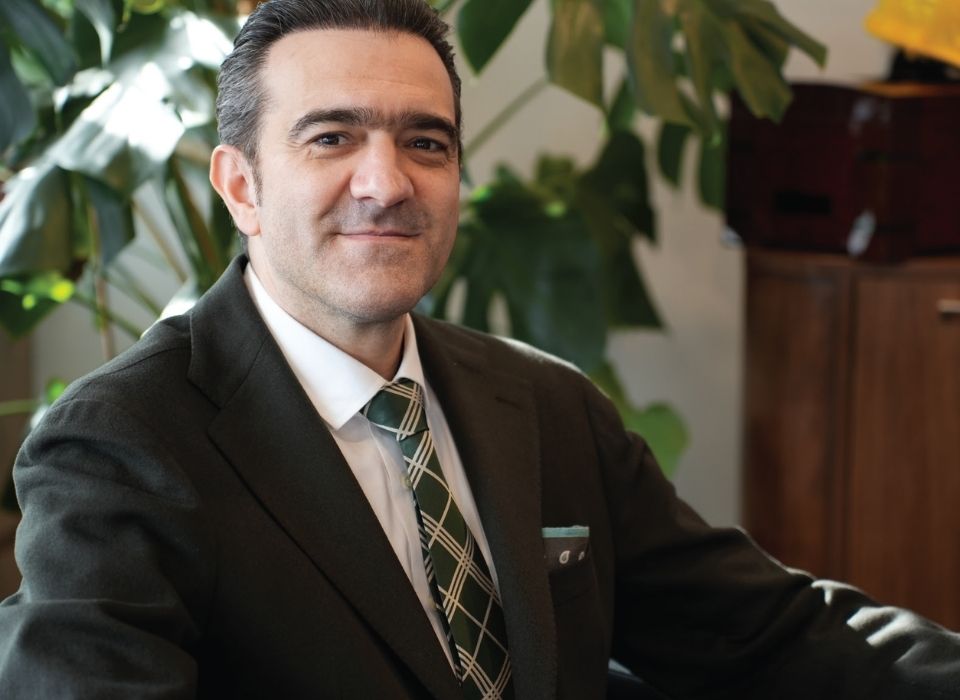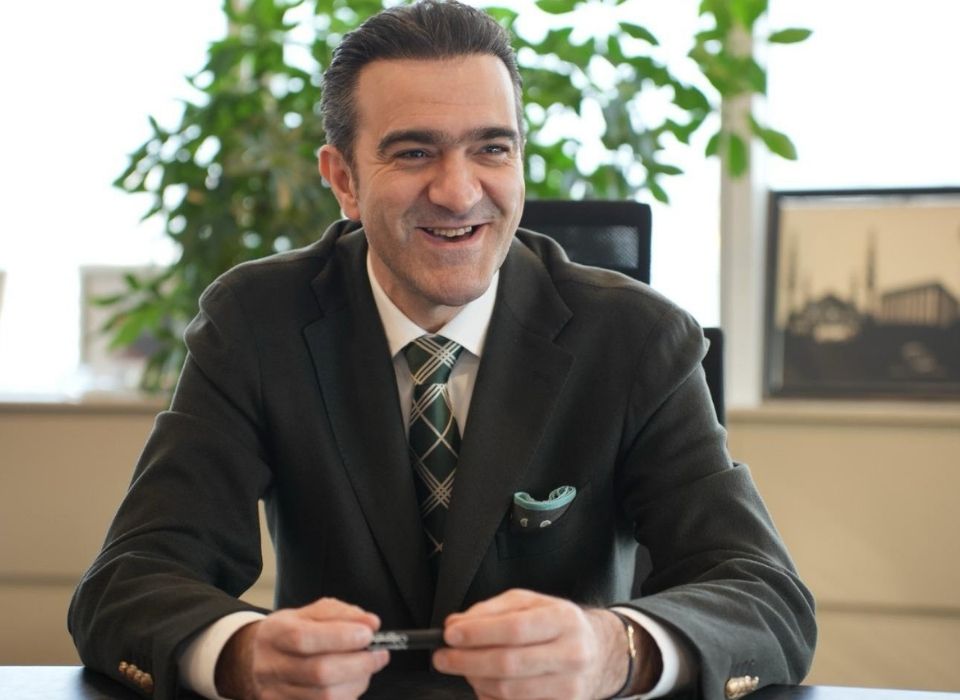
In our interview with Osman Yıldız, Chairman of the Board, we discussed the company's supply chain management, innovative product solutions, digital transformation processes and future goals. While adapting quickly to market dynamics through its local dealer system, Günkem aims to increase its competitiveness in both local and global markets by focusing on issues such as bio-based raw materials and the circular economy.
Günkem, operating for over 40 years in the chemical sector, differentiates itself in paints and construction chemicals through sustainable raw material supply, technical support approach and strategies aligned with global developments.
In our interview with Board Chair Osman Yıldız, we discussed the company's supply chain management, innovative product solutions, digital transformation processes and future objectives. Günkem aims to increase its competitive strength in both local and global markets by rapidly adapting to market dynamics through its local dealer system while focusing on bio-based raw materials and circular economy.
As Günkem, with your over 40 years of experience in the chemical sector, what is your position in paints and construction chemicals? What is your biggest differentiator in the market?
We operate with a highly respected and customer-focused business model as a sustainable raw material and product supplier, and we are particularly sensitive to technical support. We make our customers feel that we are as close as a phone call away.
How do recent changes in raw material supply chains in the global chemical industry affect Günkem's strategies?
Günkem adopts strategies to navigate sharp turns easily thanks to its experience in sourcing from reliable sources with geographic diversity and diversification principles. Through the NGOs it is a member of, it closely monitors global developments and takes quick action.
As Günkem, how do you differentiate yourselves in partnerships with the brands you distribute?
In brand partnerships, we create trust-based collaborations by being transparent and explaining both domestic and international market dynamics to our overseas stakeholders, periodically updating them.
Sustainability and environmental impacts are becoming increasingly important in the paints and construction chemicals sector. Can you share your approach in this area? Is it sustainable or circular?
It is emerging as one of the biggest question marks both globally and in our country. We are working on circular economy, bio-based products and raw materials, product life cycle analysis, product carbon footprint and water footprint as prominent topics, and responsible purchasing. Although we are not manufacturers, preparing a sustainability report is in our plans.
How are you observing changes in demand for construction chemicals in Turkey and global markets? How does Günkem respond to these changes?
The construction chemicals sector is shaped by infrastructure and construction investments, recession and global financial risks. Environmentally-friendly and circular products are also coming to the forefront here, but careful approaches are being taken as performance is prioritized. Alternative raw materials and environmentally-friendly/circular raw materials are being researched and introduced to the market.
What innovative solutions does Günkem offer specifically in product groups such as pigments, fillers and dispersions?
We are working on environmentally-friendly raw materials and innovative solutions that comply with international regulations.
How are digitalization and automation processes in the chemical sector transforming supply chain management? How is Günkem adapting to these processes?
In a global world where digital transformation is taking center stage, we target a transformation that is green, digital and inclusive of society. Within the framework of these developments with our supplier companies, we prioritize green in the price/quality and performance triangle to offer our customers new raw materials and solutions. We use digital solutions at every stage of the supply chain. We are meticulous about CRM.
We know that Günkem works with a "local dealer system". What are the advantages of this system and how does it support your competitiveness in international markets?
Our principle of working with a local dealer system is a system that highlights Günkem by leveraging local resources that know and understand the region and its people. This practice has also significantly developed our habit of working with established companies at export points.
What are the most important trends that will impact the paints and construction chemicals sector in the coming years? How is Günkem preparing for these trends?
A transition is expected from oil-based and environmentally/health-non-priority raw materials to bio-based (biorefinery) raw materials. Synthesis gas and green chemical production from biomass and similar sources using gasification, pyrolysis, carbon dioxide capture and storage and green hydrogen will come to the forefront. Our technical team and senior management are planning new raw material imports based on price/performance evaluation in these areas.
Can you provide information about Günkem's future objectives and new investment plans? Do you have strategies such as new market entries or expanding your product portfolio?
Our feasibility studies on circular and sustainable products and raw materials for the paint sector, construction sector and different sectors continue, as do our efforts towards establishing a performance laboratory and research center.
How do you compare the global industry with the Turkish market? What are your comments?
The Turkish market is highly competitive and has a situation that is changing and developing over time in terms of regulations. Due to global industrial recession and changes in the international economic environment, it is in a very difficult situation. The US-EU trade dispute, China and India's global penetration and new developments under the Trump administration are looming. Unfortunately, all these developments affect Turkey's imports and exports. An independent clustering is needed. Production and exports dependent on 78% imports are not sustainable.
Gallery