How Should the Education Process for Children Be Managed During the Pandemic?
In an interview we conducted with Clinical Psychologist Nuran Günana, we addressed how to manage children's education process during the pandemic period. Günana shared important information about points to be considered while managing this process and shared her views.
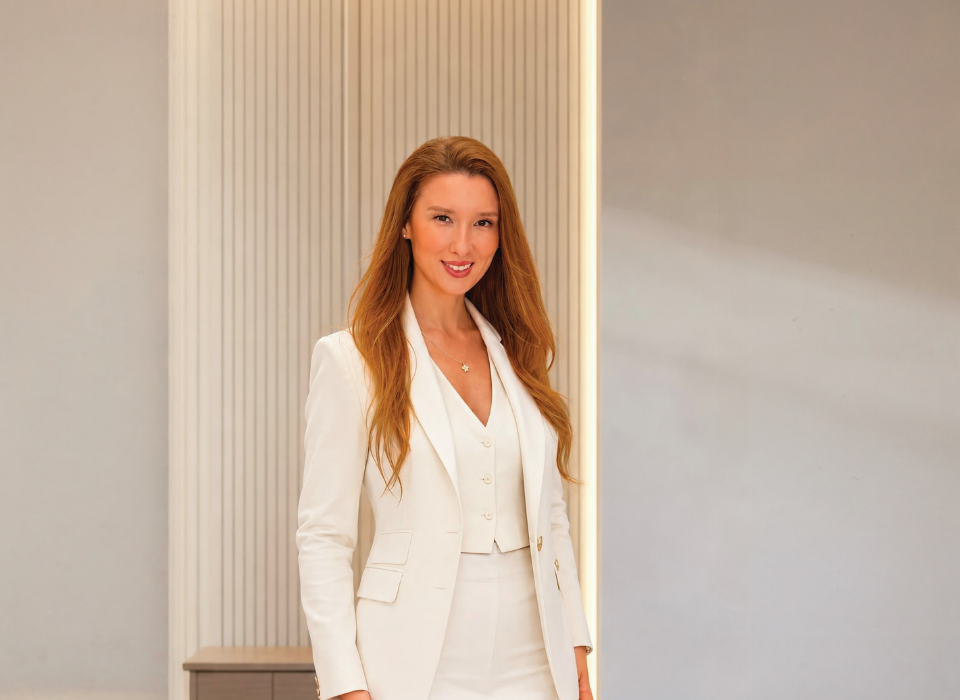
[caption id="attachment_104678" align="aligncenter"] Nuran Günana[/caption]
How is the psychological state of children during the fight against coronavirus defined from a pedagogical perspective?
It is clear that this period has been an unexpected one for all of us. Especially for children, the destructive effects are greater, because they experienced major changes in their lives and had to cope with them. Children's likelihood of feeling anxiety, worry and fear is equal to or greater than what adults feel. This is because children are not as skilled as adults at managing their anxiety and fears. Rather, they learn to cope with their own fears and anxieties by observing how adults deal with these fears and worries. In this case, children will be as anxious as adults are. Moreover, children during this period also experience a fear that something bad might happen to their parents or loved ones. Children's mental and psychological well-being depends on how creatively productive their families are and their ability to find solutions to problems.What attitude and behavior should parents have during this process?
Some children can adapt quickly to changes in their lives, while some children have difficulty adapting to changes. This is due to how families serve as role models for their children during this process and how effectively they cope with stress factors. The well-being and psychological resilience of the family are also important issues. Families need to seek psychological support or conduct various readings on how they can cope with their own stress factors. Hospitals and various healthcare institutions have been providing intensive services on this subject recently. It is important for families to seek help from such institutions regarding the difficulties they experience, both for their own health and for the health of their children."Planning how families can provide the necessary conditions, establishing daily routines, and providing psychological support will make it easier to get through this period."
Children have experienced distance learning since March. What types of special training and pedagogical support work can be done to facilitate their adaptation to this new process?
The rapid entry of coronavirus into our lives required some systemic adjustments. One of these is the new arrangements in the education system. What is important in this regard will again be primarily the support provided by the family. Planning how families can provide the necessary conditions, establishing daily routines, and providing psychological support will make this process easier to get through. Although this situation may seem like a difficult process for some families, it will be important to look at the positive side of things. During this period, creating a regular home program with the child, creating a work environment, motivating them and rewarding them, and creating a supportive environment is an important and helpful step. Being away from the school environment and getting used to a new system can be anxiety-inducing for many children. To manage their anxieties, talking with children about their feelings and thoughts and answering questions on their minds will create a healthy communication space and ease their concerns.What are the advantages and disadvantages that distance learning offers to Generation Z, which is closely related to the digital world?
As everyone knows, distance learning is a process in which instructors and students can communicate synchronously despite being in different locations and where learning takes place. While this has many advantages, it also has disadvantages. For children who cannot be physically present in the school environment to benefit from education in some way and to prevent problems that would arise from an interruption in education, there are many advantages. On the other hand, it carries risks. The school environment is a socialization mechanism where children spend time with their peers and interact. Therefore, distance learning does not provide an environment where children can communicate with peers, socialize, play, and meet psychological needs outside the home. On the other hand, it negatively affects teacher-student interaction. In terms of addressing the negative aspects for children and preventing the development of technology dependency with dangerous consequences, parents have major responsibilities at home. Additionally, during this period, it is beneficial for schools and parents to cooperate regarding the difficulties, concerns, and needs they experience.Schools are expected to reopen after one month of distance learning. How should teachers and parents behave towards children during this transition period?
Generally speaking, children are observed to be willing to go to school. During this process, the support of parents and teachers aimed at protecting children's mental health will be very important. What parents need to do is understand children's anxieties and fears and show them that this is normal. It is beneficial for parents to maintain the order they kept during the pandemic period with distance learning and to provide the same support after schools reopen.What are the common psychological problems children experience during this period?
Each child experiences different levels of difficulty and has different skills in coping with these difficulties. The pandemic period has negatively affected children's mental health. One of the most frequently observed problems in children during this period is anxiety disorder. That is, the symptoms of anxiety disorder are that the child is uneasy, tense, has difficulty concentrating, is easily distracted, becomes easily irritated, and experiences anger problems. The fact that children will return to school after this new distance learning period can also create anxiety and worry. In this regard, it is important that parents do not project their own concerns about sending children to school onto the child. Constantly telling the child to be careful at school and wash their hands regularly can cause different fears and obsessions in children. It can also lead to academic decline. For this reason, attention should be paid to statements and behaviors.The "new world order" that emerged after the pandemic will affect our lives in every way. How will this new world affect pedagogical approaches? Will it bring new interpretations to this field and educational philosophy?
It is certain that all sciences and systems will be affected by the new order after the pandemic. We have already encountered many situations we were not accustomed to. The education system will be one of these. New innovations will be needed in the education system. Educational inequality is one of the negative effects brought by the new order. Another is that the online nature of education can cause problems in bilateral relationships and communication. However, it is certain that it will provide many positive aspects as well. The digital transformation experienced during this period and the changing education and examination system can contribute to the development of children's self-regulation skills. Additionally, it will provide the freedom to access education from anywhere.Advertisement
Ad Space728 × 90