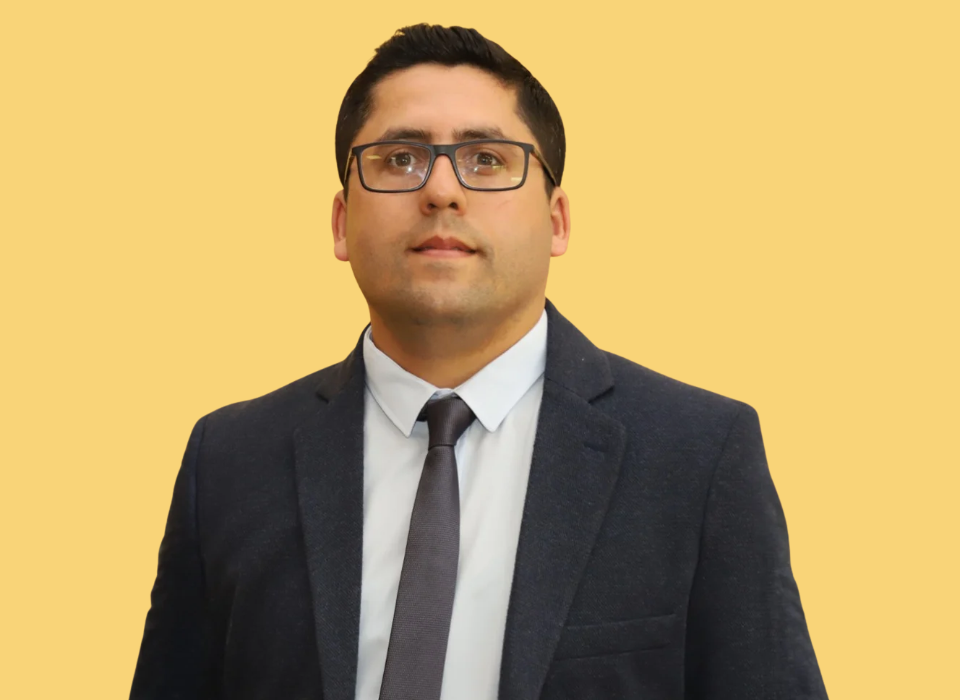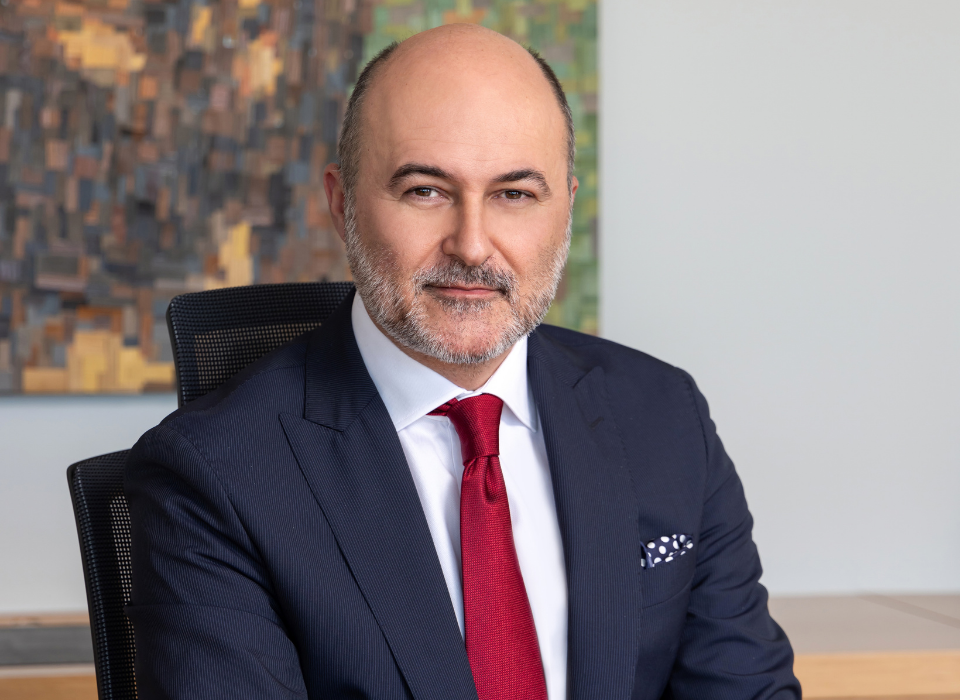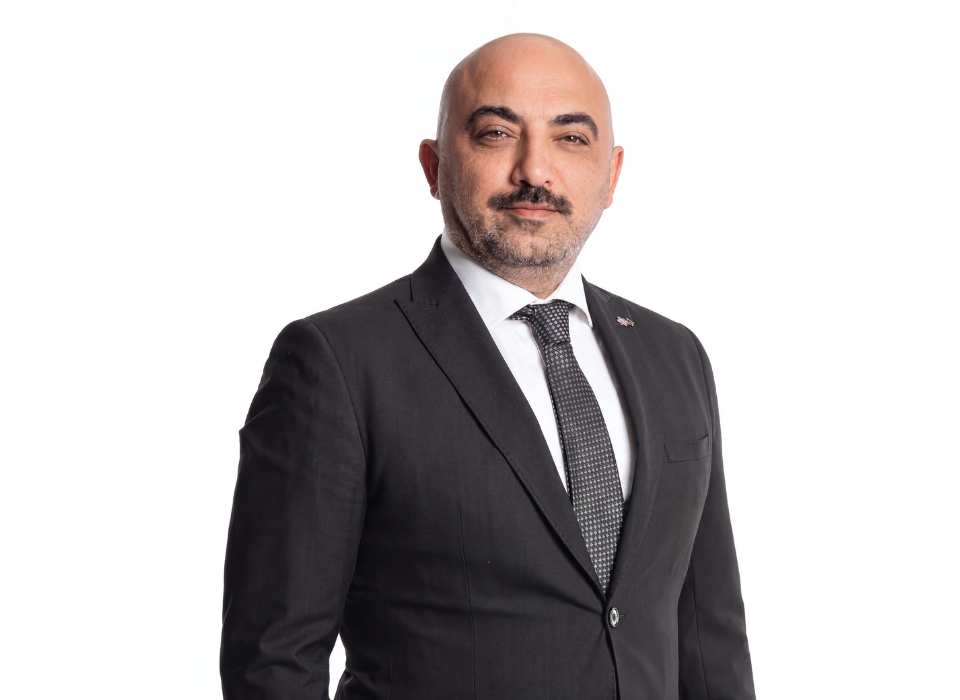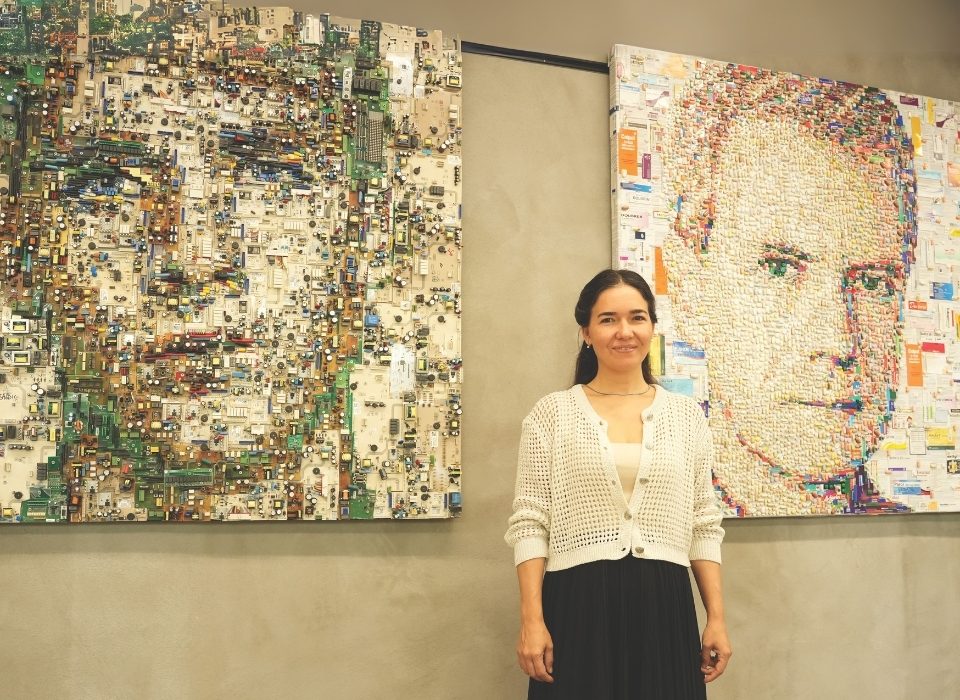
We conducted an engaging interview with Deniz Sağdıç, founder of Sustainable Art House, discussing sustainable art and the future of environmentally conscious creativity.
How did you integrate the concept of sustainable art into your life?
I began working with art in 1999. I am now completing my 25th year in art. The definition of sustainable art is emerging as a new concept. I am one of the first artists to introduce this concept. There are two definitions of sustainable art; one concerns inspiring ideas that are nature-friendly and relates to the sustainability of objects. The second concerns the sustainability of art itself—the existence of art in public spaces, everywhere crowds gather.
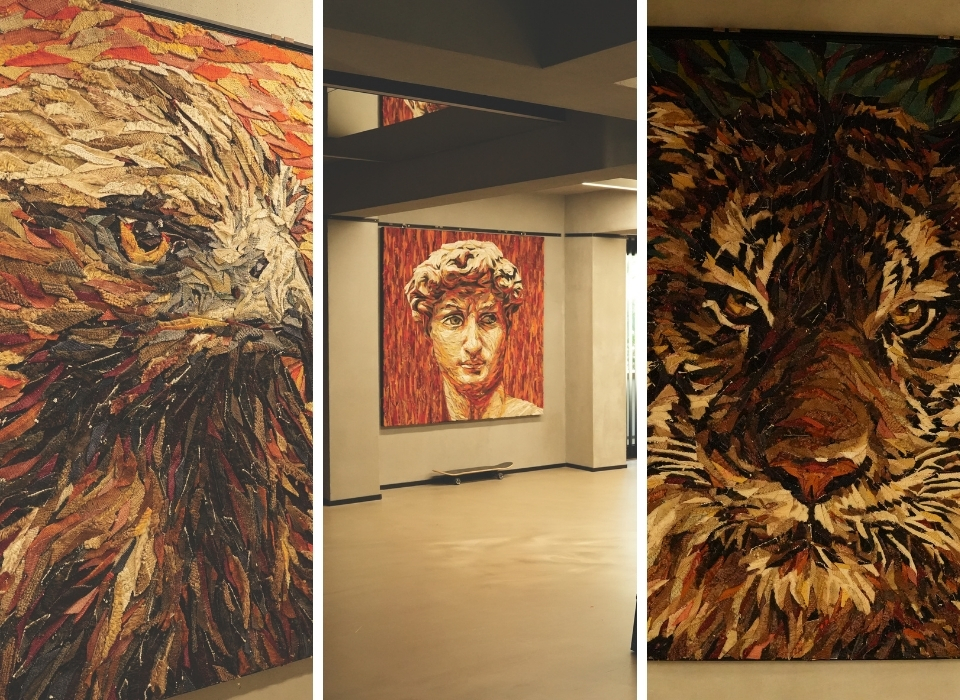
In the 2010s, the rising consumption frenzy and the resulting damage to nature—plastic bag use, waste being scattered around, and producers not showing sufficient care—drew my attention as an artist. I set out with the claim of transforming all kinds of waste objects into artworks. In the 2010s, initially I experimented with transforming items I found in garbage, on roadsides, or unused possessions into artworks. This journey has allowed me to continue my work as the only artist who has successfully transformed more than forty objects into artworks. My story began with correcting myself. When I opened my wardrobe, I saw that I had many clothes I did not wear. I began transforming the clothes in my wardrobe and separated waste objects into artworks. Later, I attempted to create platforms where I could build this awareness through collaborations with brands and institutions.
How did your process of transforming waste at Istanbul Airport into art develop with the Zero Point project?
Before the Zero Point project, I had transformed approximately 10 objects into artworks. When Istanbul Airport first opened in 2019, I saw that the space was an incredible platform. Beyond being an international platform, it possessed remarkable scale. Where there is scale, there would certainly be substantial and diverse waste. Additionally, I learned that it contained a solid waste separation facility. I obtained information that waste left by both passengers and airport employees was being separated. Istanbul Airport then consulted with me for a small project related to sustainability. I conveyed to them that a total of 22 artworks could be created, and that we could accomplish this by selecting 22 types of separated waste.
In my artworks, humans occupy the main focus. Starting from the fact that humans are the living beings who cause all environmental problems and that humans are also capable of finding solutions to them, we thought that we could create awareness by creating human portraits regardless of age, race, nationality, or gender, and we brought this project to life. The fact that objects of everyday consumption are perceived from a distance as oil portraits, and upon close approach we see that these are objects we consume every day, excited and surprised viewers. In this context, we communicated to the entire world how valuable each object is and that if used correctly, it can be transformed into raw material.
In the early stages of your artistic career, you worked with more traditional art forms such as painting and sculpture. How did your transition process from these classical forms to your work with waste materials develop?
First and foremost, Anatolia is a very rich geography. It is a geography with a rich cultural heritage of mosaics, calligraphy, ceramics and porcelain. You can see that art exists everywhere. Unfortunately, in fine arts education in our geography, there is no education that goes beyond viewing art as a means of expression compressed solely into the technique called painting done in oil. I can say that I opposed this. For centuries, art has always existed in the geography of Anatolia, art has always existed throughout human history. Only the methods of self-expression changed technically.
I actually set out drawing from our own traditional story. I attempted to build a new art form by adapting different techniques such as patchwork, mosaic and ceramic to today's understanding of art. My technical approach here concentrated on objects that are waste. Of course, it would hardly be possible to build a new technique without possessing all this art historical knowledge and without learning those techniques. I graduated first in my class from Mersin University Faculty of Fine Arts. I conducted extensive research into art history, art philosophy, the sociology of art, and how art actually originated. The result of this research led me to put forward the definition of sustainable art today.
What are the greatest challenges you face when creating art with waste materials? What method do you follow in the process of transforming a challenging material into an artwork?
When I first encounter a material I have never used before, that is the most challenging material for me initially. This is because I encounter many questions: Does this material need to be glued, cut, screwed or stapled, what should I use for color transitions, are all colors available in this material, what should be my priority in conveying the portrait and expression. By the second time I create an artwork with that material, I already know what I will and will not do.
How do you evaluate the relationship between art and craft through your own career?
All of these projects of mine are actually called Ready Remade. There is a definition called Readymade introduced by conceptual art. When an artist touches any object—for example, when he places a tomato crate on the ground—it is considered an artwork. As an artist who is completely opposed to the structure brought by this concept, I advocate for the Ready Remade concept.
It is not enough for an artist to merely touch something. The artist must spend time with it and integrate with that object. For this, they must speak through their craft. Even if anyone could feel 'I could create this work too,' they should say 'This is crazy work' so that they can feel that art has a different language. Therefore, for me, the craftsmanship aspect is as important as concepts. To make one feel that an artwork is indeed an artwork, it must be worked on, thought about and felt down to its finest detail. That is why in my works, 50 percent is concept, thought and philosophy, and 50 percent is entirely craft, and craft is essential for me.
*You can access the full report on our Youtube channel by scanning the QR code.

Gallery