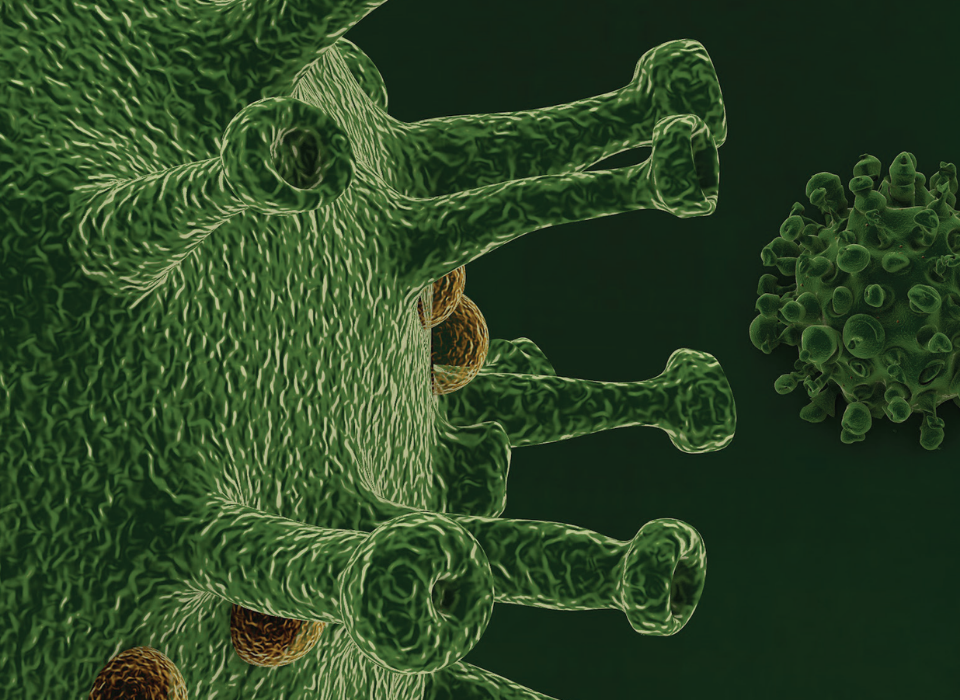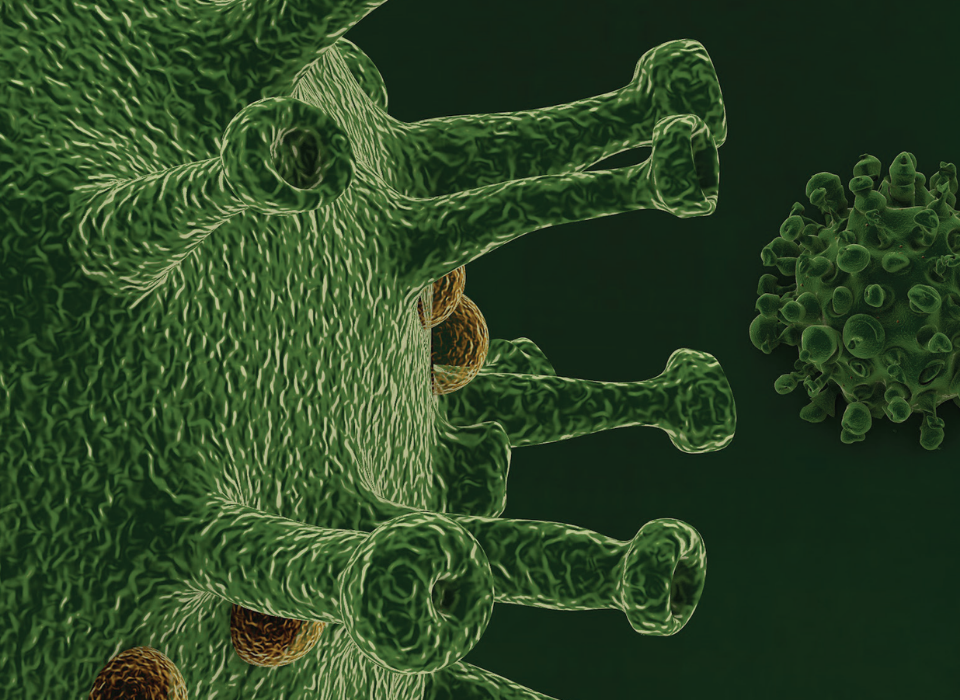
Microbiology is the study of microscopic organisms, including bacteria, viruses, fungi and parasites, and plays an important role in understanding life processes and disease mechanisms and in developing medical interventions. However, working with microorganisms carries inherent risks that require strict biosafety protocols. Biosafety encompasses the principles, technologies and practices applied to prevent unintended exposure to, or accidental release of, pathogens and toxins.
Introduction
Microbiology is the study of microscopic organisms, including bacteria, viruses, fungi and parasites, and plays an important role in understanding life processes, disease mechanisms and developing medical interventions. However, working with microorganisms involves inherent risks requiring strict biosafety protocols. Biosafety encompasses the principles, technologies and practices implemented to prevent unintended exposure to or accidental release of pathogens and toxins.
Fundamentals of Microbiology
The Microbial World
Microorganisms are ubiquitous, living in virtually every environment on Earth, from the deepest ocean trenches to the human intestine. The field of microbiology encompasses several major organism groups:
• Bacteria: Single-celled prokaryotic organisms lacking a nucleus
• Viruses: Cell-free infectious agents requiring host cells for replication
• Fungi: Eukaryotic organisms including yeasts and moulds
• Protozoa: Single-celled eukaryotic organisms
• Algae: Photosynthetic microorganisms
Understanding microbial structure, metabolism, genetics and ecology is necessary for applications ranging from antibiotic development to environmental remediation. For comprehensive information on microbial diversity, the Centers for Disease Control and Prevention (CDC) provides extensive resources:
Pathogenic Microorganisms
While most microorganisms are harmless or beneficial, pathogenic microbes cause infectious diseases in humans, animals and plants. Pathogens are classified into risk groups based on factors including:
• Pathogenicity and virulence
• Mode of transmission
• Availability of preventive measures and treatments
• Individual and community risk
The World Health Organization (WHO) website contains updated information on infectious diseases and pathogens.
Biosafety Principles and Practices
Biosafety Levels
Biosafety levels (BSL) are a series of protections established for laboratory work with infectious agents. There are four biosafety levels; BSL-1 is the lowest level of isolation, while BSL-4 is the highest:
BSL-1: Suitable for work with well-characterized agents not known to cause disease in healthy adults. Standard microbiological practices apply and no special isolation equipment is required.
BSL-2: Suitable for moderate-risk agents causing human disease of varying severity. Limited access, biological safety cabinets for aerosol-generating procedures and personal protective equipment (PPE) are required.
BSL-3: Required for indigenous or exotic agents with potential for aerosol transmission and capable of causing serious or fatal disease. Includes controlled access, special ventilation and comprehensive PPE.
BSL-4: Reserved for dangerous and exotic agents with high risk of life-threatening disease with no available vaccine or treatment. Requires maximum isolation with positive-pressure suits and special building systems.
Detailed biosafety level requirements are outlined in the CDC/NIH publication "Biosafety in Microbiological and Biomedical Laboratories" (BMBL).
Risk Assessment and Management
Effective biosafety programmes begin with comprehensive risk assessment evaluating hazards associated with specific microorganisms, procedures and laboratory environments. Risk management strategies include:
• Engineering controls: Biological safety cabinets, HEPA filtration, directed airflow
• Administrative controls: Standard operating procedures, training programmes, access restrictions
• Personal protective equipment: Gloves, laboratory coats, face shields, respiratory devices
• Safe work practices: Proper handling techniques, waste disposal, decontamination procedures
Global Biosafety and Future Challenges International Biosafety Frameworks
Biosafety is a global concern requiring international cooperation and standardization. Several organizations provide guidance and oversight:
World Health Organization (WHO): Publishes the Laboratory Biosafety Manual providing international biosafety standards.
European Committee for Standardization (CEN): Develops European biosafety standards and laboratory practices.
American Biological Safety Association (ABSA): Promotes biosafety education and professional development.
Emerging Challenges
The biosafety field faces evolving challenges in the 21st century:
Newly Emerging Infectious Diseases: New pathogens such as SARS-CoV-2 demonstrate the need for adaptable biosafety protocols and rapid response capabilities.
Synthetic Biology and Dual-Use Research: Advances in genetic engineering heighten biosafety concerns, requiring oversight of research with potential for misuse.
Global Laboratory Capacity: Expanding laboratory infrastructure in resource-limited settings requires biosafety training and sustainable safety programmes.
Climate Change: Changing disease patterns and expanding vector ranges require updated risk assessments and isolation strategies.
Microbiology and Biosafety in Turkey
Turkey, with its strategic geographic location and developing health infrastructure, has made significant advances in the field of microbiology and biosafety. Biosafety regulations in the country are coordinated by the Ministry of Health and Ministry of Agriculture and Forestry, with laboratory safety standards being aligned with international norms.
National Biosafety Infrastructure
Laboratories within the Public Health Institution of Turkey (THSK) and the Scientific and Technological Research Council of Turkey (TÜBİTAK) form the foundation of the country's biosafety capacity. During the COVID-19 pandemic, Turkey's laboratory network expanded significantly and the number of BSL-2 and BSL-3 laboratories increased. Reference laboratories located in major cities such as Ankara, Istanbul and Izmir have capacity to work with high-risk pathogens. Universities and research institutes conduct important work in microbiology. Institutions such as Hacettepe University, Istanbul University, Ankara University and Ege University are at the forefront in both basic and applied microbiology. These institutions contribute to the training of qualified personnel by offering biosafety education and certification programmes.
Legal Framework and Regulations
Biosafety in Turkey is controlled through various legal regulations. The "Regulation on Prevention of Risks from Exposure to Biological Agents" (2013) establishes basic requirements for protecting laboratory workers. Additionally, the "Regulation on Genetically Modified Organisms and Products" regulates safety standards in biotechnology research. The Ministry of Health's "Medical Laboratories Regulation" defines quality and safety criteria for clinical microbiology laboratories.
Challenges and Future Perspective
Major challenges facing Turkey in the biosafety field include the need to expand continuous training programmes, increase investment in modern equipment and infrastructure, and ensure standardization among regional laboratories. Strengthening biosafety capacity in health facilities in rural areas is particularly important.
Conclusion
Microbiology and biosafety are inextricably linked disciplines necessary for advancing scientific knowledge while protecting human health and the environment. As the scope and complexity of microbiological research continues to expand, robust biosafety practices become increasingly critical.
Sources
• Centers for Disease Control and Prevention (CDC): https://www.cdc.gov/
• World Health Organization (WHO): https://www.who.int/
• National Institutes of Health (NIH): https://www.nih.gov/
• American Biological Safety Association: https://absa.org/
• European Biosafety Association: https://www.ebsaweb.eu/
• Public Health Institution of Turkey: https://hsgm.saglik.gov.tr/
• Ministry of Health of Turkey: https://www.saglik.gov.tr/
Gallery