"MS TREATMENT IS LIKE TANGO"
Prof. Dr. Hüsnü Efendi, Head of the MS Working Group at the Turkish Neurology Association and Faculty Member at Kocaeli University School of Medicine Department of Neurology, compared MS treatment to tango, saying: "In tango, dance occurs between two people. MS treatment is like this too; continuing this treatment will be something that happens with mutual consent of both parties."
World Multiple Sclerosis (MS) Day is brought to the agenda each year on the last Wednesday of May by the International MS Federation and the World Health Organization through various events.
Within the scope of World MS Day, launched in 2009 to raise awareness about MS disease, a press conference was held in Istanbul on 30 May with the slogan "MS Inside Out".
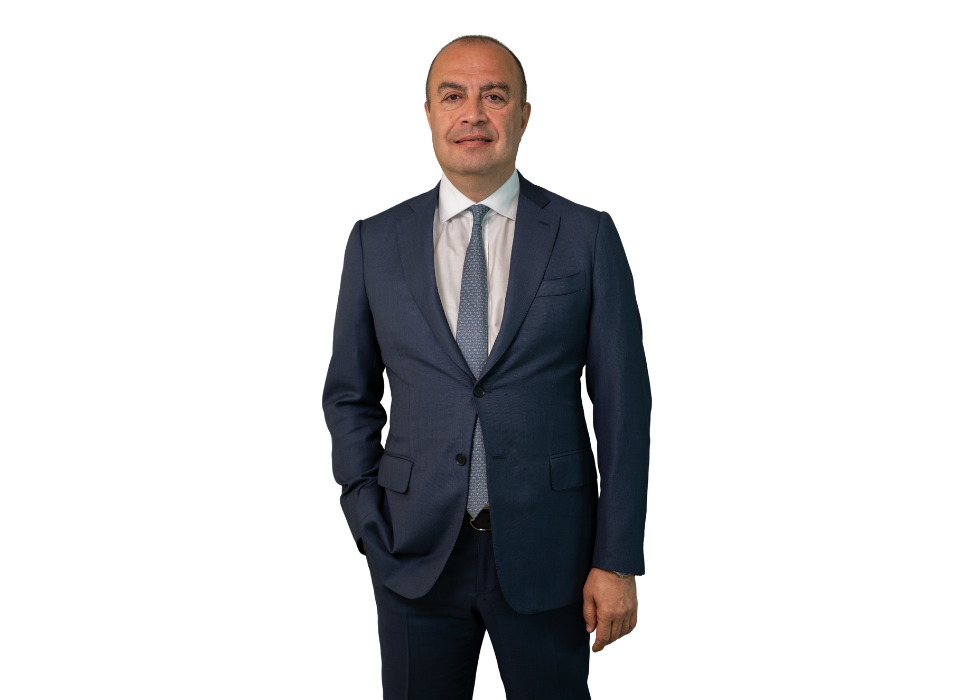
The meeting, moderated by experienced Health Editor Ceyda Erenoğlu, was attended as speakers by Prof. Dr. Hüsnü Efendi, Head of the MS Working Group at the Turkish Neurology Association and Faculty Member at Kocaeli University School of Medicine Department of Neurology, and Şehram Zayer, General Manager of Merck Turkey.
MS patients can continue their normal lives
At the meeting held with the contributions of Merck, which pioneered innovative treatments in the MS field, it was noted that recent years have seen significant developments in MS treatment, and MS patients can now continue their normal lives with new treatment methods and medications.
It was also stated that MS is no longer a hopeless disease and that with developments in medicine, it will be possible to control the disease much better in the future.
Major advances in the past 10 years
Prof. Dr. Hüsnü Efendi, Head of the MS Working Group at the Turkish Neurology Association and Faculty Member at Kocaeli University School of Medicine Department of Neurology, noted that in the 1990s there was no special treatment for MS and only acute attacks could be treated, saying: "There have been staggering developments in the MS field over the past 10 years. We are achieving much better results from treatment."
MS treatment is like tango
Emphasizing the importance of treatment adherence, Prof. Dr. Hüsnü Efendi said: "When we decide on treatment, we also involve the patient in the process. That is, we do not tell the patient to take this medication and use it. Because this is not a one-week antibiotic treatment.
We sit down with the patient, explain how long it will take, that it is a long-term disease, and that the patient must be involved in the treatment process. We involve the patient in the decision-making phase, and in follow-ups, regular monitoring of the patient is necessary.
I compare MS treatment to doing tango. In tango, dance occurs between two people. But in tango it is the man who leads the dance, in treatment it is the doctor who actually directs this process, but in tango, if the other partner—the woman—does not want to dance, the dance ends. The dance ends when one of the two people stops dancing.
MS treatment is like this too; continuing this treatment will be something that happens with mutual consent of both parties. For this reason, very good cooperation is needed. The patient should not leave treatment management entirely to the doctor. The patient should also be at the steering wheel in treatment management. The patient must be aware of the importance of this matter," he said.
Turkey is a country with moderate MS prevalence
Prof. Dr. Hüsnü Efendi, discussing various treatment options currently available for MS treatment, underscored developments in MS management including improved innovative medications, drug delivery devices, enhanced patient programs, and support services.
Vitamin D deficiency plays a role
Prof. Dr. Hüsnü Efendi noted that Turkey is a country with moderate MS prevalence and stated that the disease is most common in Northern countries.
Pointing out that MS is not a genetic disease but that genetic predisposition and environmental factors play a role, Prof. Dr. Efendi emphasized that vitamin D deficiency is a factor in the emergence of MS.
Smoking adversely affects disease course
Emphasizing that disease course is worse in MS patients who smoke, Prof. Dr. Hüsnü Efendi recommended to patients that they should not smoke, continue physical activities, and pay attention to their diet.
Pointing to the importance of vitamin D supplementation, Prof. Dr. Efendi said: "One should take a 15-minute sun bath every day and benefit from the sun. If necessary, supplements should be taken.
A Mediterranean diet should be followed. Fish, seafood, salads, vegetables, and fruits should be consumed. Heat is not beneficial. We do not recommend hot environments such as hot springs and saunas," he said.
Myths about MS
Stating that MS is not a psychiatric disease, Prof. Dr. Hüsnü Efendi said: "MS is not a contagious disease. MS is not a genetic disease. People with MS can have children. If either parent has MS, the probability of it appearing in the child is 1 to 1.5%."
Recommending to MS patients "Do not put the disease at the center of everything," Prof. Dr. Hüsnü Efendi stressed the importance of continuing their normal lives.
Alternative methods are ineffective
Discussing the harms of alternative methods used outside of medication, Prof. Dr. Hüsnü Efendi said: "Some patients stop their standard treatments and turn to alternative treatments. Of course, the disease is then negatively affected.
When some herbal-based alternative substances are used along with medication, some toxic effects appear in the liver. Ancillary treatment options can cause damage that the drug does not. Third, they do nothing," he warned.
MS is not such a hopeless disease
Pointing out that MS is a chronic and treatable disease and stressing the importance of continuity in treatment, Prof. Dr. Hüsnü Efendi said: "MS is not such a hopeless disease anymore. With appropriate treatment, people can live a near-normal life with this disease and continue their lives."
The fighting spirit of MS patients is important
Stating that the fighting spirit of MS patients provides strength for innovative treatments, Prof. Dr. Hüsnü Efendi emphasized that it is a source of motivation for patient support programs and spoke as follows:
"The most promising development in the MS field is that research and development efforts have dramatically increased over the past 10 years.
MS treatment methods, particularly with increasing severity of the disease and response criteria to existing treatments, have shown very rapid development in recent years with the development of new diagnostic, treatment, and follow-up criteria.
This is very exciting because before 1993 there were no approved treatments for MS; but today, we have many different treatment alternatives targeting specific indications."
Şehram Zayer: "There are 40,000 to 50,000 MS patients in Turkey"
Merck, which is celebrating its 350th anniversary this year, has continued to be a pioneering company in providing basic treatments for MS to patients over the past 20 years, said Merck Turkey General Manager Şehram Zayer, expressing that they are pleased to be a company that offers patient-focused and innovative treatments.
Zayer expressed that being a technology and science company that is a source of healing for patients gives them great joy.
Zayer said: "Turkey has almost all innovative treatments in the MS field. Merck is currently among the leading players in the MS field in Turkey, and our preparations continue regarding making our new products in this field available for use by patients and physicians in our country.
We will continue to stand beside individuals with MS with our strengthened product portfolio in the future.
We are determined to continue our efforts to provide MS patients both in our country and around the world and the highly valued Turkish physicians treating them with the treatments they need," he said.
About Multiple Sclerosis (MS)
Multiple sclerosis (MS) is a chronic, autoimmune, inflammatory neurological disease of the central nervous system (CNS). In MS, myelinated axons in the central nervous system are damaged to varying degrees.
The progression of MS is quite variable and unpredictable; it differs in each patient. While some patients can continue their lives normally or near-normally, some patients may develop disability.
In periods when there were no treatments for MS, patients needed support for walking within an average of 15 years after the onset of the disease.
After treatments for MS reached patients, significant changes occurred in this situation; a significant portion of patients were able to continue their lives without serious disability.
MS affects women twice as much as men, and people of Northern European descent are seen to carry greater risk for MS.
Diagnosis of the disease is made based on clinical findings together with supporting evidence obtained from additional tests such as magnetic resonance imaging (MRI) of the brain and examination of cerebrospinal fluid.
MS generally occurs in adults aged 20 to 40 years; sometimes it also appears in childhood and late middle age.
The cause of MS is unknown, but environmental factors, immunological factors, and genetic factors are thought to play a role.
About the Turkish Neurology Association
The Turkish Neurology Association (TND) is a public benefit association established in 1992 of which the vast majority of neurology specialists and residents in Turkey are members.
The purpose of TND is to develop and support research and studies related to neurology and sciences working together with neurology in our country, and to ensure that Turkish neurology is represented at the highest level nationally and internationally. Another aim is to organize congresses, conferences, seminars, and educational courses to provide knowledge exchange among members and education for neurologists. Establishing relations with national and international relevant associations and exchanging information are also among the purposes of TND.
The Multiple Sclerosis Working Group is a group under the TND umbrella in which neurologists working in multiple fields and other related persons participate.
Among its core duties are evaluating current developments in the MS field, preparing treatment algorithms and guidelines to be shared with all relevant physicians, organizing national and regional educational meetings, and providing information to competent official institutions regarding legal regulations related to MS treatment.
About Merck
Merck is one of the leading science and technology companies in the fields of healthcare, life sciences, and performance materials.
With 50,000 employees to improve and enhance quality of life, it carries out work to develop many technologies ranging from biopharmaceutical therapies that can be used in the fight against cancer and MS, to cutting-edge systems that can be utilized in scientific research and manufacturing, to liquid crystals in smartphones and LCD televisions. In 2017, Merck achieved sales of EUR 15.3 billion across 66 countries.
Merck, the world's oldest pharmaceutical and chemical company founded in 1668, is still largely owned by the family that founded it, with most of its publicly listed shares currently held by that family.
The Merck name and brand global rights belong to the Merck group of companies. The only exceptions are the United States and Canada, where the group conducts its operations under the names EMD Serono, MilliporeSigma, and EMD Performance Materials.